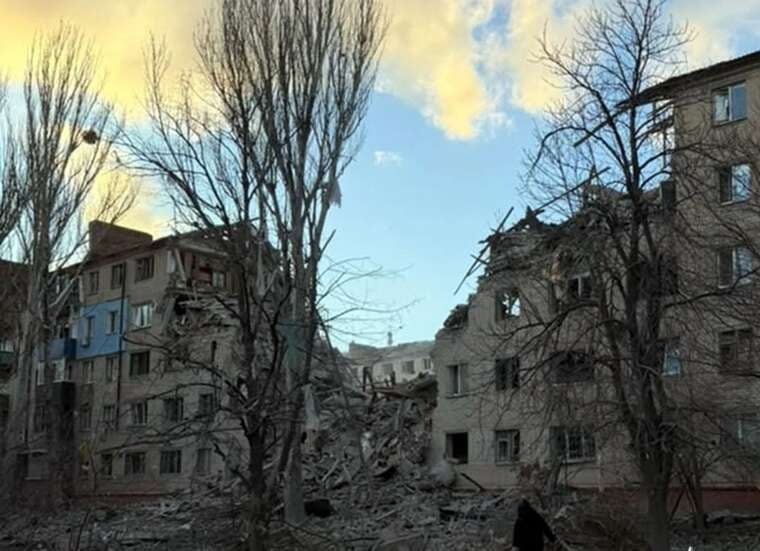
Two killed, three injured in Russian air strike on Sloviansk
Russian occupiers used a FAB-500 aerial bomb against a residential area in Sloviansk, resulting in the deaths of two residents and injuries to three others.
Russian occupiers used a FAB-500 aerial bomb against a residential area in Sloviansk, resulting in the deaths of two residents and injuries to three others.
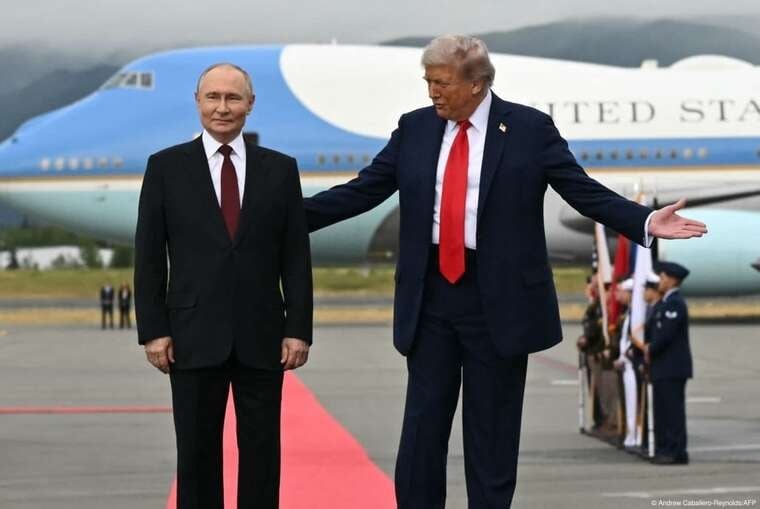
US National Intelligence Director Jay Clayton backed Donald Trump after the publication of a photo with Vladimir Putin, calling the trilateral summit a key achievement in nuclear security.
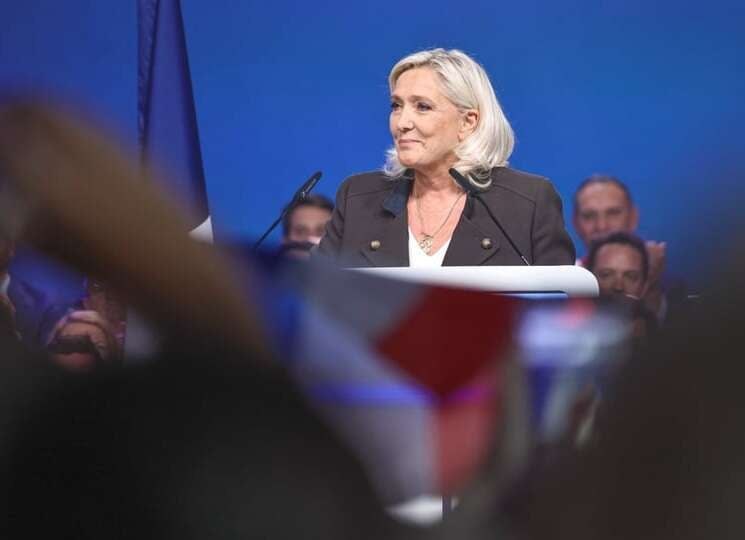
French presidential candidate Marine Le Pen confirmed to the Ukrainian ambassador that financial support for Ukraine would be halted due to budget constraints if she wins the election.
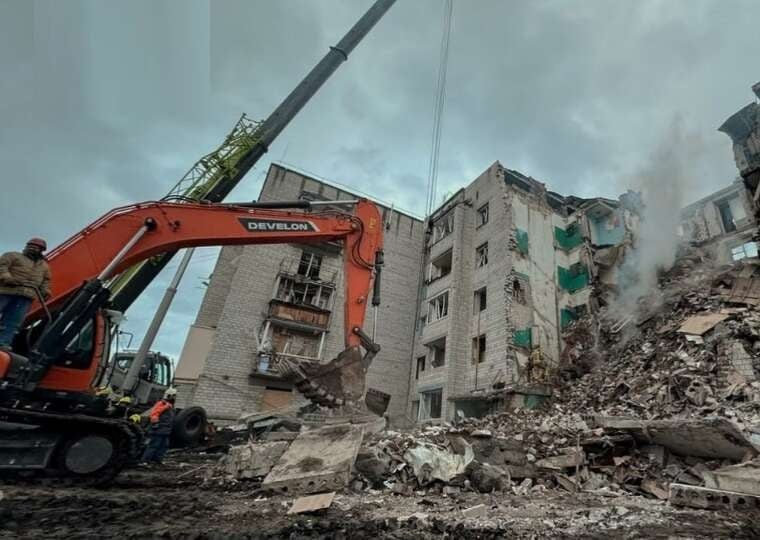
Ukrainian President reported on prolonged rescue operations in Kyiv Oblast following a suicide drone strike on a residential building, and noted the consequences of attacks in Vyshneve and Bilotserkivskyi district.
A jet-powered drone hit a railway station in Kharkiv Oblast, the building is fully engulfed in flames, and there are casualties.
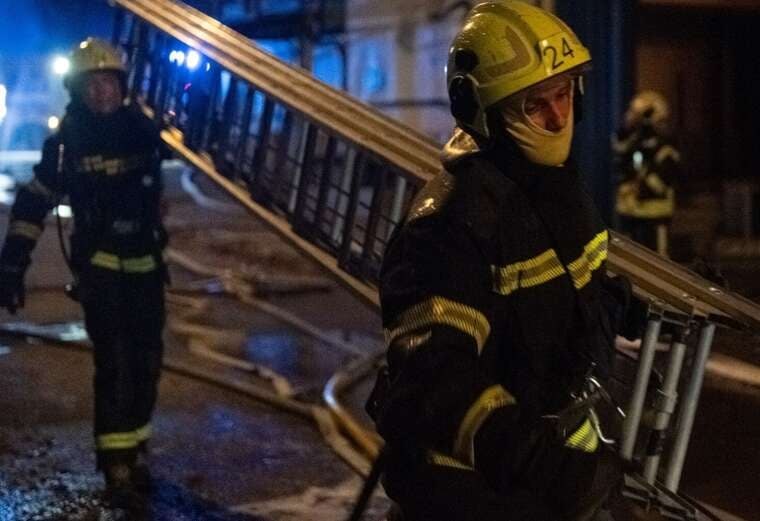
Interior Minister Ihor Vyhivskyi announced the rescue of a child following a strike on a residential building in Kyiv Oblast. The boy spent nearly 14 hours under the debris.
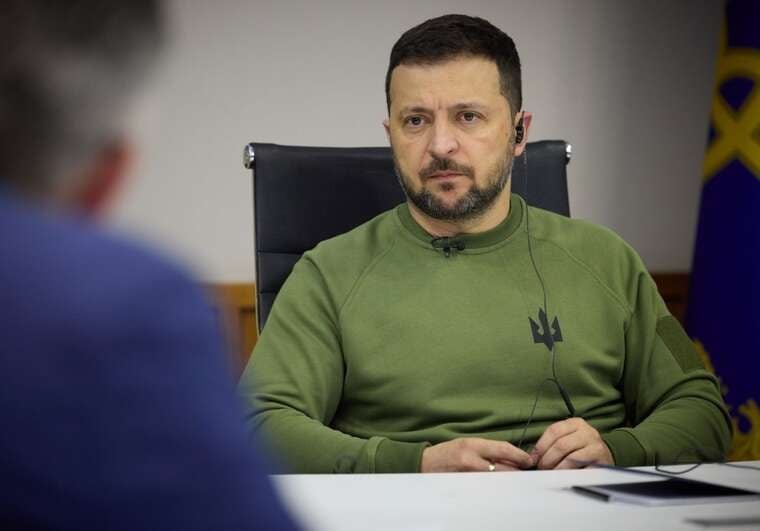
President stated that next week must be productive for state support and will boost the country's European integration.

Kateryna Kobernyk warns that the erosion of public trust in institutions of power is a desired outcome for Russia, which is actively working to achieve this goal.
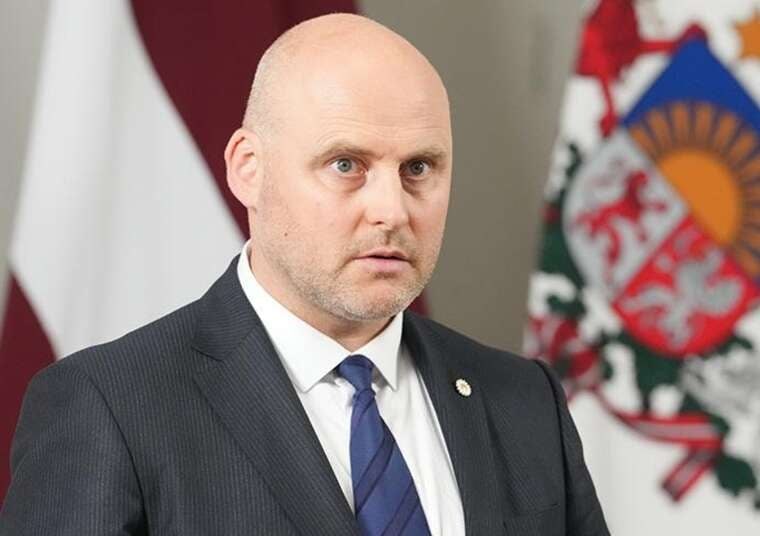
Latvian Prime Minister Andris Kulbergs categorically rejected the idea of returning to normal relations with Russia, even in the event of a cessation of hostilities against Ukraine. He outlined this position in an interview with the German newspaper Welt.
“Some believe that after a ceasefire, it will be possible to return to normal relations with Russia. This is impossible. A new era has arrived,” explained the head of the Latvian government.
Kulbergs drew attention to the complexity of the situation regarding the verification of hundreds of thousands of Russian citizens who have already obtained Schengen visas. According to him, this is practically impossible to achieve. Therefore, the Prime Minister emphasised the need for European Union countries to demonstrate unity in supporting Ukraine and to increase defence spending.
After Kulbergs came to power in May 2026, he announced his intention to sever trade relations with Russia. He characterised these ties as “an unnecessary dependency that only worsens the situation” and instructed the then-Minister of Foreign Affairs to develop a mechanism for their termination.
Subsequently, the Latvian authorities developed a draft resolution providing for a ban on the transit of Russian grain through the country’s territory.
On 29 June, the Prime Minister noted that it is still too early for Europe to begin negotiations with Moscow. He called for continued pressure on the Kremlin, expressing doubts about the possibility of concluding a peace agreement with Russia. Instead, Kulbergs proposed focusing efforts on strengthening the EU’s eastern borders.
“First and foremost, we must trust ourselves. We must demonstrate strength,” the Prime Minister emphasised.
Earlier, in September 2026, Latvian President Edgars Rinkevics stated that the country is ready to host nuclear weapons on its territory if such a decision is made at the NATO level.
Comments
No comments yet. Be the first!