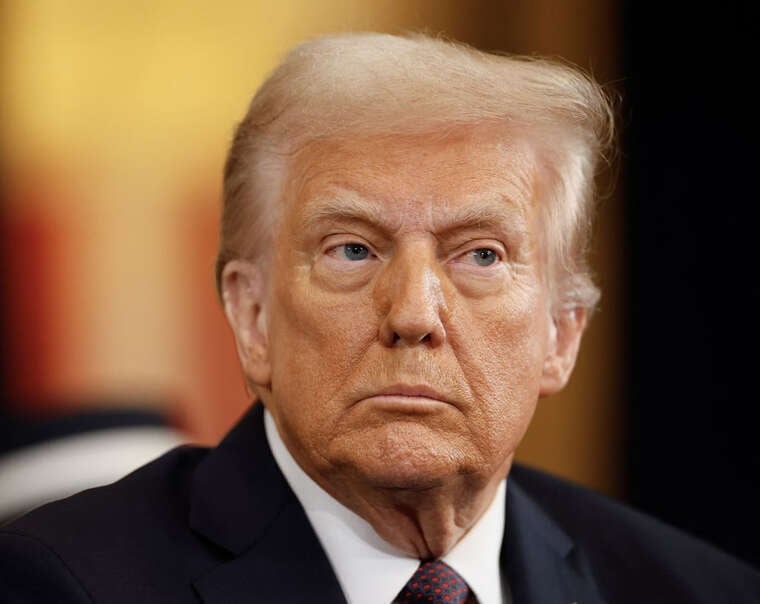
Washington allows import of Russian diesel fuel until 7 April
The US Department of the Treasury announced a temporary easing of the sanctions regime regarding the supply of Russian diesel fuel.
The US Department of the Treasury announced a temporary easing of the sanctions regime regarding the supply of Russian diesel fuel.
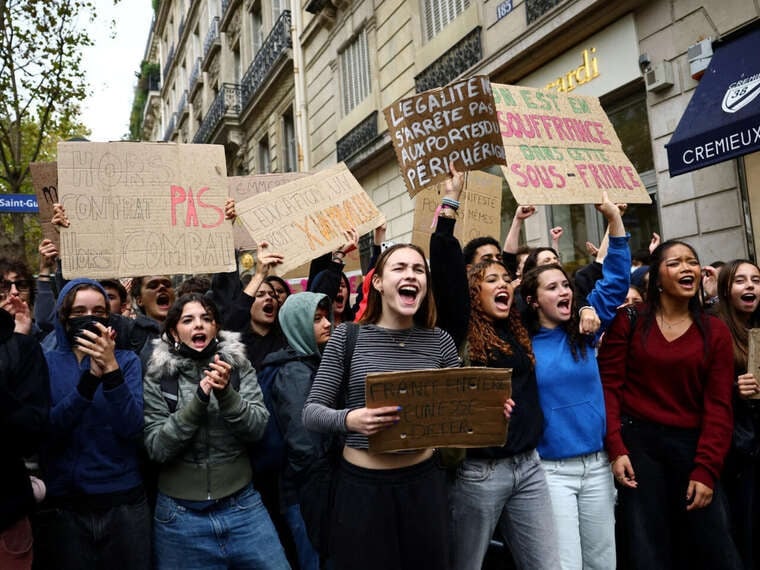
In Brussels, a schoolchildren's demonstration escalated into violent clashes with police, while the action in Vienna passed peacefully. Participants protested against cuts in the education sector.
The bank has announced repeat auctions on the Prozorro.Prodazhi platform for non-performing assets, including debts of ESU LLC and VTORMET JSC.
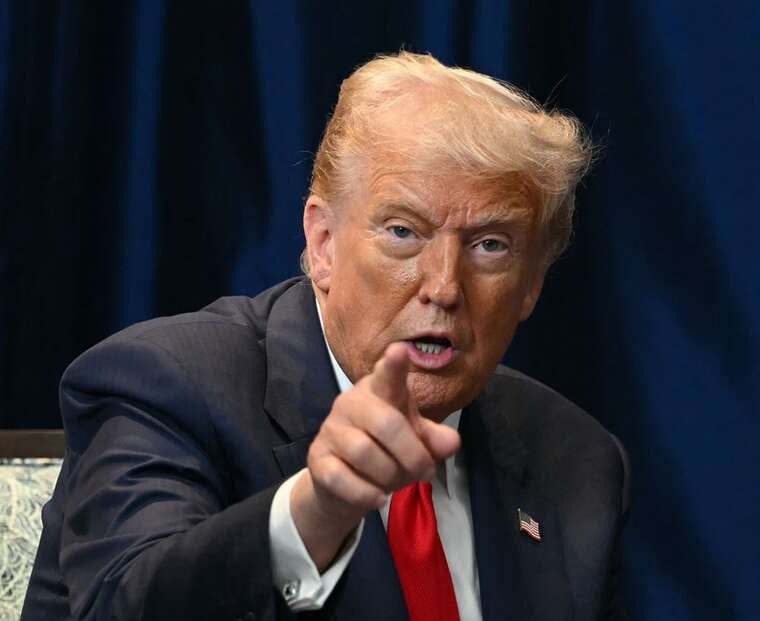
The US Department of the Treasury has introduced a temporary authorisation, lifting restrictions on the sale of Russian diesel fuel in international markets.
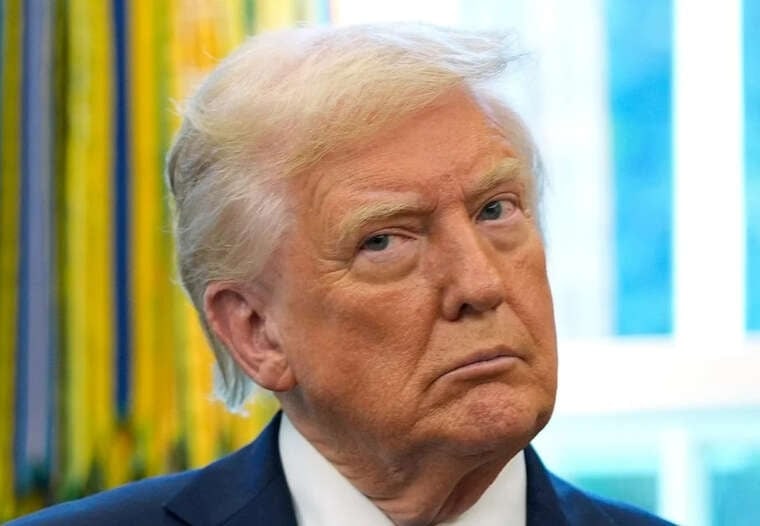
US President announced an agreement with the Russian leader on immediate fuel supplies, which he believes will lower market prices.

Since the beginning of the year, more than 20 resources involved in cyberbullying minors have been removed from the internet in Ukraine. Law enforcement agencies are conducting an investigation and searching for the administrators of these communities.
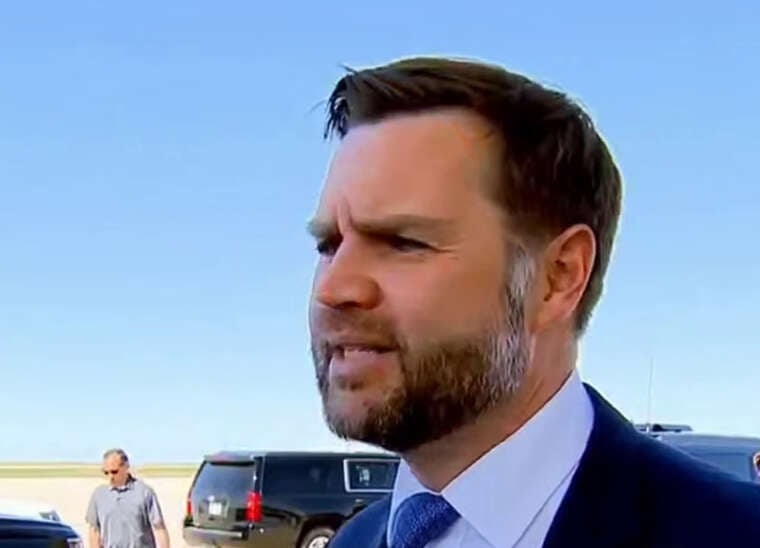
US Vice President JD Vance stated that he does not know whether Nidal Hassan's execution will be shown live, as previously suggested by Pete Hegseth.
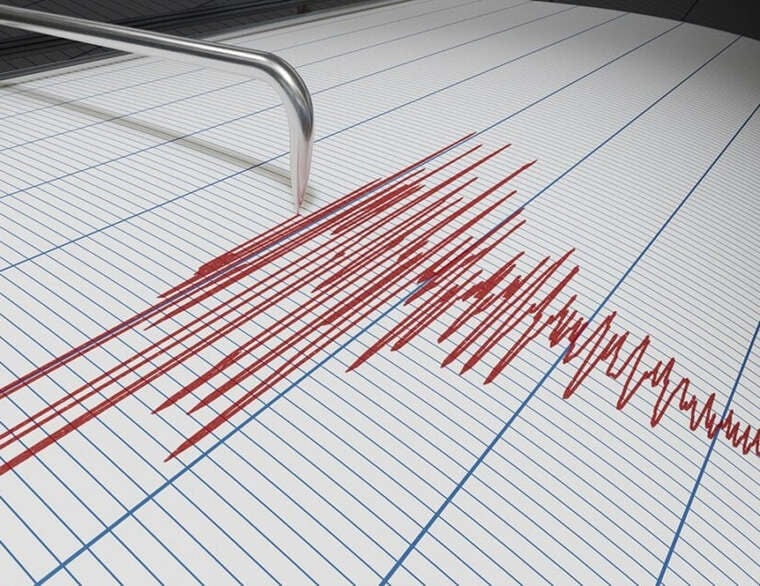
A powerful magnitude 7.6 earthquake struck near the coast of Panama. It is currently unknown if there are any casualties or damage, while the tsunami threat assessment is ongoing.
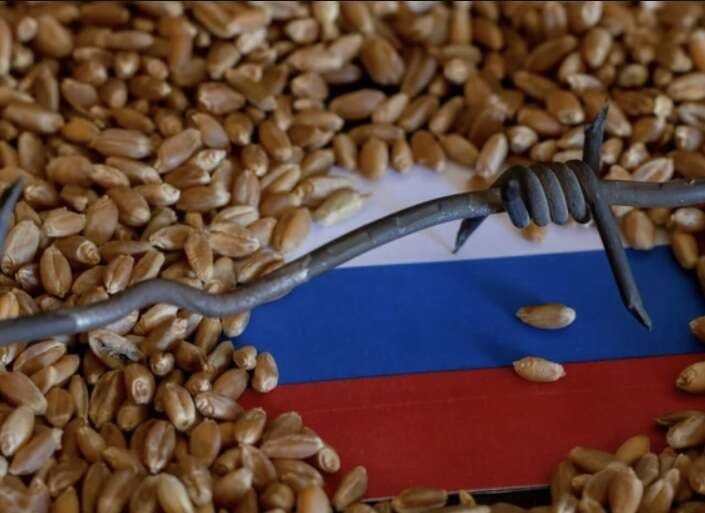
Lithuanian Prime Minister Mindaugas Sinkevičius announced the intention to present a proposal to the European Union to ban the transit of Russian grain through the bloc's territory. At the same time, he plans to introduce sanctions against specific Russian agricultural oligarchs who support the war in Ukraine.
«РФ використовує європейські порти та інфраструктуру, зокрема країн Балтії, для експорту свого зерна» (The Russian Federation uses European ports and infrastructure, including those of the Baltic states, to export its grain), Sinkevičius wrote. According to him, this situation is unacceptable, so Lithuania will insist on establishing a transit ban and introducing restrictive measures against specific Russian agri-oligarchs.
Currently, the EU does not ban international trade in Russian agricultural and food products, including grain, with third countries. Although the bloc introduced tariffs on grain products from Russia and Belarus in 2024, these measures failed to completely stop their transit through the EU to third countries.
Sinkevičius emphasised that Moscow continues to use EU infrastructure while intensifying attacks on Ukraine — particularly on its ports and grain ships — and exports grain that was likely taken from occupied Ukrainian territories.
«Ми не дозволимо російській військовій машині отримувати прибутки, використовуючи нашу інфраструктуру як шлях до світових ринків» (We will not allow the Russian war machine to make profits by using our infrastructure as a route to world markets), he said.
Lithuania has already strengthened inspections of grain transported in transit through the country from Russia and Belarus. Since the beginning of September, the State Food and Veterinary Service has taken five samples from two batches of grain of unknown origin; these samples were sent for analysis to foreign laboratories.
Sinkevičius noted that the transit of Russian grain is a common problem for the Baltic states, and Lithuania and Latvia adhere to similar positions. Estonia banned the transit of grain of Russian and Belarusian origin through its territory from 1 October. Latvia also called for closer cooperation between the Baltic states on border control and inspections of Russian grain batches.
This issue has become particularly relevant after Russian grain began to appear in the transport flows of the Baltic states. Lithuanian officials stated that the country's infrastructure should not be used to facilitate the export of Russian grain.
Comments
No comments yet. Be the first!