Preliminary results: No force has control
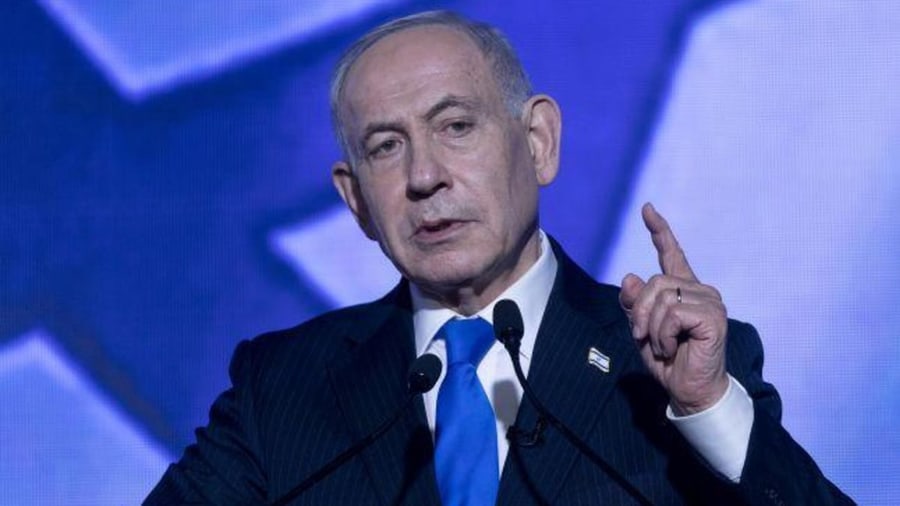
Following the 27 October vote in Israel, counting is ongoing and has yet to yield a clear winner. None of the key political camps has reached the threshold required for a majority. Although Benjamin Netanyahu's Likud party retains its position as the largest force, it lacks the mandates to form a government independently. The further political situation will be determined by the final figures and the course of negotiations between factions.
According to The Times of Israel, as of 85.6% of ballots being processed, Netanyahu's bloc was claiming 53 seats in the Knesset. His main opponent, Gadi Eisenkot, had 48 mandates, while Arab parties received 19. To secure a majority in the 120-seat parliament, at least 61 votes are required, so the current balance of power remains uncertain.
Factors of uncertainty and the role of the president
Leading the count does not guarantee Netanyahu a return to the post of prime minister. The current arithmetic forces politicians to seek support outside traditional alliances. A significant factor remains the ballots in "double envelopes," particularly the votes of military personnel, which are processed later. Therefore, public indicators cannot be considered final.
After the official establishment of the results, Israeli President Isaac Herzog will play a decisive role. He will decide whom to task with forming the cabinet of ministers. Until this procedure is completed, Benjamin Netanyahu continues to head the transitional government.
Possible scenarios and impact on Ukraine
In its analysis, RBC-Ukraine considers four main variants for the further development of events: holding repeat elections, involving opposition deputies in the coalition, creating a government of national unity, or taking parliamentary measures to limit Netanyahu's ability to return to office. These variants are analytical forecasts, not adopted decisions.
The risk of escalating the conflict with Iran is noted separately. Such a scenario could intensify competition for air defence systems and contribute to rising oil prices. For Ukraine, this carries dual consequences: complications in defence supplies and a potential increase in Russia's oil revenues. At the same time, the voting results themselves do not indicate the inevitability of a new war.
Dynamics of vote counting
The main question now is whether Israeli political forces will be able to agree on a workable majority. The final composition of the coalition and its programme will show how justified the current forecasts prove to be.
It was previously reported that after counting approximately 72% of ballots, Netanyahu's bloc had 54 mandates, Eisenkot's camp had 48, and Arab parties had 18. Subsequent changes in the figures confirm that the counting process continues to influence the balance of power in parliament.





Comments
No comments yet. Be the first!