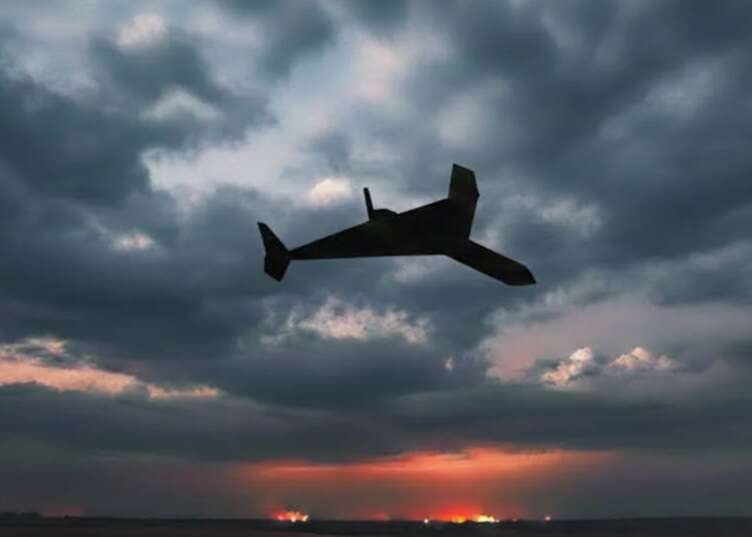
Drone crashes into Black Sea near Odesa and catches fire
Reports of a drone falling into the Black Sea emerged amid threats of unmanned system use.
Reports of a drone falling into the Black Sea emerged amid threats of unmanned system use.
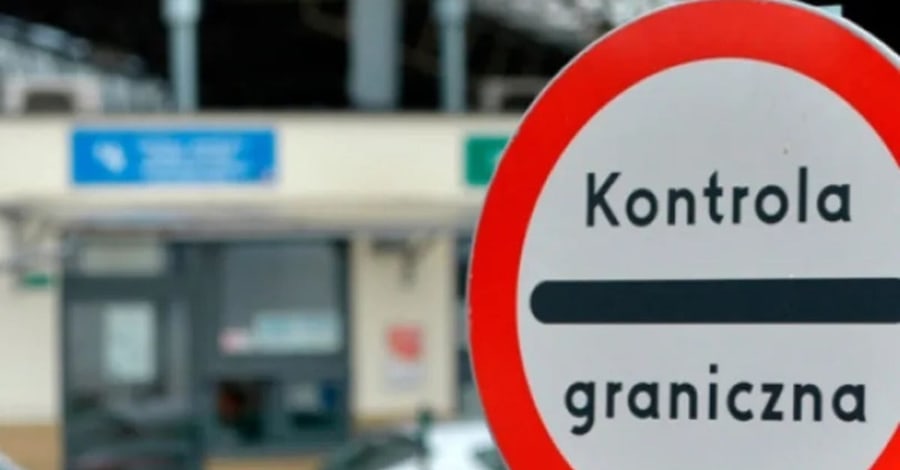
The Polish government has adopted a bill on the country's integration into the ETIAS system and the creation of a foreign nationals register. From 2027, visa-free Ukrainian citizens will have to obtain electronic authorisation.

German troops used suicide drones for the first time during Freedom Shield 26 II exercises. The manoeuvres took place at the Rudninkai training ground with thousands of service members participating.
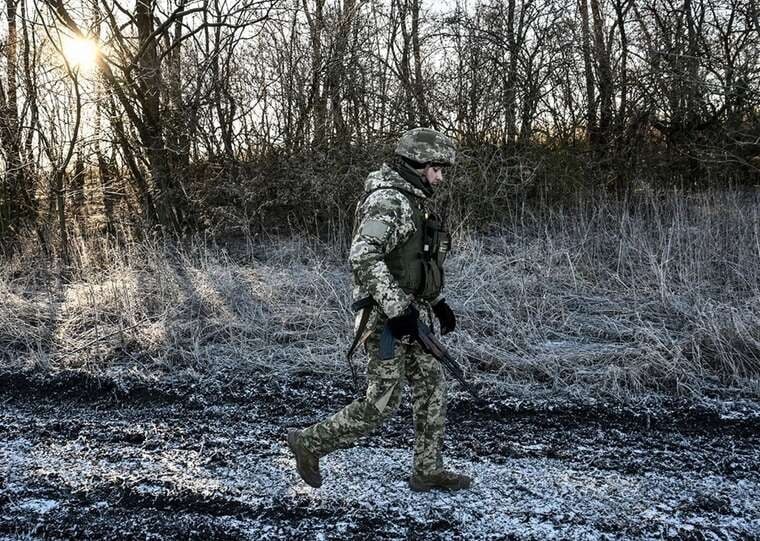
On 22 November, 143 combat engagements were recorded on the front line, with the highest intensity of fighting observed in the Pokrovsk and Kostiantynivka areas.
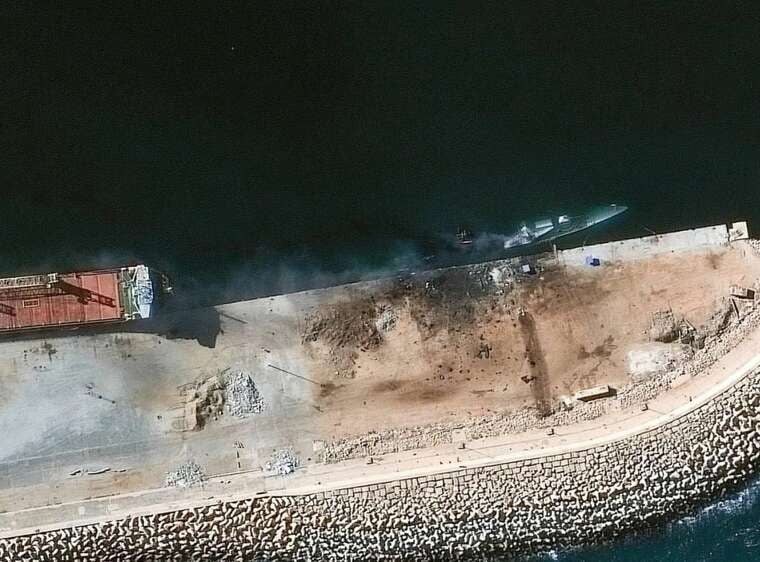
According to Clash Report, the maritime strike drone that damaged a Russian military vessel in Benghazi was allegedly launched from Albanian territory.
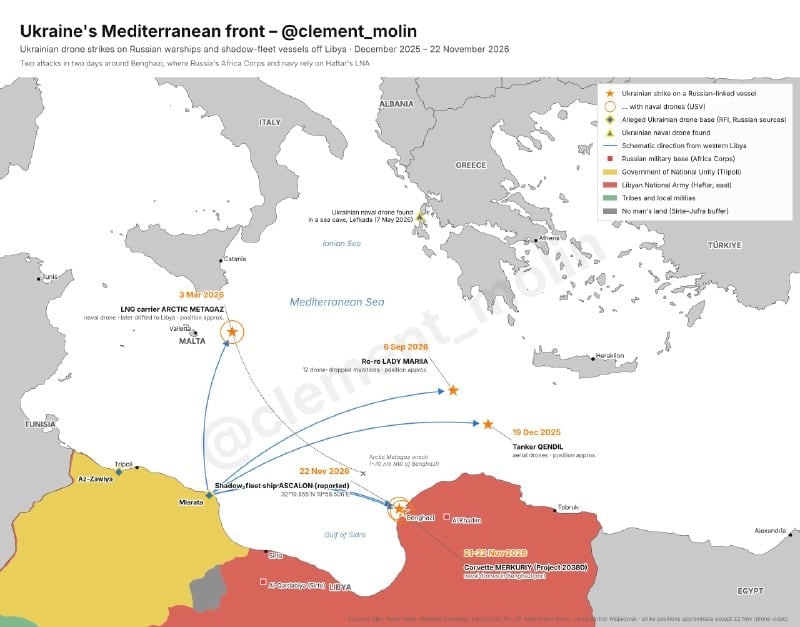
The researcher presented a detailed scheme of drone attacks on Russian vessels and shadow fleet ships in the region from December 2025 to November 2026.

Primorsky District Court of Odesa released Yevheniia Volynets from criminal liability for fictitious employment. The defendant fully reimbursed the state for the damages.
In the municipality of Bad Grönenbach, the condition of four people is assessed as critical following an incident involving a leak of harmful substances during a religious ceremony.
Polish authorities have officially approved a bill that will serve as the legal basis for the country's accession to the European travel authorisation system, ETIAS. Alongside this document, the establishment of the National Register of Foreign Nationals is envisaged. The changes will affect citizens of states whose residents have the right to enter the Schengen area without a visa.
According to government plans, the new system is to begin operating in the second quarter of 2027. Coordination of the processes has been entrusted to the Polish Border Guard. This agency will be responsible for processing applications, providing information support, and interacting with the relevant authorities of other EU countries.
The essence of the ETIAS mechanism lies in the pre-screening of foreigners before travel. During the analysis of applications, potential threats to national security, compliance with migration requirements, and risks to public health will be assessed.
The information stored in the system will not be available exclusively to border guards. The police, prosecution, courts, voivodes, the Office for Foreigners, and the tax administration will also gain access to the data. Law enforcement agencies will be able to use this information to combat terrorism and investigate serious criminal offences.
Obtaining an ETIAS authorisation involves the payment of a fee of 20 euros. In the event of a refusal, the applicant has the right to appeal the decision, but the consideration of such an appeal will cost an additional 200 zloty (approximately 45.50 euros).
In addition to integration into the European network, the bill provides for the creation of the National Register of Foreign Nationals. The database will store personal details of citizens of other states, information about their documents, submitted applications, as well as decisions regarding residence and employment permits.
Following the implementation of ETIAS, Ukrainians travelling to Poland with a biometric passport under the visa-free regime will have to obtain electronic authorisation. To do so, they will need to fill out an application, answer questionnaire questions, and pay the established fee.
At the same time, these requirements will not apply to individuals who hold a residence permit or another document confirming the right to legal stay in Poland.
Thus, the new rules will primarily affect Ukrainians who come to the country for tourism or other short-term purposes, using the visa-free regime.
It is worth remembering that for entry into Poland, Ukrainian citizens must have a valid passport, a document proving legal stay, or unused days under the visa-free regime. In some cases, border guards may also check for the presence of medical insurance and sufficient funds.
Comments
No comments yet. Be the first!