Reduction in the value of confiscated enterprises
The State Property Fund of Ukraine planned to receive at least UAH 2.2 billion from the sale of two enterprises whose assets were confiscated from citizens of the Russian Federation. These are LLC "Demurynsky Mining and Beneficiation Combine" and LLC "Motordetal-Konotop". However, as reported by the "MEZHA" Anti-Corruption Centre, the expected revenue from these operations has significantly decreased.
The reason was the re-listing of the assets for auction at a price half as high. The total valuation of the objects is now UAH 1.1 billion. The details of the value change are as follows:
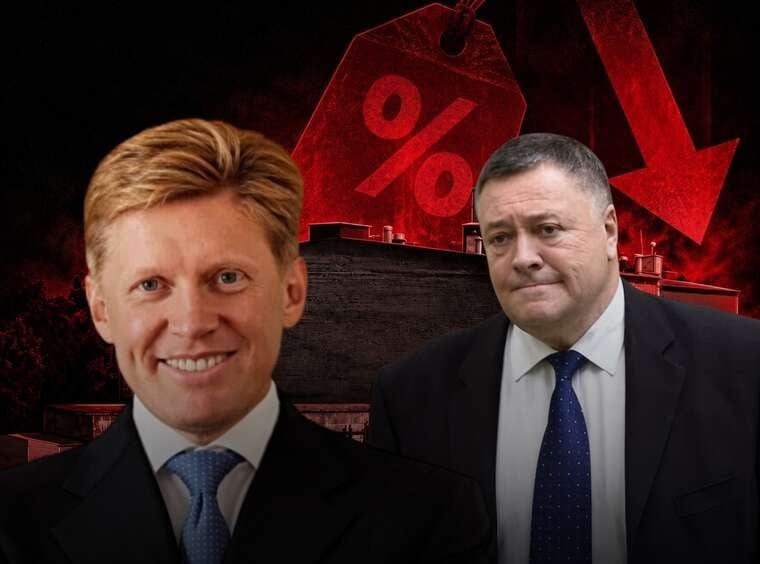
- "Demurynsky GZK", which previously belonged to Russian billionaire Mikhail Shelkov, is being sold for UAH 912.3 million instead of the initial UAH 1.82 billion.
- "Motordetal-Konotop", an asset confiscated from Russian senator and United Russia party member Sergey Kalashnik, was valued at UAH 207.7 million instead of UAH 415.5 million.
The problem of fund allocation
The funds raised from the sale of these assets are to be directed to the Fund for the Liquidation of the Consequences of Armed Aggression. However, experts note that the current state of affairs poses serious threats. If previously communities could submit projects for funding based on transparent rules and defined criteria, such a mechanism is now virtually absent.
There are no clear criteria for selecting initiatives or an open decision-making procedure. This means there are no guarantees that funding will go to the communities that most need reconstruction.
Key corruption threats
Experts highlight several main risks associated with the lack of transparency:
- Bribery with budget funds. An example cited is the 2023 situation when People's Deputy Andriy Odarchenko attempted to bribe the head of the State Recovery Agency, Mustafa Nayem, to obtain funding for university repairs from the Liquidation Fund.
- Unequal access to resources. In the absence of objective criteria, funding decisions may depend on the personal connections of local authorities with officials.
- Expenditure without proper safety assessment. An example of such an error is the reconstruction of the Starosaltivsky Lyceum, which cost over UAH 200 million. Shortly after the completion of the works, the building was destroyed again by Russian troops, and the students did not even have time to start studying in the new premises.
Necessary changes
To prevent corruption risks, experts insist on restoring transparent operating rules to the Liquidation Fund. This should include:
- open review of applications from communities;
- mandatory publication of meeting minutes;
- definition of clear criteria for project selection.
Such measures are necessary to ensure that funds from confiscated Russian assets go towards the real needs of the affected territories.


Comments
No comments yet. Be the first!