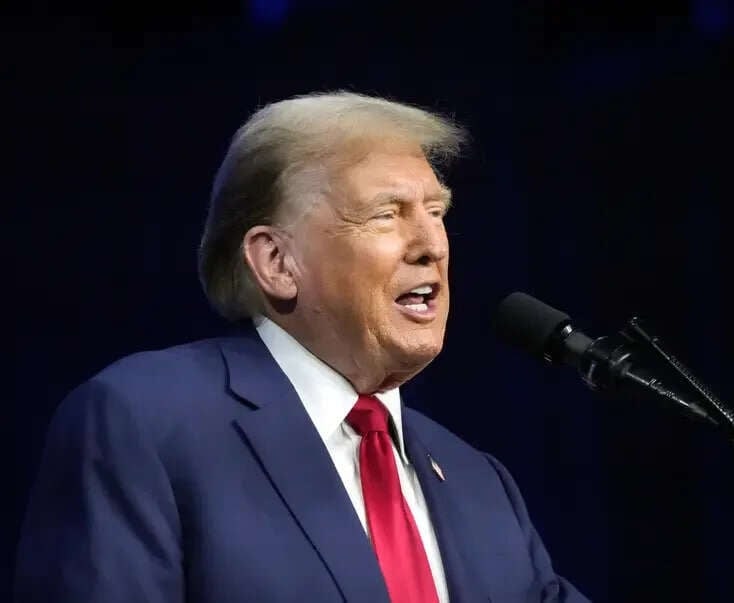
Expert warns of risk to intelligence support and Starlink
Former British diplomat Villiers-Villiers stated that the conflict between Zelensky and Trump could lead to Ukraine losing intelligence support and pressure on Elon Musk.
Former British diplomat Villiers-Villiers stated that the conflict between Zelensky and Trump could lead to Ukraine losing intelligence support and pressure on Elon Musk.
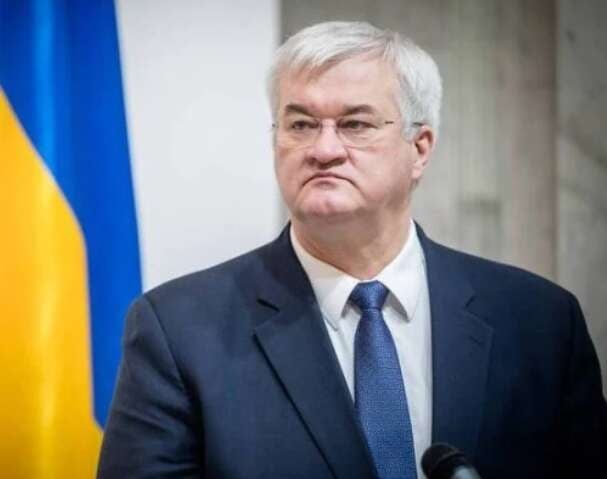
Ukrainian Foreign Minister Andrii Sybiha called on partners to increase pressure on Russia following an attack on commercial shipping in the Black Sea.

Dnipropetrovsk District Administrative Court temporarily suspended the signing of a contract with the winner of the competition to manage seized assets belonging to the producers of "Morshynska" and "Myrhorodska".

Courts upheld Svitlana Kryukova's lawsuit against Yaroslav Yurchyshyn, deeming the use of the epithet "collaborator" against her unjust.

Following tragic events in the Masovian Voivodeship, security at educational institutions in the Polish capital has been tightened. Some parents are temporarily keeping their children at home, while some classes are nearly empty.
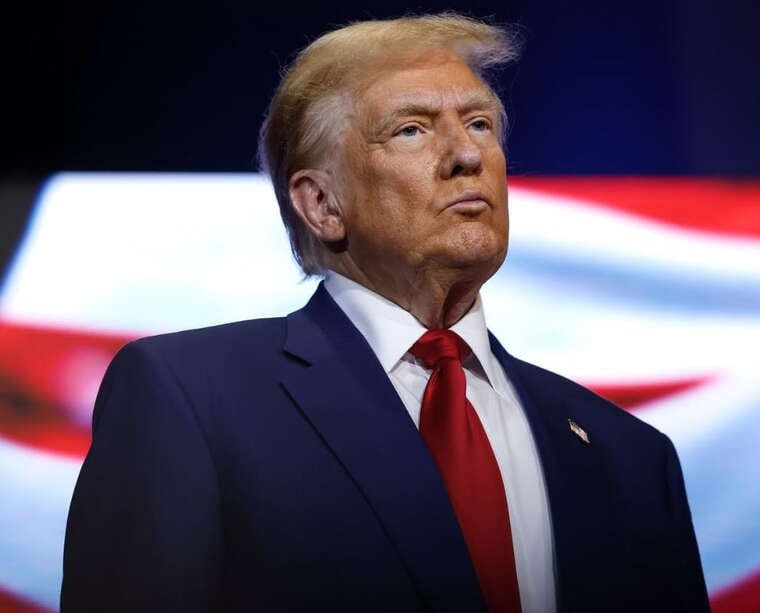
Donald Trump is confident a deal to end the war can be reached, despite his assessment of the relationship between Volodymyr Zelensky and Vladimir Putin.
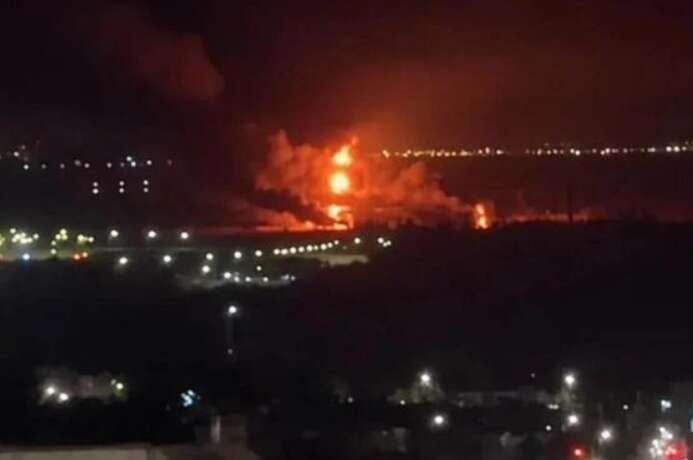
All fuel tanks at the Novoshakhtinsk Oil Products Plant facility in Rostov-on-Don were damaged following a strike.
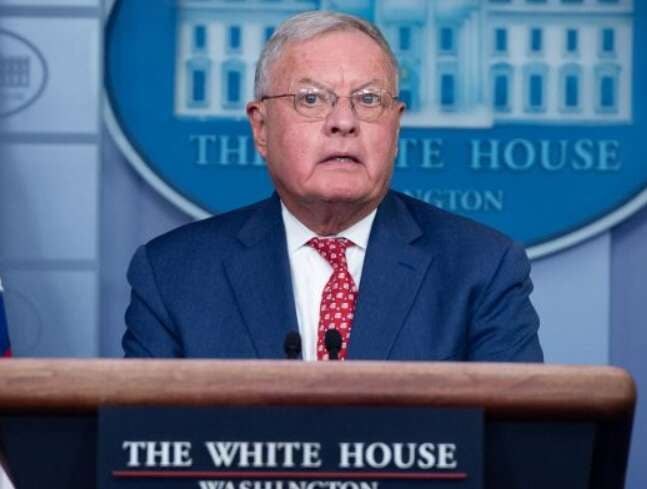
Former US President Donald Trump's special envoy Keith Kellogg urged not to restrict Kyiv in its choice of targets on Russian territory, calling Moscow's actions a prolongation of the conflict.
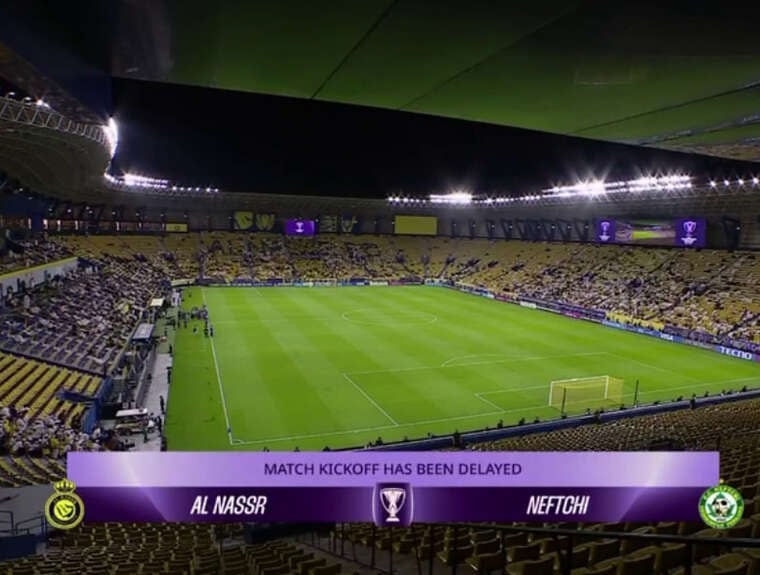
The group stage match of the Asian Champions League between Saudi Arabia's Al-Nassr and Uzbekistan's Neftchi started late. The match, featuring Cristiano Ronaldo, was scheduled to take place at Al-Awwal Park stadium in Riyadh. Shortly before the start of the game, local authorities announced a rocket threat in the capital. For safety reasons, the start of the match was postponed, and spectators in the stands were asked to move to safe areas. After this, the game eventually began.
Events at the stadium are taking place against the backdrop of resumed hostilities between Saudi Arabia and the Ansar Allah movement (Houthis). Previously, the military representative of the group, Yahya Saria, reported that the Riyadh International Airport had been hit by a ballistic missile.
According to the data provided, on October 10, 13 people were killed and more than 300 were injured as a result of the strike on King Khalid International Airport. The following day, the airport came under a new attack: one person was killed and 11 were injured. Due to these strikes, the airport's operations were temporarily suspended.
The Houthis are the Ansar Allah military-political movement, predominantly of Shia orientation, which is supported by Iran. In 2014, the group captured the capital of Yemen, Sanaa. In 2015, Saudi Arabia led a military coalition in support of the internationally recognised government of Yemen, fearing the strengthening of Iranian influence near its borders.
Since then, the country has been in a state of prolonged armed conflict. The Houthis control a significant part of the territory, including Sanaa, while the government, supported by Riyadh, is based in Aden. In 2022, with UN mediation, the parties agreed on a ceasefire, however, according to available data, hostilities resumed in the summer of 2026. In September, the Houthis launched an offensive in western Yemen, capturing the port of Mocha and Perim Island in the Bab el-Mandeb Strait.
This strait connects the Red Sea with the Gulf of Aden and is of great importance for international trade. Threats to shipping in this region increase risks for maritime transport, especially against the backdrop of restrictions on movement through the Strait of Hormuz.
In response to the attacks, Riyadh resumed large-scale airstrikes on Houthi positions and supported the counteroffensive by the Yemeni government forces. Saudi Arabia also appealed to the US for military assistance.
Meanwhile, Washington, according to the data cited, is currently refraining from direct participation in strikes on the Houthis, taking into account the war with Iran and the risk of opening an additional front. Following the attacks on Riyadh airport, US President Donald Trump admitted the possibility of direct American intervention.
Comments
No comments yet. Be the first!