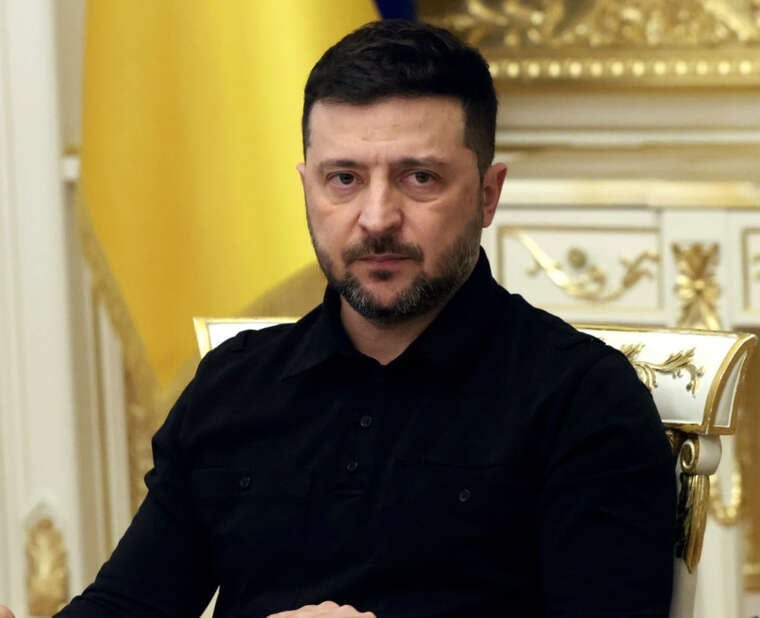
Kushner criticises Zelensky over open style of negotiations with Trump
The US president's son-in-law believes that publicly discussing the details of the dialogue between Kyiv and Washington hinders the achievement of results.
The US president's son-in-law believes that publicly discussing the details of the dialogue between Kyiv and Washington hinders the achievement of results.
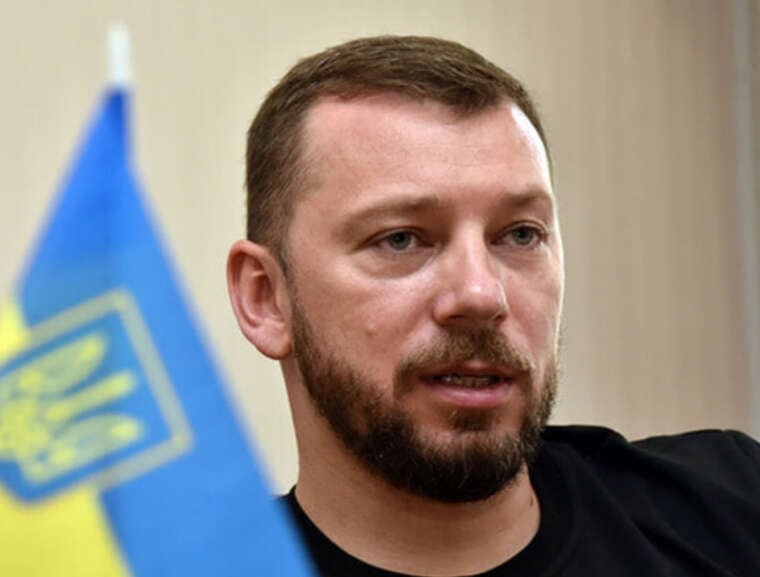
SAO head Oleksandr Klymenko signed a letter indicating a possible conflict of interest for TSC head Oleksiy Honcharenko eight minutes before the committee's work began.

The executive committee of Hirska village council in Kyiv region bought a flagship Apple smartphone with budget funds without a tender. Meanwhile, a criminal case against the head of the hromada is ongoing, and an audit of 147 million UAH is being analysed.
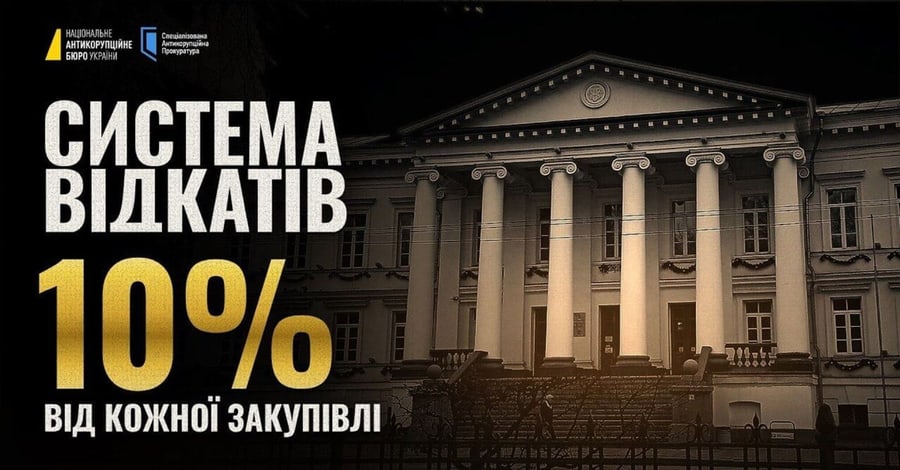
Investigation established that an official from the housing and utilities department, together with a group of individuals, systematically demanded kickbacks from contract values.
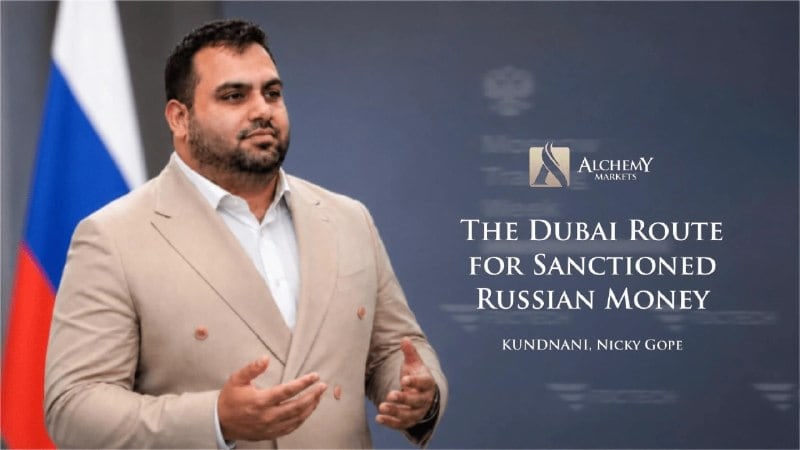
Nicky Kundnani is at the centre of fraud allegations. His structures are used for money laundering, while FDCTech prepares for a NASDAQ listing despite numerous financial restatements and audit issues.
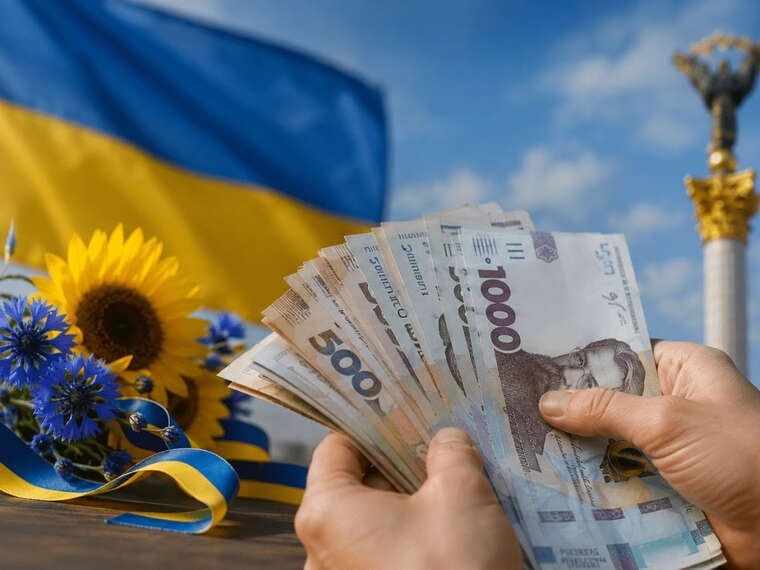
Contractors and local communities risk not receiving funds by year-end due to established payment deadlines.

Sheptytskyi City Court sentenced Ihor Mamchur to five years in prison for demanding money to arrange disability status for relatives of two women.
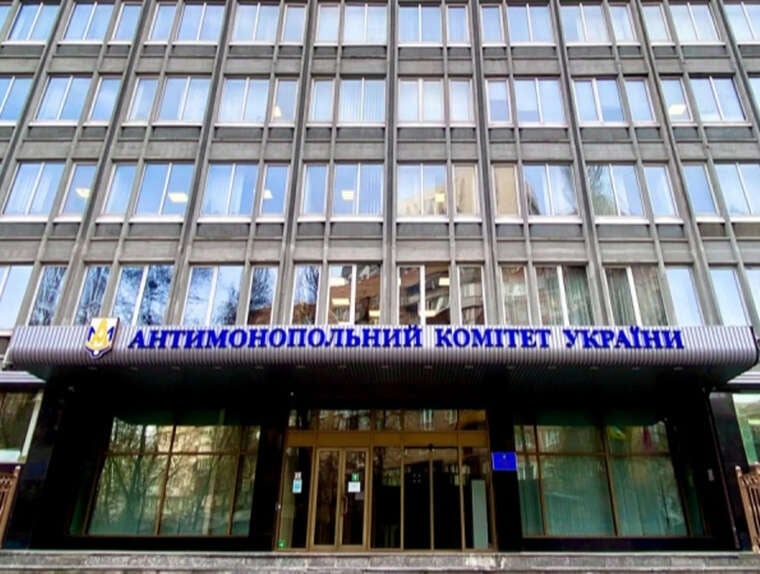
The Antimonopoly Committee of Ukraine found a cartel in six tenders benefiting the businesses of Shyryn, Horbatiuk, and Hrytsak, who jointly received 368.5 million UAH in state funds.
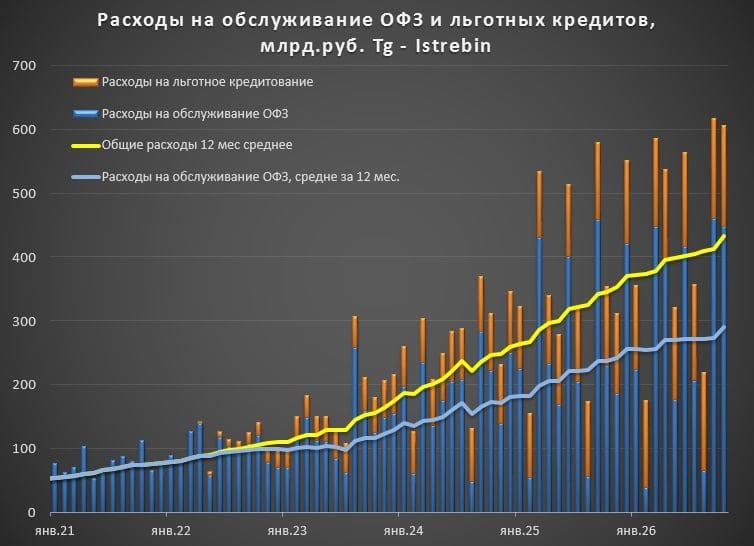
Russia's financial system is under pressure from growing obligations. Over the past two months, monthly spending on debt servicing has exceeded 600 billion rubles. This accounts for 17% to 20% of all federal budget expenditures, indicating that the country is approaching debt default.
On 12 November, Elvira Nabiullina, head of the Central Bank of the Russian Federation, stated in an interview that the volume of preferential loans had reached 19 trillion rubles. The Ministry of Finance of the Russian Federation covers the difference between the loan rate and the market price and also bears the costs of servicing these loans. Previously, the exact volume of such programmes, which are directed primarily to the military sector, as well as to weak economic entities and mortgage lending, was unknown.
According to Nabiullina, over five years, the volume of preferential lending has grown to 19 trillion rubles. The average difference subsidised by the Ministry of Finance is 10%. If the market loan rate fluctuates around 16%, the preferential rate is approximately 6%.
Based on this data, a calculation of the government's approximate spending on preferential loans was conducted, which was added to the official Ministry of Finance data on payments for Federal Loan Bonds (OFZ).
In September, payments for OFZ servicing amounted to 460 billion rubles, with a further 155 billion rubles going towards servicing preferential loans. In total, this is 616 billion rubles, equivalent to 19.9% of all federal budget expenditures for that month.
In October, the situation is similar: OFZ payments were 448 billion rubles, and preferential loan payments were 158 billion rubles. Together, this is 606 billion rubles, or 16.9% of budget expenditures for October.
Since monthly expenditures vary significantly, it is advisable to consider the average indicators over 12 months. Over this period, the share of budget spending on servicing the internal state debt and preferential loans reached 11%, with a trend towards growth.
The situation is worsened by the fact that yesterday, 10-year benchmark bonds reached a new all-time high in yield of 17.1%. Over the year, this indicator has risen by 2 percentage points. The total volume of OFZ in circulation is 34 trillion rubles, and preferential loans are 19 trillion rubles.
A 1% increase in yield leads to an increase in budget spending of 530 billion rubles per year. Since bond yields have risen by 2 percentage points over the year, and the increase in spending occurs with a lag, this will increase spending by an amount of over three trillion rubles.
An additional pressure factor has been the fall in energy prices. The price of Brent crude oil has dropped to $88, and the Russian Urals grade to $68. At such prices, oil and gas revenues to the budget will decrease, leading to an increase in the deficit. To cover it, the Ministry of Finance will have to issue more OFZ, which will automatically increase the premium for buyers and further increase the volume of debt servicing payments.
Russia has fallen into the so-called "death spiral" of state debt, described by Nassim Nicholas Taleb.
Comments
No comments yet. Be the first!