
Trump announces executive order to replace term 'artificial intelligence' with 'superintelligence'
US President plans to officially enshrine the new technology name in government documents, citing the inaccuracy of the epithet 'artificial'.
US President plans to officially enshrine the new technology name in government documents, citing the inaccuracy of the epithet 'artificial'.

Investigators are examining the involvement of exchange point owners in the illegal transfer of substantial funds abroad in 2022.
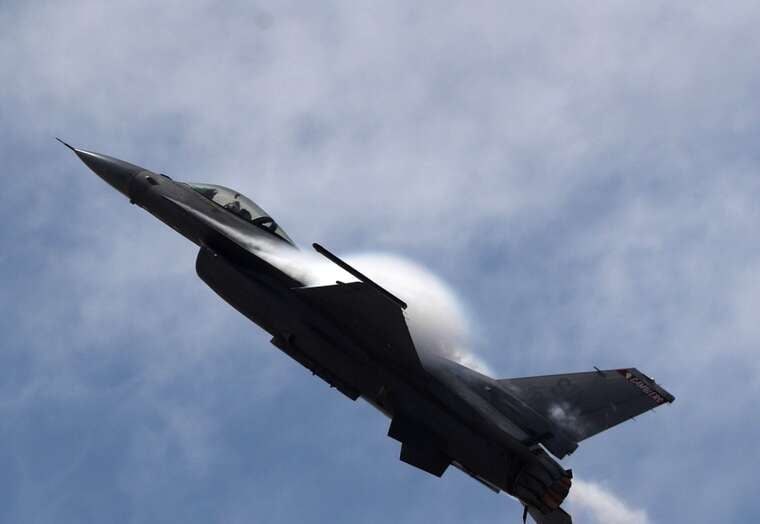
The Wall Street Journal reported that technical issues at a Belgian service centre have grounded more than half of Ukraine's F-16 fighter jets.
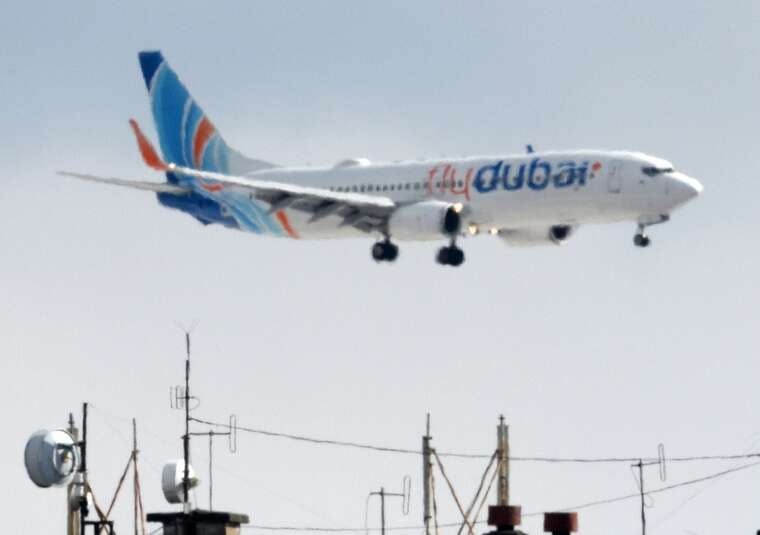
Ukrainian and Russian pilots flying as passengers took control of the aircraft after an incident with the crew and made a successful landing in Saudi Arabia.

The US President expressed doubt about the implementation of an energy ceasefire, despite the optimism of his advisers and statements about Washington's constructive role in the negotiations.
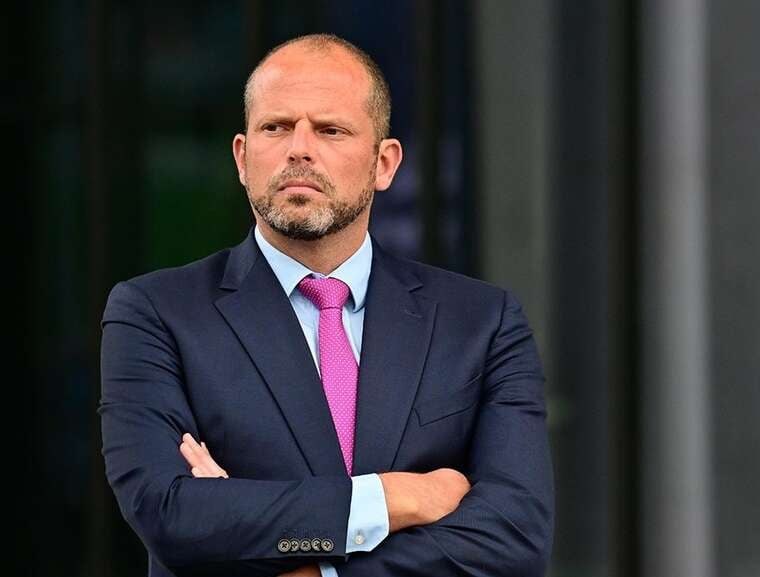
Belgian Defence Minister Theo Francken warned of a deteriorating security situation in Europe and called for accelerating the transfer of Ukrainian air defence technologies.
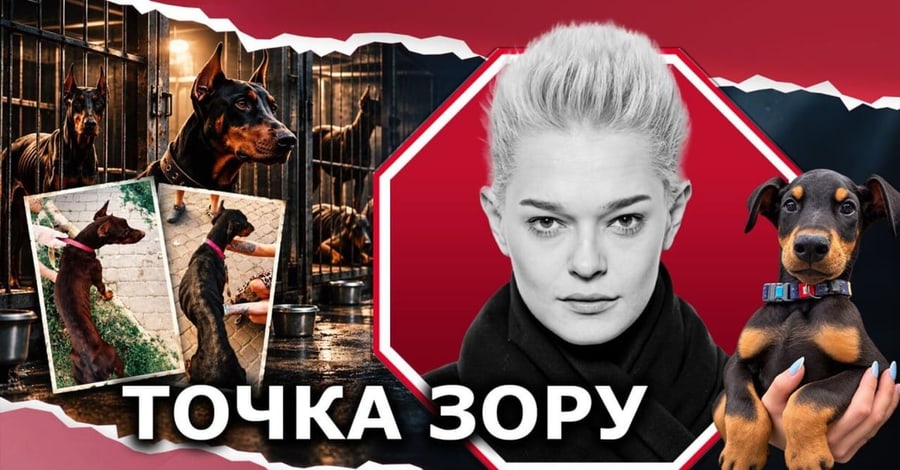
Law enforcement response indicates animals were not handed over to volunteers, casting doubt on the legality of actions and opening the path for reclassification of the case as theft or robbery.

Former wife of ex-minister Herman Halushchenko lived in an elite district of Geneva, while her architectural firm had links with offshore structures.
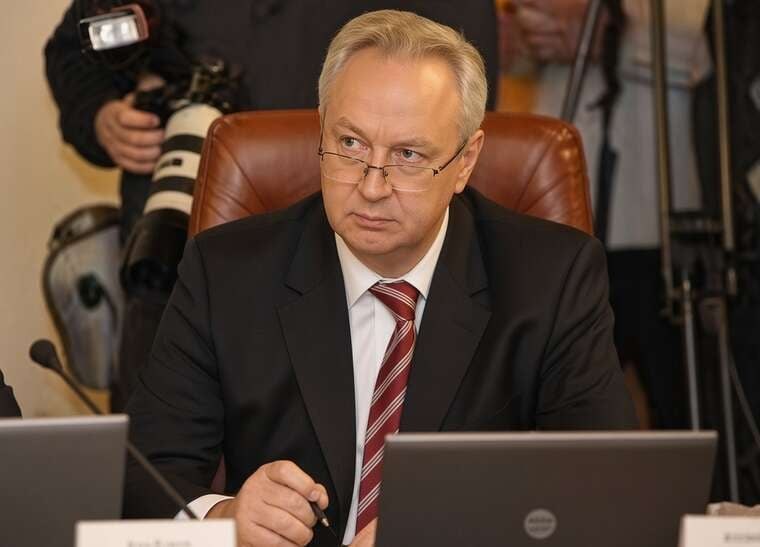
The financial institution Kristalbank (Unified State Register of Legal Entities code 39544699, Bank Identification Code 339050) was established in December 2014 based on the remnants of Terra Bank. Currently, Marina Lenyn, the wife of Vadym Kopylov, owns half of the shares (50%). Kopylov, who previously served as Deputy Minister of Finance and Acting Minister of Economy, now heads the bank's supervisory board. The remaining shareholdings are distributed between Oksana Hrebinska (25.000002%) and Leonid Hrebinsky (24.999997%), who simultaneously manages the institution's board of directors.
It is worth noting that before the creation of Kristalbank, Marina Lenyn oversaw Terra Bank. Kyrylo Shevchenko, the future head of the National Bank of Ukraine, also featured in the latter's history. He owned 33% of the Ukrainian Strategic Group, which controlled 99.21% of Terra. Later, Shevchenko received a suspicion notice from the National Anti-Corruption Bureau of Ukraine (NABU) and the Specialised Anti-Corruption Prosecutor's Office (SAP) in a case involving the siphoning of UAH 206 million from Ukrgazbank, left Ukraine, and became a fugitive.
Kristalbank is currently mentioned in materials describing the financial operations of the group led by Dmytro Rivkin and Anton Skorobohatov. According to published documents, this bank processed payments within a scheme built on a chain of Ukrainian financial companies, importers, and foreign legal entities.
The mechanism involved hryvnia flowing to Ukrainian structures, being converted into foreign currency, and then the funds being sent to the Swiss company Done Switzerland AG. Among the key participants in this scheme is the company Supply Chain Finance (SCF). In 2025, SCF issued bonds with a nominal value of UAH 180 million. As of 2026, 70% of SCF belonged to Rivkin, while 30% belonged to the "KASL" fund (formerly known as "DANN GROUP"). The documents also mention the Polish company KOOPERANT EUROPEJSKI and Ukrainian enterprises: Globinex, Motoroz Parts Ukraine, Commodities, Hampton's Trade, and TBS.
The final destination for the flow of funds is Done Switzerland AG (CHE-363.272.422), which was previously named Alltag und Gerätetechnik. Dmytro Rivkin was listed among the company's executives and held individual signing authority. According to financial statements, the company's assets amounted to CHF 30.33 million, while its liabilities stood at CHF 27.77 million.
Particular attention is drawn to a cryptocurrency transaction. Three packages of USDT stablecoins were contributed to the Swiss company's charter capital: 504,376, 504,415, and 511,512 units. In total, this amounts to 1,520,303 USDT. Shares were issued against this cryptocurrency, allowing the company's capital to increase from CHF 520,000 to CHF 1.75 million. Thus, digital assets were transformed into a stake in a Swiss legal entity.
Indicators for Kristalbank itself indicate its modest scale: at the beginning of 2026, net assets stood at approximately UAH 2.9 billion. In 2025, the bank recorded a loss of UAH 43 million, and its cost-to-income ratio (CIR) reached 109%.
The National Bank of Ukraine has already applied measures of influence to Kristalbank due to violations of requirements in the field of financial monitoring and countering the laundering of proceeds from crime. Thus, in this story, specific names and large sums intertwine: Vadym Kopylov heads the supervisory board, his wife Marina Lenyn owns 50% of the shares, Leonid Hrebinsky manages the bank alongside Oksana Hrebinska, who hold the other half. The group of Dmytro Rivkin and Anton Skorobohatov is linked to the company SCF, which placed bonds worth UAH 180 million, while funds flowed to Done Switzerland AG, where 1.52 million USDT was contributed to the capital.
Through such a chain structure—from Ukrainian hryvnia through affiliated companies and currency purchases to transfers to Switzerland and conversion into cryptocurrency—money changes its legal form and jurisdiction. Meanwhile, the bank through which these payments passed had previously received measures of influence from the NBU specifically for issues in financial monitoring.
Comments
No comments yet. Be the first!