The political dimension of arms supply
Sources within the North Atlantic Alliance express concern over the potential delay in supplying Patriot interceptor missiles to Ukraine. According to them, US President Donald Trump may view military support as a tool to pressure the Ukrainian authorities. The main objective of Washington, as allies believe, is to force Kyiv to stop strikes on Russian oil refineries and make concessions within the framework of peace negotiations.
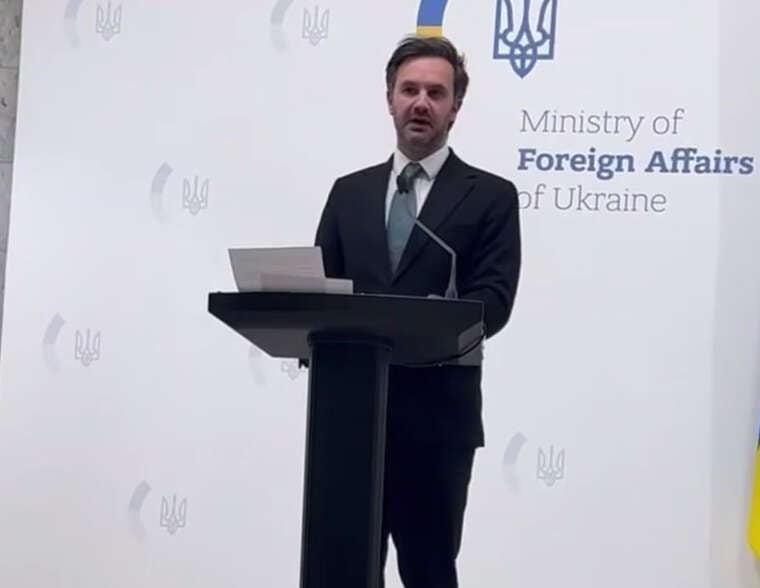
Ukraine has already appealed to US Defence Secretary Pete Hegseth, requesting him to sign an agreement on the supply of critically important air defence systems. However, the situation remains uncertain, and NATO members doubt that the missiles will arrive before the US mid-term elections, which will take place next week.
Weapons shortage and production capacity
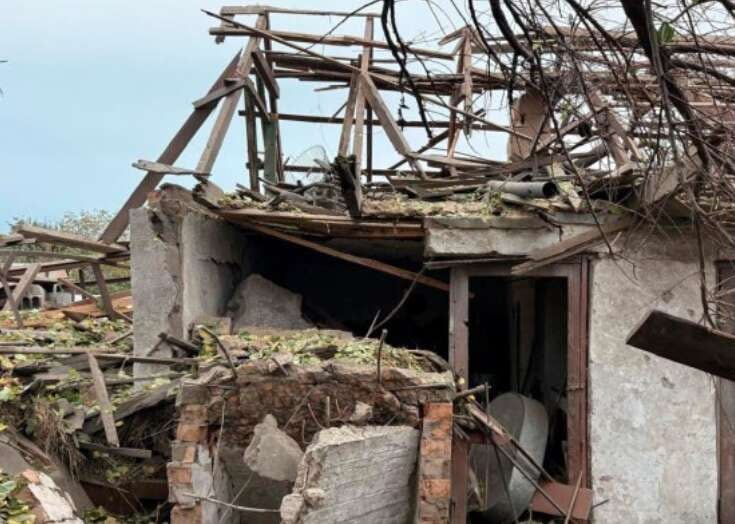
The air defence problem in Ukraine is deepening due to intense Russian shelling. According to Ukrainian data, Russia launched over 100 ballistic missiles at Kyiv and the Kyiv region in just the last two weeks.
Meanwhile, US production capacity ensures the release of only around 60–65 Patriot missiles per month. The situation is complicated by the fact that weapons stocks are also being depleted due to the military conflict in the Middle East and the war against Iran, creating a global shortage of munitions.
European alternative and prospects
Earlier, NATO Secretary General Mark Rutte called on European allies to independently transfer existing Patriot systems to Ukraine. However, countries with less advanced PAC-2 systems, specifically Greece and Spain, have not yet responded to this call.
Germany has obtained a licence to produce PAC-2 missiles, but the first supplies are not expected before the end of 2026 or the beginning of 2027. Meanwhile, previous plans to establish licensed production of Patriot missiles directly in Ukraine are currently blocked.







Comments
No comments yet. Be the first!