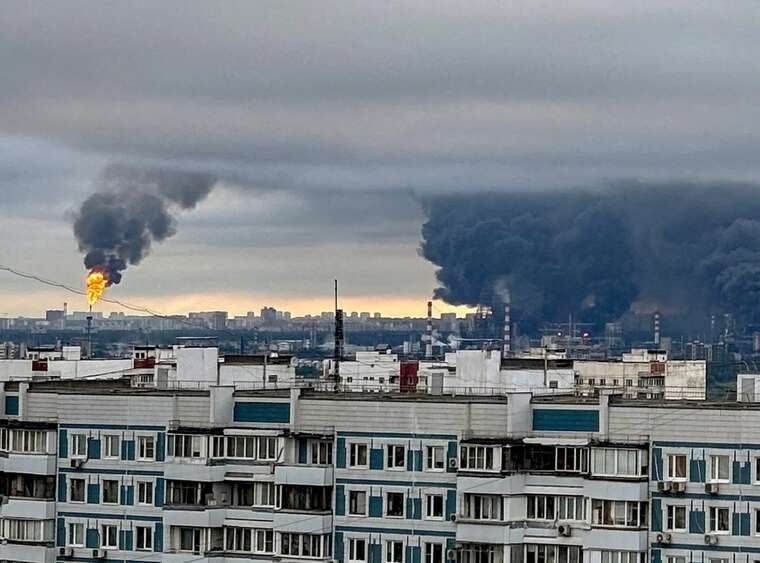
Russia uses balloon nets to protect refineries from Ukrainian drones
Occupiers are attempting to shield oil refineries from UAV strikes using balloon obstacles reminiscent of World War I air defence systems.
Occupiers are attempting to shield oil refineries from UAV strikes using balloon obstacles reminiscent of World War I air defence systems.
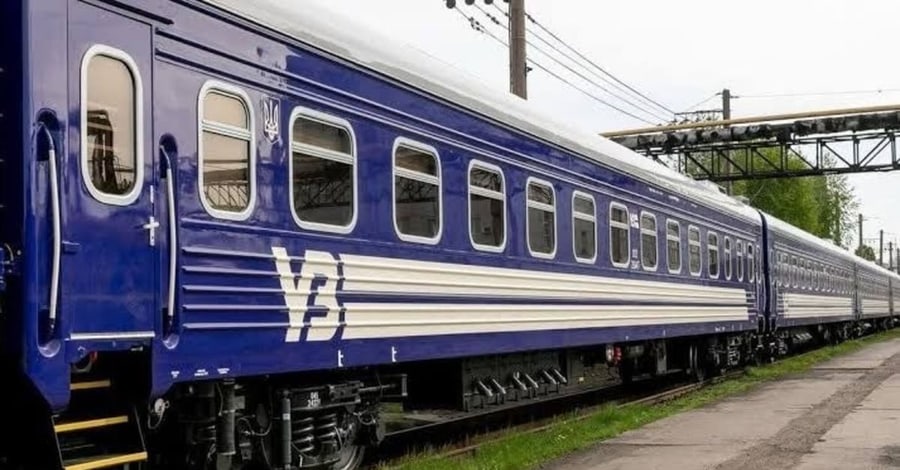
From 20 October, the Dnipro–Lviv and Zaporizhzhia–Przemyśl services will be suspended. Passengers are advised to use alternative routes or make transfers.

Umar Kremlev confirmed at a press conference in Istanbul that he received funds from the son of the former US president for organising the event.
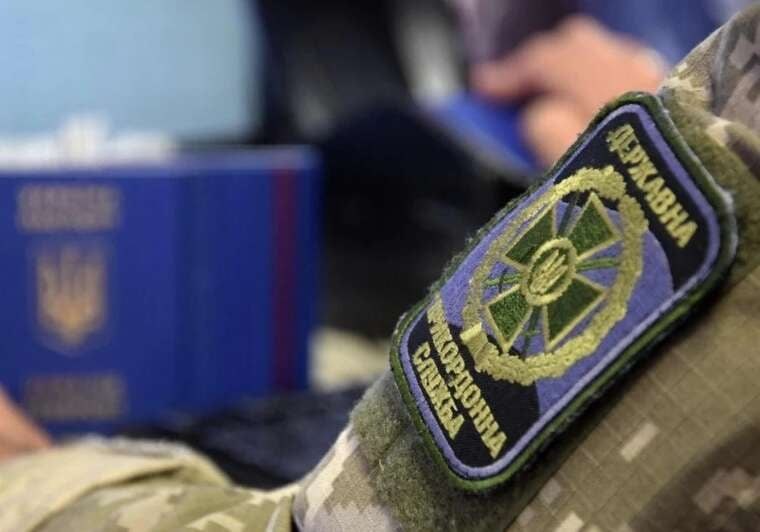
Kyiv and Warsaw are developing a joint control mechanism that will allow Ukrainian services to operate on the Polish side of the border to speed up crossings.
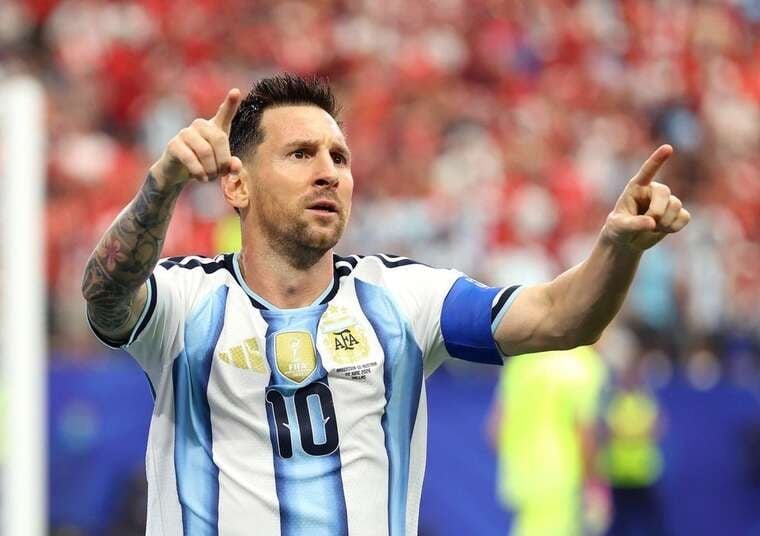
Argentina captain Lionel Messi shared fresh photos with a new haircut and a special adidas kit ahead of his farewell match.
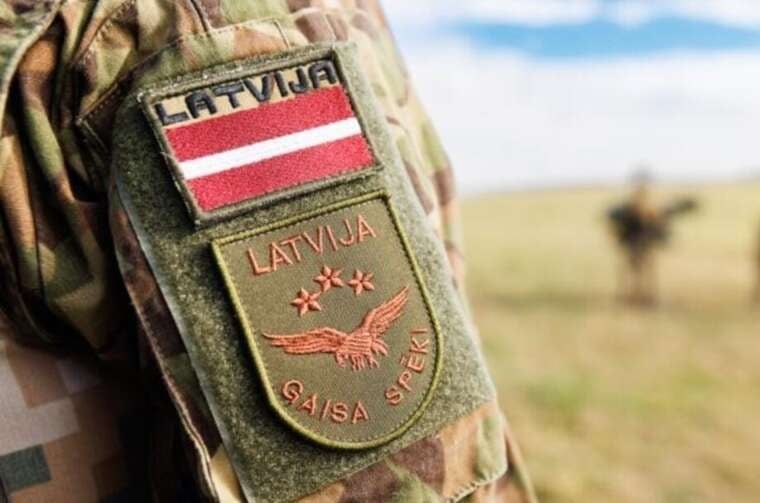
Latvian Armed Forces reported an incident at the border: soldiers initially stopped an attempt to forcibly transport around 20 migrants, after which a group of armed individuals breached the country and stole cameras.
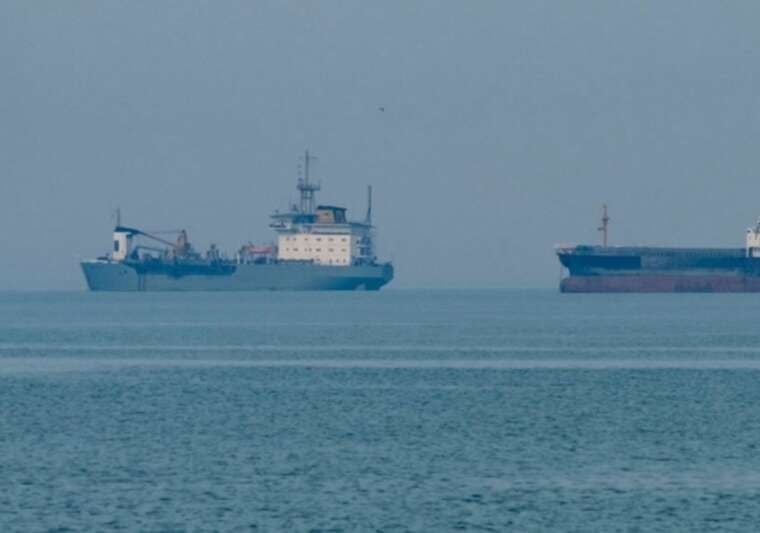
Prime Minister Rosen Radev explained that the incident in neutral waters does not provide grounds for a collective response by the Alliance, although the source of the threat has yet to be established.
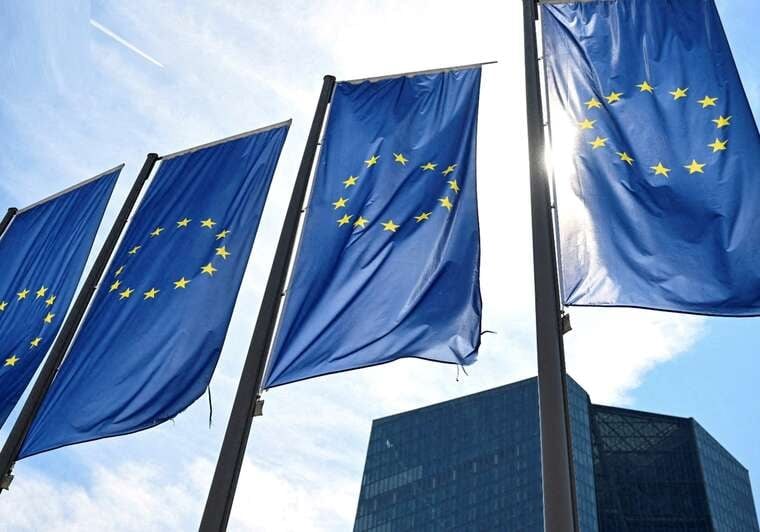
European diplomats reported that on Wednesday, EU country representatives are approving the largest expansion of sanctions lists since the start of the full-scale invasion, which will hit 1,650 individuals and companies.
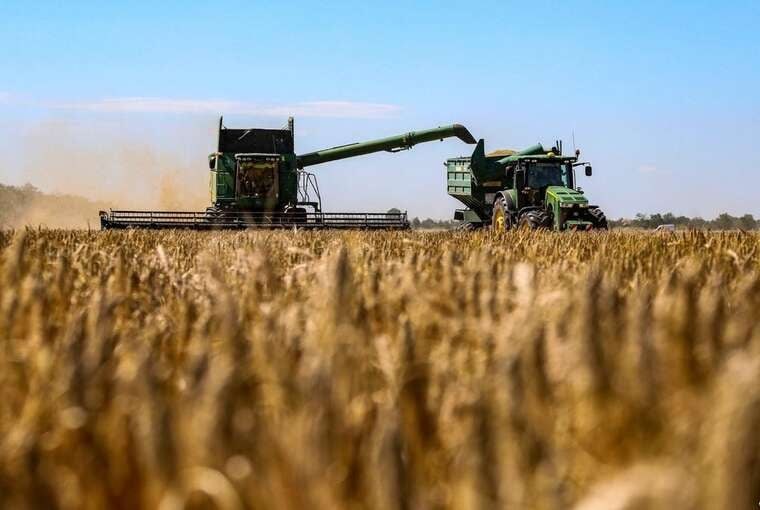
Ukraine's Agriculture Minister Taras Vysotsky told Politico that Kyiv will not agree to join the European Union unless it receives guarantees of full grain export. According to him, Ukraine cannot accept a membership model under which supplies of certain food products to EU countries remain permanently restricted.
Politico notes that the European Commission has already approved such an approach in the context of preparing for the future expansion of the bloc. Minister Vysotsky emphasised the fundamental difference between temporary and permanent restrictions:
«Для нас принципово важливо розрізняти перехідний період і постійні обмеження. До першого ми готові, друге ж суперечить самій суті повноцінного членства в Європейському Союзі» (It is fundamentally important for us to distinguish between a transition period and permanent restrictions. We are ready for the former, while the latter contradicts the very essence of full membership in the European Union), he stressed.
According to the European Commission's proposal, instead of granting full access to the European market, Brussels plans to help Ukraine return to "historical" sales markets, primarily in Africa and the Middle East. However, Taras Vysotsky considers it a mistake to perceive Ukraine exclusively as a threat to European farmers.
The minister is confident that Ukraine is capable of reducing the EU's dependence on imports of fertilisers, soy, and lysine, as well as providing European producers with more convenient access to export routes via the Black Sea.
Vysotsky added that Ukraine's goal is EU membership that will allow the agricultural sector to supply Europe not only with grain and raw materials, but also feed, ingredients, processed products, and biofuel.
The minister confirmed Kyiv's readiness to cooperate within the framework of transition periods. This includes phased support for the industry, the establishment of temporary quotas, and the introduction of protective measures for sensitive goods. At the same time, all such measures must have a clearly defined end date.
Comments
No comments yet. Be the first!