Ukraine's defence industry, despite rapid growth during the full-scale war, has likely reached the limits of its capabilities. The country cannot scale weapons production to levels comparable to Russia's, The Wall Street Journal reports.
Imbalance in missile and drone production
The sector has encountered several systemic issues simultaneously: a lack of funding, fragmented production, a shortage of specialists, Russian strikes, and the inability to safely expand facilities within the country.
The lag in missile production is particularly noticeable. Oleg Korostelov, head of the Luch design bureau, stated that Ukraine will produce only a few hundred Neptune cruise missiles this year. Meanwhile, in the first seven months of the year, Russia launched 873 cruise and 606 ballistic missiles at Ukraine.
According to Ukrainian intelligence, Russia is also capable of producing around 3,000 jet-powered drones per month. For comparison, Ukraine's Luch design bureau produces over 1,000 Palyanitsya jet-powered drones per year.
In addition, Ukraine has yet to establish the production of its own modern air defence missile systems and remains dependent on limited stocks of weapons from the US and Europe.
Fragmentation as a barrier to development
WSJ identifies fragmentation as one of the main problems of Ukraine's defence-industrial complex. What was previously an advantage that facilitated rapid innovation has now become an obstacle to development.
More than 1,300 defence companies operate in Ukraine. While numerous small enterprises helped develop new solutions quickly at the start of the war, they now compete with each other for limited funding.
The Ukrainian market is too small to ensure further growth for all producers. The situation is complicated by the procurement system, under which individual commanders independently order equipment or receive it from sponsors. As a result, funds are distributed among many enterprises instead of concentrating resources on the most efficient producers.
Nico Woods, a former US Navy officer who advised the Ukrainian government, stated that many companies do not provide significant benefit to the war effort and only intensify competition for limited funds.
Staff shortages and threats from the enemy
Another serious problem remains the inability to increase production even when there is demand. For example, Ark Robotics receives more orders for ground drones than it can fulfil. However, the company is hindered in its expansion by a shortage of qualified workers. Millions of Ukrainians have left the country or are serving in the military.
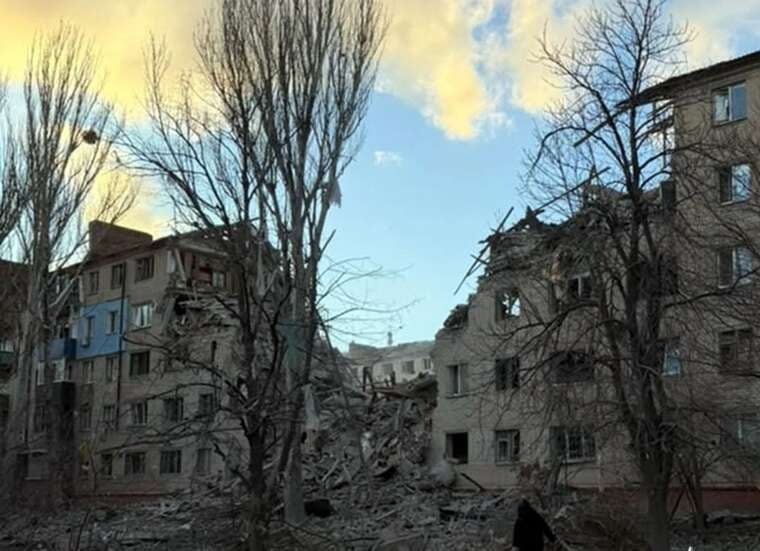
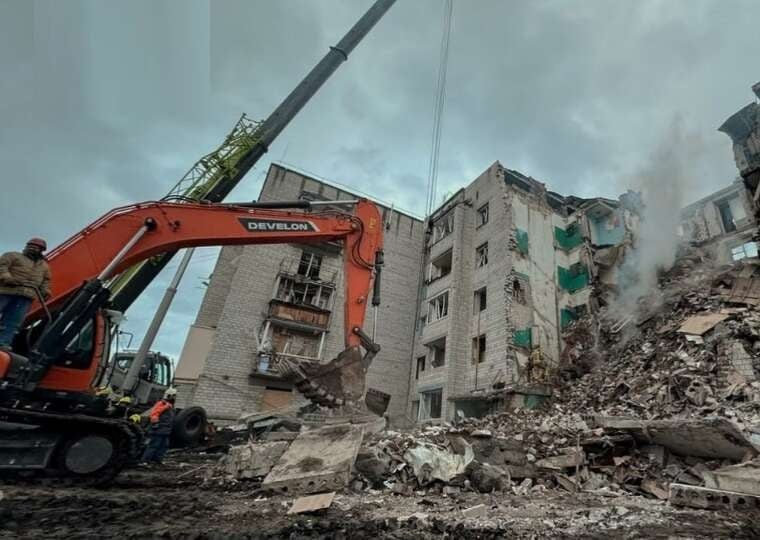
Russian strikes have become an equally serious obstacle. Enterprises are forced to disperse production and protect their facilities. At the same time, finding new premises is difficult: property owners are reluctant to rent to defence companies, fearing that their buildings will become targets for Russian missiles.
Seeking solutions abroad
WSJ notes that even the rapid growth in drone production — from a few hundred in 2022 to a planned over 7 million in 2026 — does not resolve the accumulated problems of Ukraine's defence industry.
Against this backdrop, the sector is increasingly moving production abroad and seeking foreign investors.
For instance, ground drone manufacturer Ark Robotics has established its headquarters and part of its production in Estonia and is attracting foreign funding. The company Uforce is organising the production of maritime drones in the US state of Oregon. Other Ukrainian enterprises are already manufacturing drones in the UK and Germany.
Fire Point, a manufacturer of long-range missiles and drones, is considering selling a stake in the business. Swarmer, a company specialising in military artificial intelligence, has listed on the New York Stock Exchange and is now based in Texas.
"This is access to money and large markets, while producing goods in Ukraine is becoming increasingly difficult," explained Uforce CEO Oleh Rohinskyi.




Comments
No comments yet. Be the first!