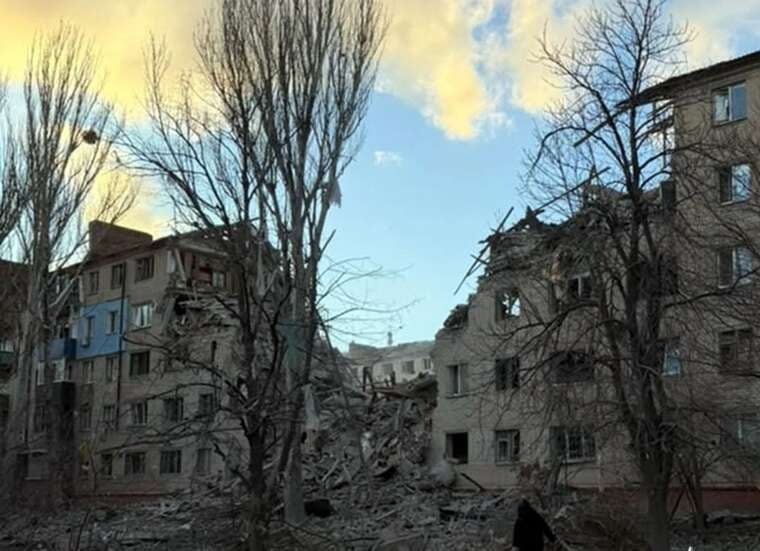
Two killed, three injured in Russian air strike on Sloviansk
Russian occupiers used a FAB-500 aerial bomb against a residential area in Sloviansk, resulting in the deaths of two residents and injuries to three others.
Russian occupiers used a FAB-500 aerial bomb against a residential area in Sloviansk, resulting in the deaths of two residents and injuries to three others.

US National Intelligence Director Jay Clayton backed Donald Trump after the publication of a photo with Vladimir Putin, calling the trilateral summit a key achievement in nuclear security.

French presidential candidate Marine Le Pen confirmed to the Ukrainian ambassador that financial support for Ukraine would be halted due to budget constraints if she wins the election.
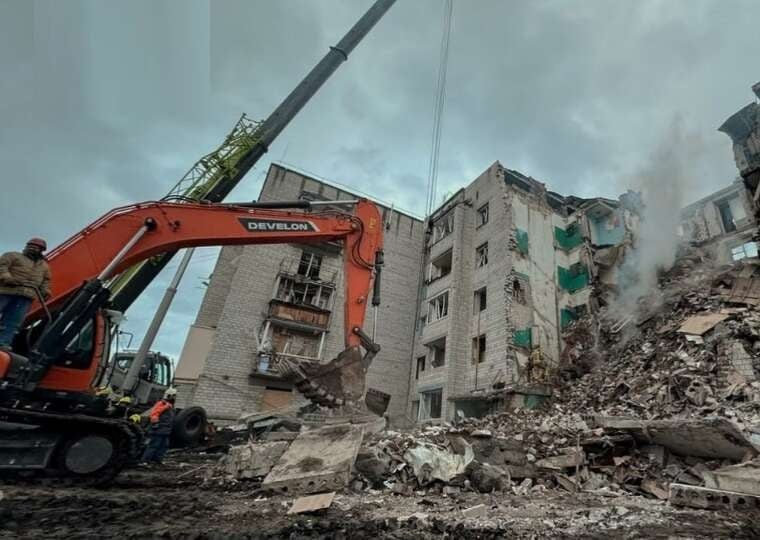
Ukrainian President reported on prolonged rescue operations in Kyiv Oblast following a suicide drone strike on a residential building, and noted the consequences of attacks in Vyshneve and Bilotserkivskyi district.

A jet-powered drone hit a railway station in Kharkiv Oblast, the building is fully engulfed in flames, and there are casualties.
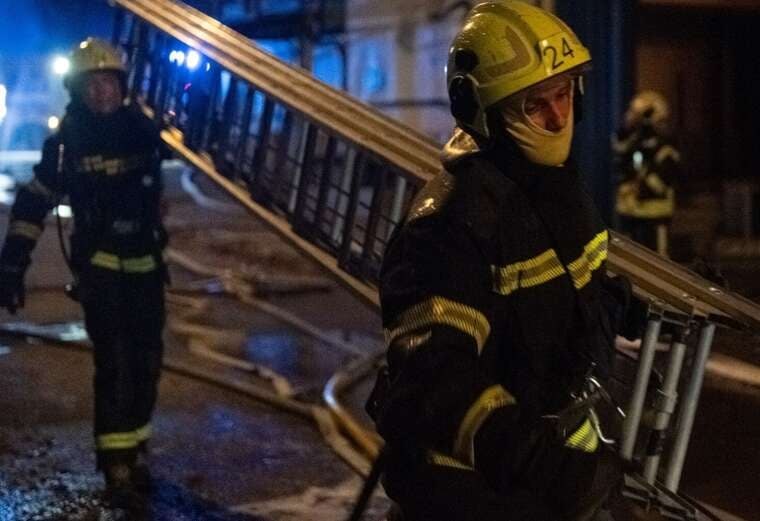
Interior Minister Ihor Vyhivskyi announced the rescue of a child following a strike on a residential building in Kyiv Oblast. The boy spent nearly 14 hours under the debris.
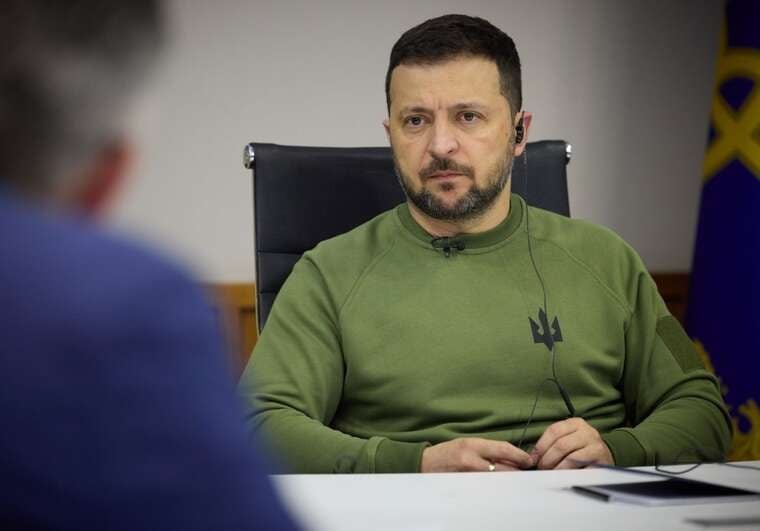
President stated that next week must be productive for state support and will boost the country's European integration.

Kateryna Kobernyk warns that the erosion of public trust in institutions of power is a desired outcome for Russia, which is actively working to achieve this goal.
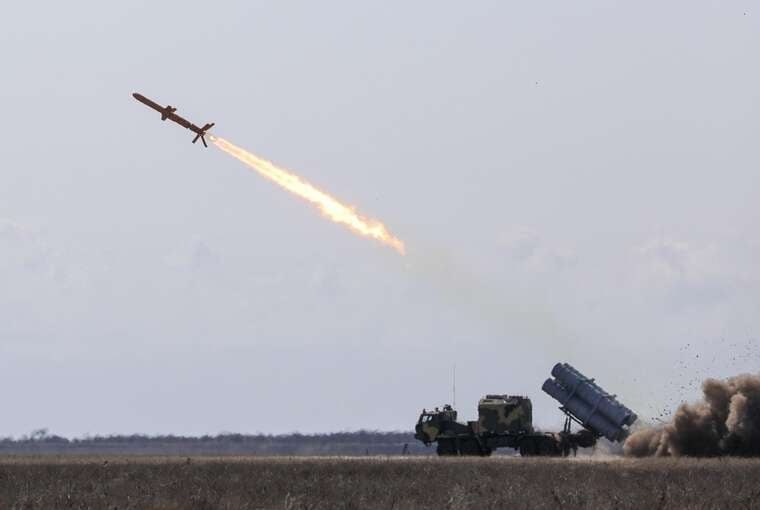
Ukraine's defence industry, which underwent significant expansion following the start of Russia's full-scale invasion, is now facing deteriorating conditions for further growth. Despite successes in developing long-range weapons, including Neptune missiles, the sector is being held back by several critical factors: a lack of funding, a shortage of qualified personnel, and constant Russian shelling. This is reported by The Wall Street Journal.
According to the publication, Ukraine's defence-industrial complex is approaching the limit of its production capabilities. Currently, the country is unable to produce its most effective weapons, particularly Neptune missiles, on a scale comparable to Russian production.
One of the key problems is the fragmentation of financial resources. Funds are distributed among more than 1,300 defence enterprises, resulting in a situation where leading manufacturers do not always receive sufficient funding to increase capacity.
Additional obstacles remain the shortage of qualified workers and the risks associated with expanding production amid constant Russian attacks.
A serious challenge for the industry is Russian strikes on production infrastructure. Oleh Korostelov, General Director of the Luch design bureau, explained that the enterprise is forced to disperse its production capacity to reduce the risk of it being destroyed by shelling.
This necessity complicates the increase in product output, particularly Neptune missiles. Additional funding would allow the enterprise to increase production.
According to Oleh Korostelov, this year's production of Neptune missiles will amount to hundreds of units, but will not reach the level of one thousand examples.
Comments
No comments yet. Be the first!