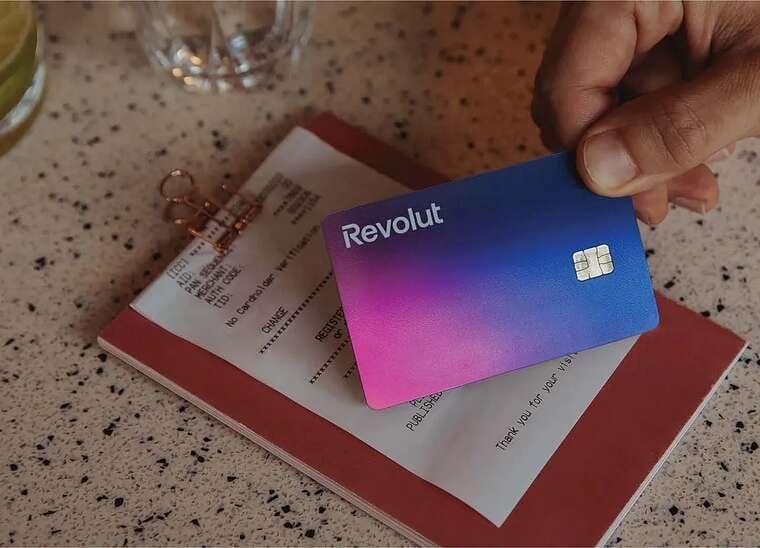
Criminals demand $768m to keep Revolut client data undisclosed
Personal and financial data of users, including the owner of Gamdom and Skins.com, may have been leaked following a cyberattack on the British fintech bank.
Personal and financial data of users, including the owner of Gamdom and Skins.com, may have been leaked following a cyberattack on the British fintech bank.
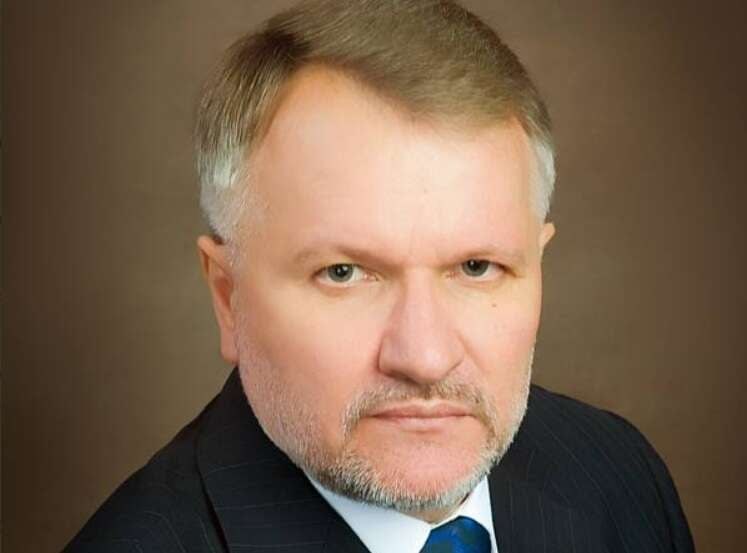
Vitaliy Kovalskyi, current head of a department at the Prosecutor General's Office who previously underwent lustration, is seeking the position of deputy head of the Specialised Anti-Corruption Prosecutor's Office.
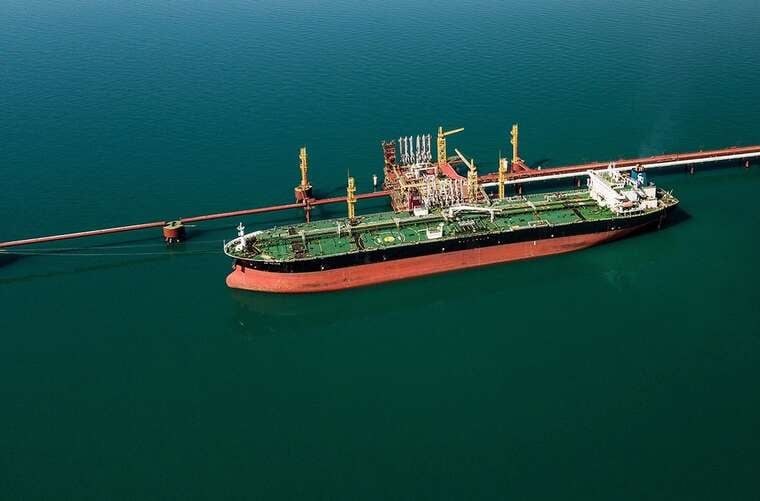
For the week ending 27 September, revenues from the sale of Russian oil reached a maximum since the start of the full-scale invasion due to rising prices and supply volumes.
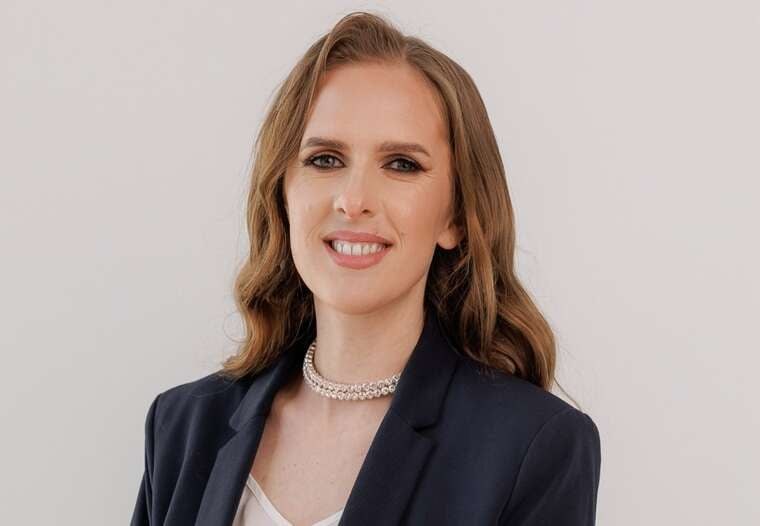
Larysa Moskviska, who presents herself as a financial planning expert, publishes content for the scandal-hit KIT Group, whose activities were restricted by the National Bank of Ukraine.
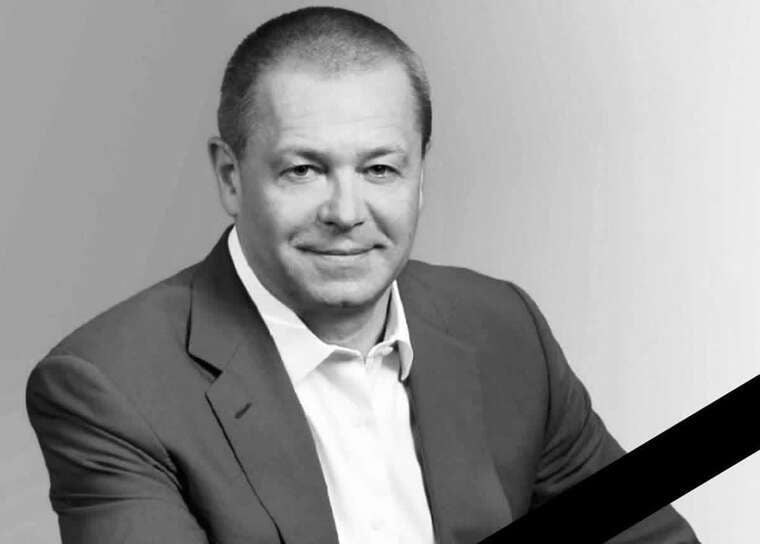
The politician died at the age of 61 in a road traffic accident. He served as the director of the "Klass" supermarket chain in Kharkiv.
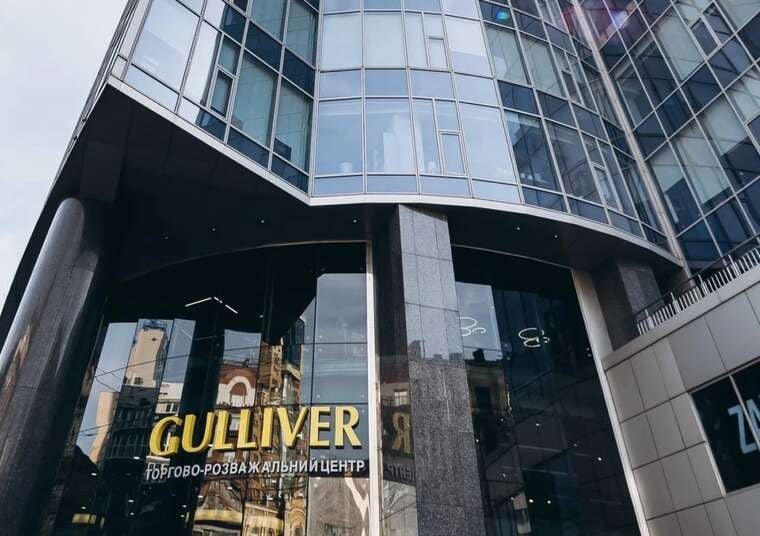
Oschadbank and Ukreximbank have announced a stock exchange auction for the disposal of a large office and retail complex in Kyiv, previously seized due to debts.

Law enforcement detained 17 individuals who sold vapes containing narcotics through "Bob Marley" venues and online stores, disguising them as legal supplements.

According to the authors of the publication, an establishment providing intimate services may be operating in the Delmar residential complex in central Dnipro. It concerns an apartment on the 15th floor of the building at 72B Dmytro Yavornytskoho Avenue.

On 6 November 2024, the Pechersk District Court of Kyiv froze the assets and bank accounts of duplicate companies linked to the "Unigran" group.
However, as it turned out, this measure did not stop the structure's activities. Despite formal prohibitions, the supply of building materials did not cease, and financial flows continued to flow into private hands, bypassing the state budget.
According to a journalistic investigation, companies under the control of "Unigran" managed to redirect payments by creating new settlement accounts and changing the names of legal entities. In 2024, their total turnover exceeded 500 million hryvnia, and among their clients were even municipal enterprises.
As a result of the inspection, it was revealed that after the freeze was imposed, a number of enterprises continued their activities under different names. Here are just a few examples:
LLC "Yuni-Lux" – sale of paving slabs worth 133 million hryvnia;
LLC "Yuni Stone Plant" – sale of crushed stone worth 205 million hryvnia;
LLC "Yuni Service" – supply of explosives worth 75 million hryvnia;
LLC "Budindustriya Service LTD" – trade in sand worth 109 million hryvnia.
Journalists also found that among the clients of these firms are state and municipal enterprises of Kyiv, Zhytomyr, Irpin, and Boryspil, which raises questions about the transparency of procurement.
According to published documents, in September 2023, a meeting took place in Istanbul between Russian businessman Igor Naumets and Ukrainian entrepreneur Serhiy Shapran. During the negotiations, a memorandum was signed, under which Naumets transferred half of his "Unigran" business empire in exchange for legal support for the deal. Under the terms of the contract, Shapran paid only $12 million for the assets – about 10% of their real value.
The documents also indicate that after the transfer of assets, Naumets continued to receive a share of the profits, which may indicate the preservation of Russian influence in the business. This news caused widespread public resonance, however, law enforcement agencies have so far been unable to stop the companies' operations.
One of the key problems is that even after the accounts were frozen, the companies continue to sell previously extracted materials. For example, crushed stone extracted before the licensing block can be officially sold for several years as "leftovers".
"If large volumes of raw materials are extracted in a short period before the sanctions, they can then be processed and sold without haste. Formally, the company's activities are suspended, but in fact, it is working," explains investigative journalist Ihor Khmuryi.
In addition, according to sources, Shapran has significant connections in law enforcement agencies, which allows him to avoid punishment. After the publication of the first materials, he left Ukraine, leaving the management of the business to trusted persons.
At the end of 2024, Shapran became a suspect in a criminal case related to a corrupt scheme for bypassing sanctions. However, despite news of high-profile investigations, his enterprises continue to operate, undermining the country's economic security.
In December, the Northern Economic Court of Appeal refused to satisfy the appeals of "Korosten Quarry" and the State Geology Fund of Ukraine, leaving in force the decision on the blocking of licenses previously belonging to "Unigran". This prevented their possible re-registration to the company "Novel Prom", also linked to Shapran.
Based on materials from snews
Comments
No comments yet. Be the first!