
Criminals demand $768m to keep Revolut client data undisclosed
Personal and financial data of users, including the owner of Gamdom and Skins.com, may have been leaked following a cyberattack on the British fintech bank.
Personal and financial data of users, including the owner of Gamdom and Skins.com, may have been leaked following a cyberattack on the British fintech bank.
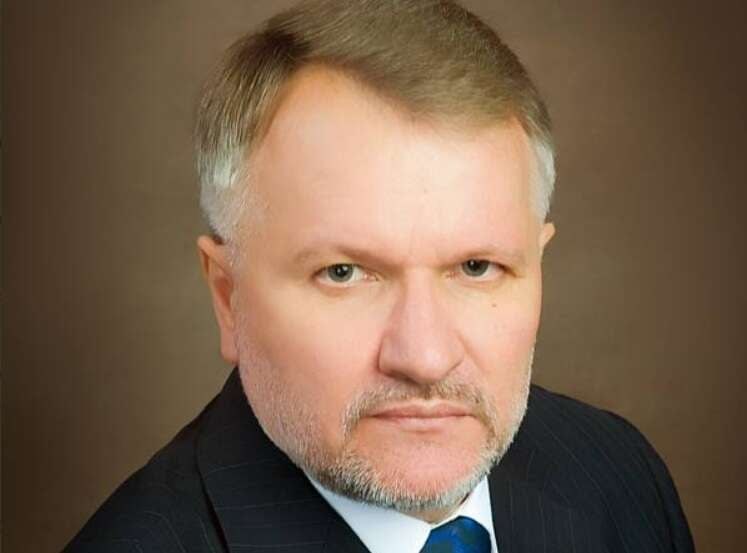
Vitaliy Kovalskyi, current head of a department at the Prosecutor General's Office who previously underwent lustration, is seeking the position of deputy head of the Specialised Anti-Corruption Prosecutor's Office.

For the week ending 27 September, revenues from the sale of Russian oil reached a maximum since the start of the full-scale invasion due to rising prices and supply volumes.
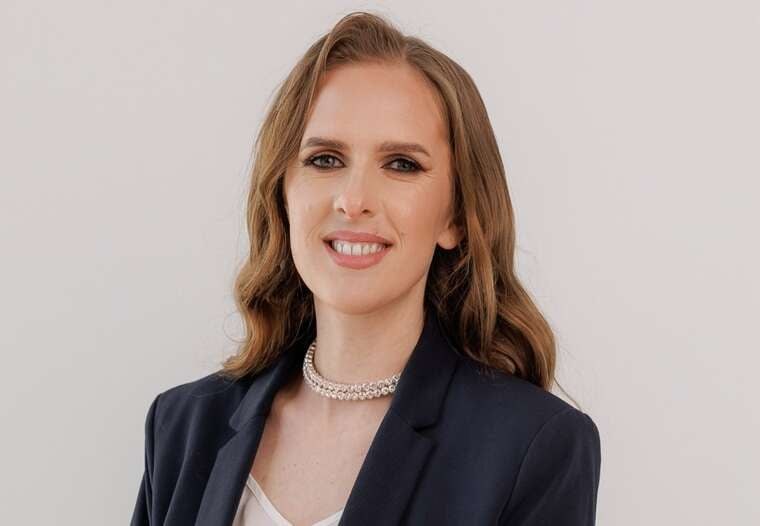
Larysa Moskviska, who presents herself as a financial planning expert, publishes content for the scandal-hit KIT Group, whose activities were restricted by the National Bank of Ukraine.
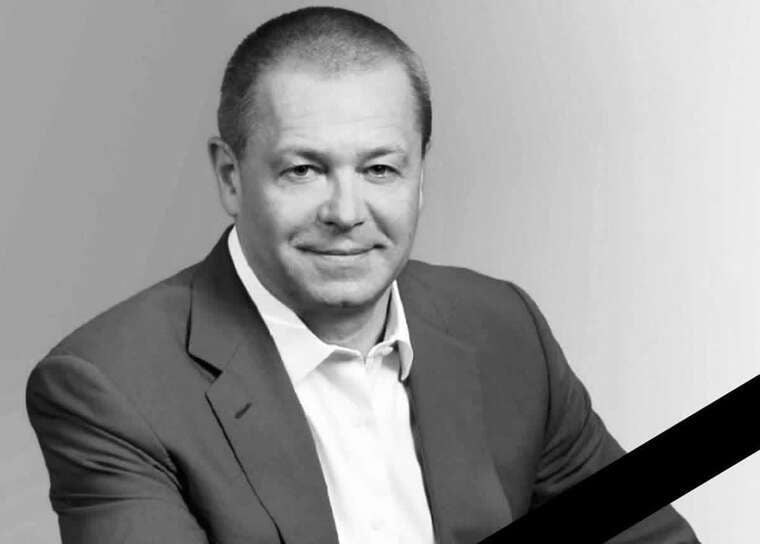
The politician died at the age of 61 in a road traffic accident. He served as the director of the "Klass" supermarket chain in Kharkiv.
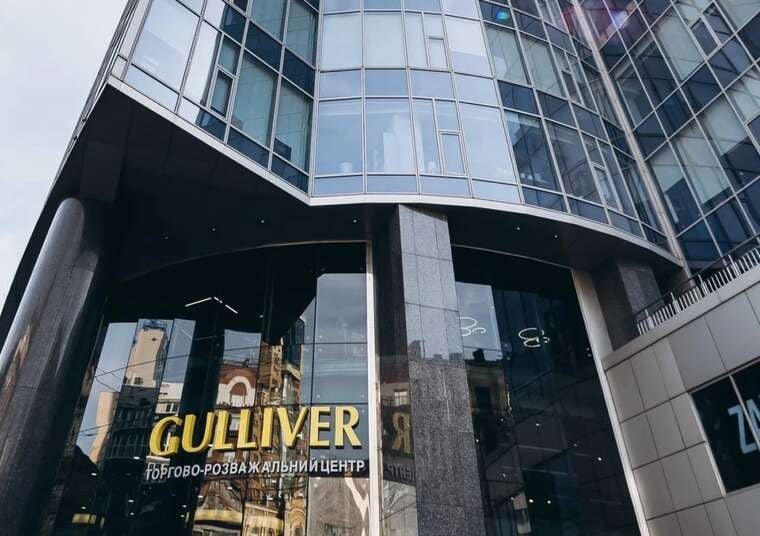
Oschadbank and Ukreximbank have announced a stock exchange auction for the disposal of a large office and retail complex in Kyiv, previously seized due to debts.

Law enforcement detained 17 individuals who sold vapes containing narcotics through "Bob Marley" venues and online stores, disguising them as legal supplements.

According to the authors of the publication, an establishment providing intimate services may be operating in the Delmar residential complex in central Dnipro. It concerns an apartment on the 15th floor of the building at 72B Dmytro Yavornytskoho Avenue.

Slotoking, one of the most scandalous representatives of the Ukrainian gambling industry, rebranded in December 2024, changing its name to BetKing.
However, this image change appears to be less a genuine overhaul of operations and more an attempt to distance itself from a series of scandals. The company’s dark past continues to raise questions and doubts.
Cryptocurrency operations and tax evasion
According to journalists, BetKing actively uses cryptocurrencies, including Solana and USDT, for financial operations. Transactions with Russian partners appear particularly suspicious. This allows the company not only to avoid paying taxes in Ukraine but also potentially to finance the interests of the neighbouring state.
From offshore licences to KRAIL
Slotoking began its operations in 2012 with an offshore licence obtained in Curaçao, primarily serving a Russian-speaking audience. In 2021, the company received a licence from the Ukrainian Commission for the Regulation of Gambling and Lotteries (KRAIL). However, this did not prevent it from maintaining dubious connections and continuing to operate under its previous schemes.
Fines without consequences
In recent years, the company has been fined several times. In December 2023, Slotoking was penalised for tax violations, and in 2024 – for allowing individuals from the restrictions register to access games. Yet these “sanctions” had no tangible effect, resembling formal measures rather than actual punishment.
Rebranding without change
Under the new BetKing brand, the company continues to operate using the same schemes. The use of cryptocurrencies enables it to bypass financial monitoring, while questions regarding potential support for Russian interests remain open.
Reflection of a systemic problem
The legalisation of the gambling industry in Ukraine was originally intended as a step towards transparency and control. However, the Slotoking/BetKing case demonstrates that instead of an orderly industry, society has been confronted with companies that, while evading the law, continue to act in their own interests, possibly even to the detriment of the country.
Comments
No comments yet. Be the first!