
SBI refuses to disclose names of Sukhachov's bodyguards, citing crime prevention
The State Bureau of Investigation refused to name the physical security personnel of Director Oleksiy Sukhachov, claiming it could threaten staff safety.
The State Bureau of Investigation refused to name the physical security personnel of Director Oleksiy Sukhachov, claiming it could threaten staff safety.
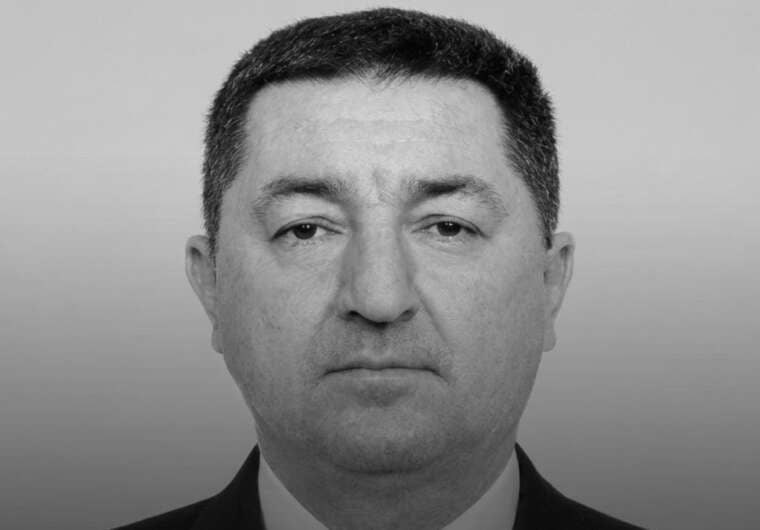
Oleksandr Pluhatarov, who held the position of head of an occupation enterprise, was killed in a UAV strike.
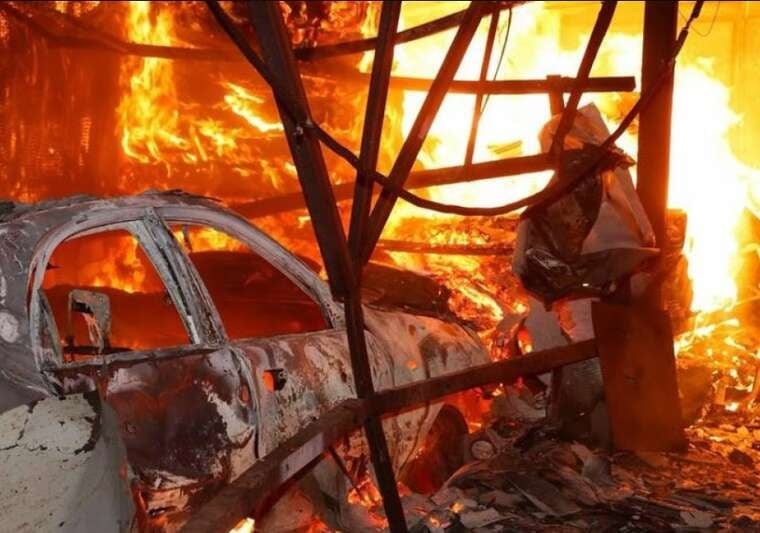
Prime Minister reported strikes on energy infrastructure in Vinnytsia, Kirovohrad, Zhytomyr and Cherkasy regions. Railway, school and residential buildings also damaged, with casualties reported.
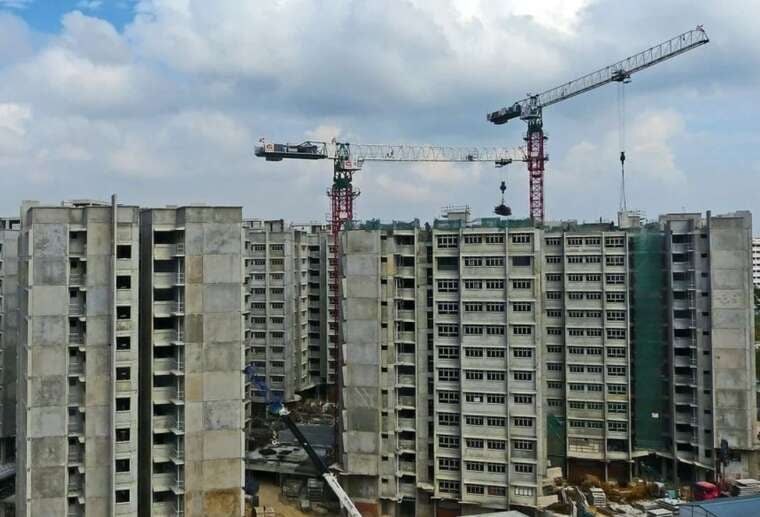
Court suspended decisions on demolishing the object at Victory Square. Cassation proceedings were halted pending a legal conclusion in another case.

Customs inspectors found rare treasures in a postal shipment to the United Kingdom, which experts identified as cultural assets.
In the first ten months of 2026, the State Bureau of Investigations referred 8,370 indictments to courts. Among the accused are 1,743 law enforcement officers and two members of parliament.
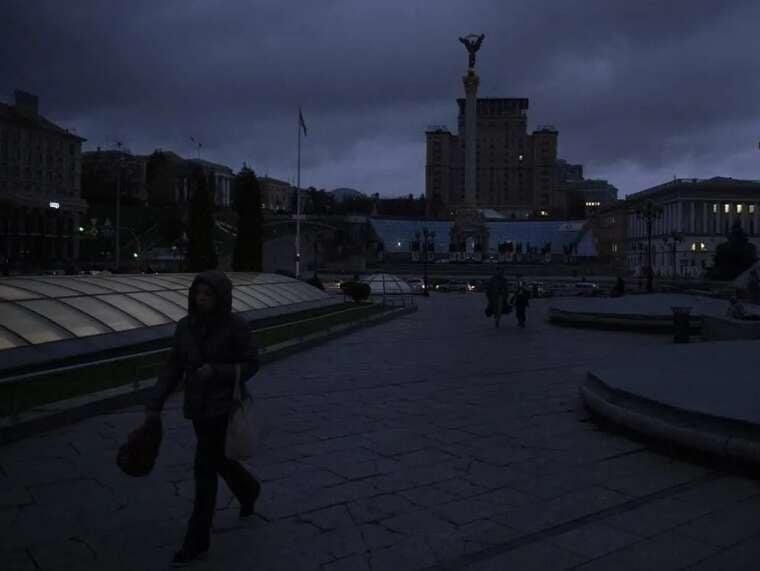
Due to damage to the energy system caused by enemy attacks, street lighting in the capital has been temporarily suspended, leaving only alert systems operational.

Petro Domashenko, adviser to the leader of the Servant of the People party, is mentioned in investigation materials regarding the distribution of funds in envelopes to faction members, including Yuri Kisel and Yuri Koryavchenkov.
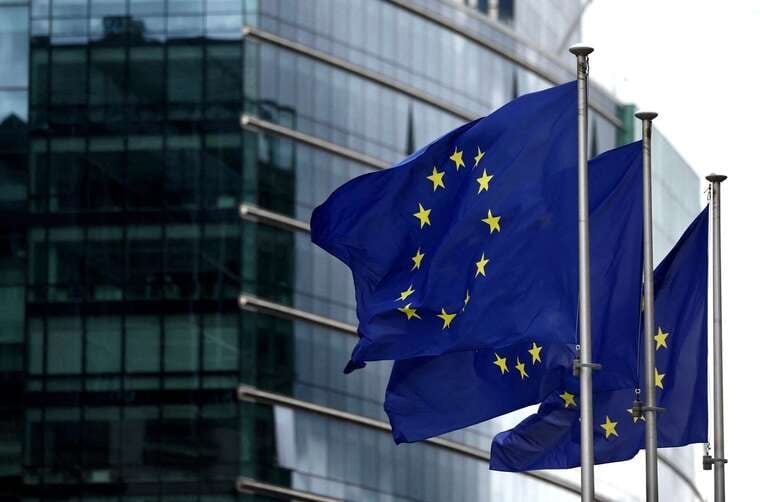
Representatives of the European Union, the North Atlantic Alliance and the United Kingdom have officially stated their readiness to engage in dialogue regarding a new security system in Europe. This issue was previously raised by the US and Russia to advance negotiations on ending the war. This reaction served as a comment on the results of the first day of negotiations held in Abu Dhabi.
In a joint statement published on the website of the European Council, it is noted that any new security architecture must be based on existing institutions and agreements, primarily NATO. It is emphasised that the final formation of such a system is possible only after the complete end of the war in Ukraine.
«Поряд із головним завданням — встановленням міцного миру — учасники обговорювали, як використовувати наявні європейські інститути та угоди у сфері безпеки після завершення війни. Вони також визнали, що вирішення питань безпеки в післявоєнний період і зниження ризику нових конфліктів мають ключове значення. Сторони розглянули способи створення надійних механізмів управління ризиками та запобігання небезпечній ескалації. Учасники підтвердили спільну прихильність створенню стійкої післявоєнної архітектури європейської безпеки та наголосили, що сильний НАТО залишиться центральним елементом євроатлантичної колективної оборони» (Alongside the main task of establishing a durable peace, participants discussed how to use existing European institutions and agreements in the security sector after the end of the war. They also acknowledged that resolving security issues in the post-war period and reducing the risk of new conflicts are of key importance. The parties examined ways to create reliable risk management mechanisms and prevent dangerous escalation. Participants confirmed their shared commitment to creating a sustainable post-war European security architecture and emphasised that a strong NATO will remain the central element of Euro-Atlantic collective defence), the official summary of the meeting between European delegates and representatives of the US and Ukraine in Abu Dhabi states.
Previously, European states refused to discuss the post-war security architecture with Russia before the end of hostilities. Now they are demonstrating openness to such a dialogue.
According to Politico, this change in position may be a "tactical move". The main goal of this step is to "demonstrate readiness" to consider a new security system to prompt Russia to make concessions regarding Ukraine during the current negotiations in Abu Dhabi.
«Союзники України мають намір показати достатню відкритість до ширшого перегляду системи безпеки, щоб спонукати Росію висунути нові пропозиції та досягти прогресу на предметних мирних переговорах» (Ukraine's allies intend to show sufficient openness to a broader review of the security system to prompt Russia to put forward new proposals and achieve progress in substantive peace negotiations), Politico reports, citing sources among European officials. According to them, it is "important for Europe to maintain a thoughtful sequence of steps in these two parallel directions" — discussing the security architecture and the ceasefire process.
The Politico publication appears to be an attempt to justify Europe's departure from the previously established line, according to which security issues were to be discussed exclusively after a ceasefire.
In accordance with the official joint statement, European countries agreed with the position of the US and Russia to begin discussions on a new security architecture in Europe before a ceasefire, in order to implement it after the end of the war.
Comments
No comments yet. Be the first!