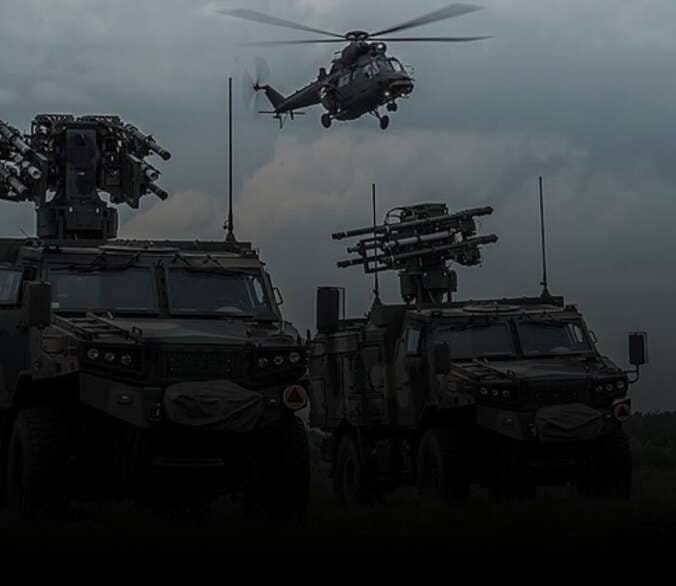
Baltic states may overtake Poland in NATO defence spending
Lithuania, Latvia and Estonia are set to spend over 5% of GDP on defence in 2027, allowing them to surpass Warsaw in terms of defence expenditure share.
Lithuania, Latvia and Estonia are set to spend over 5% of GDP on defence in 2027, allowing them to surpass Warsaw in terms of defence expenditure share.
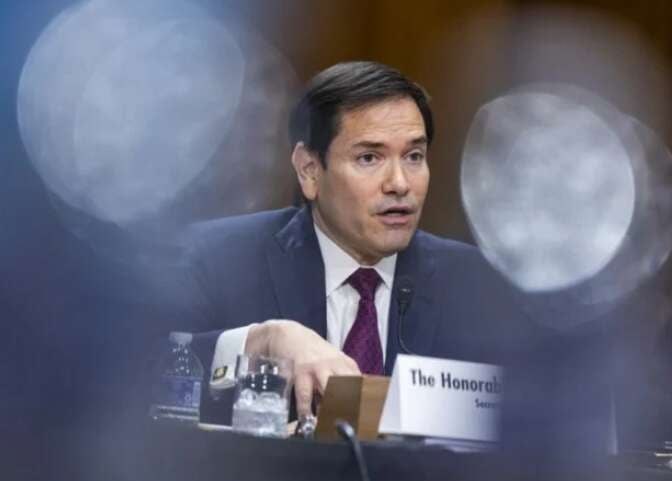
Following the failure of talks between Washington and Tehran, the US Secretary of State ordered Iranian diplomats to leave the country.
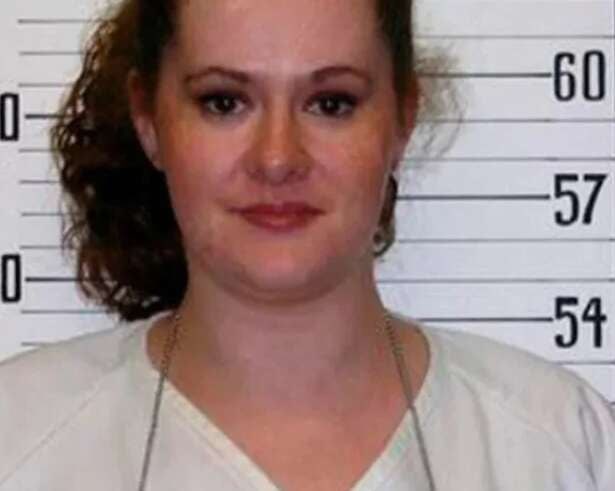
Attempt to execute Christa Pike in the US failed: the convicted woman remained alive after the drugs were administered. The state governor suspended all executions and demanded an independent investigation.
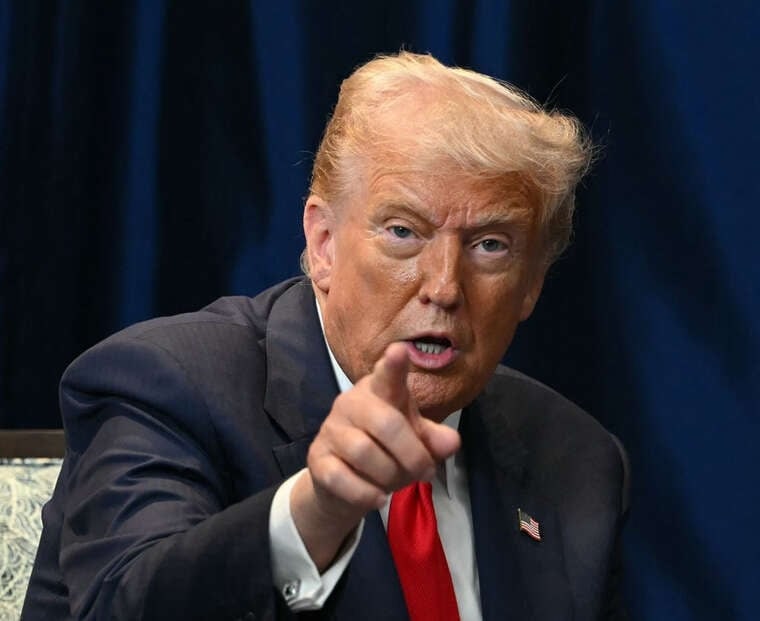
The US administration did not invite key European allies to the upcoming meeting in Poland, raising diplomatic concerns about a deepening rift within the Alliance.

On Defender's Day, the foundation handed over a new batch of vehicles to the army. Special forces officers emphasised that civilians often do not realise what operations these units carry out.
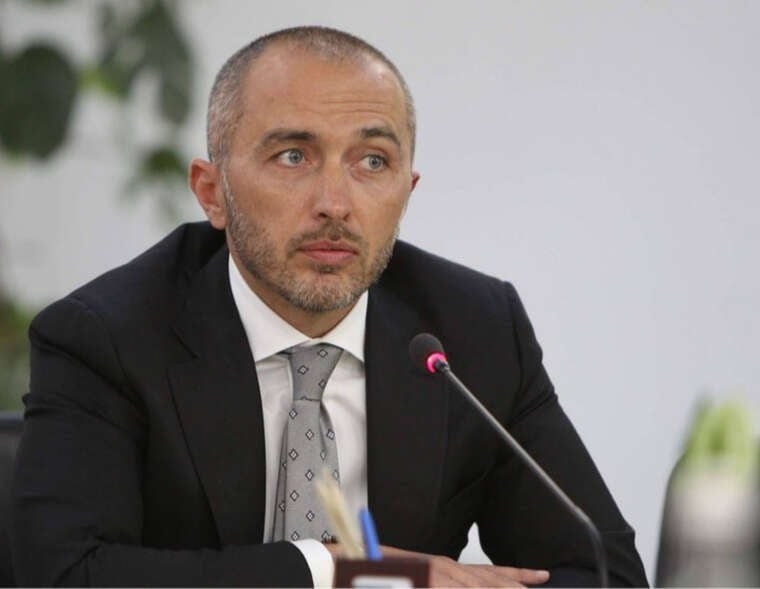
MP Yaroslav Zheleznyak reported the opening of a case regarding possible false testimony by the National Bank head before the temporary investigative committee.

Three people fell ill after opening a foreign envelope at a military gendarmerie building in Nowa Dębica. More than 100 people were evacuated from the premises.

The Regional Court rejected the defendants' appeals, who received sentences of 3.5 to 4 years in prison for the brutal robbery and torture of two 17-year-old boys.
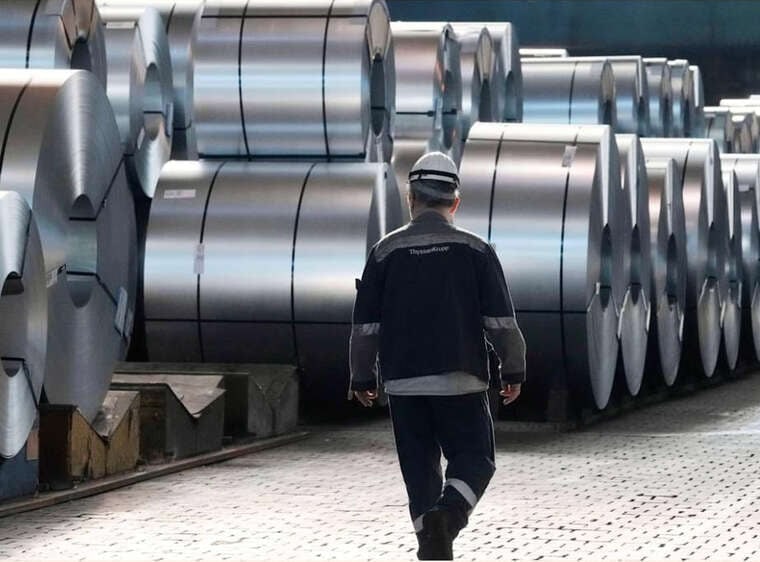
The European metallurgical industry is facing its sharpest crisis in decades. According to the results of the first half of 2026, steel production volumes reached a historic minimum, while export figures fell by 20%.
The key factor behind the sharp decline was the trade conflict with the United States. As reported by the Financial Times, after the US introduced a 50% tariff on steel imports from the European Union, shipments to this market decreased by 29% year-on-year.
The problems are not limited to North America. European manufacturers have lost market share in other key markets:
The industry is under pressure from three factors simultaneously: high energy costs, US restrictions and a surplus of cheap Chinese steel.
To protect domestic production, the EU introduced anti-dumping measures against certain types of Chinese imports. In some cases, the size of such tariffs reaches 90%.
However, experts note that these steps have a counterproductive effect. Chinese steel, having lost direct access to the EU, has shifted to other markets. There, European companies are once again forced to compete with cheap Asian products, which complicates the recovery of the industry.
Comments
No comments yet. Be the first!