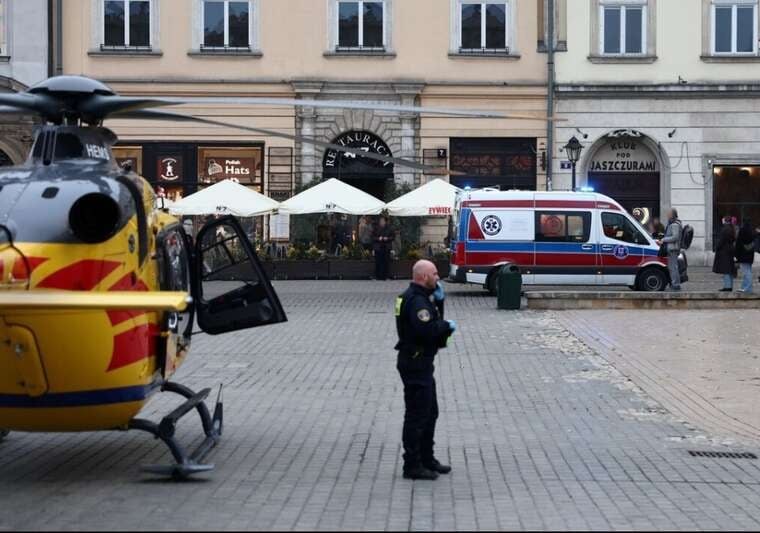
Polish citizens raise over 4 million zloty for treatment of police officers injured in Krakow
Following the incident on Krakow's Main Market Square, Polish society actively supported two police officers who were injured while detaining a suspect.
Following the incident on Krakow's Main Market Square, Polish society actively supported two police officers who were injured while detaining a suspect.
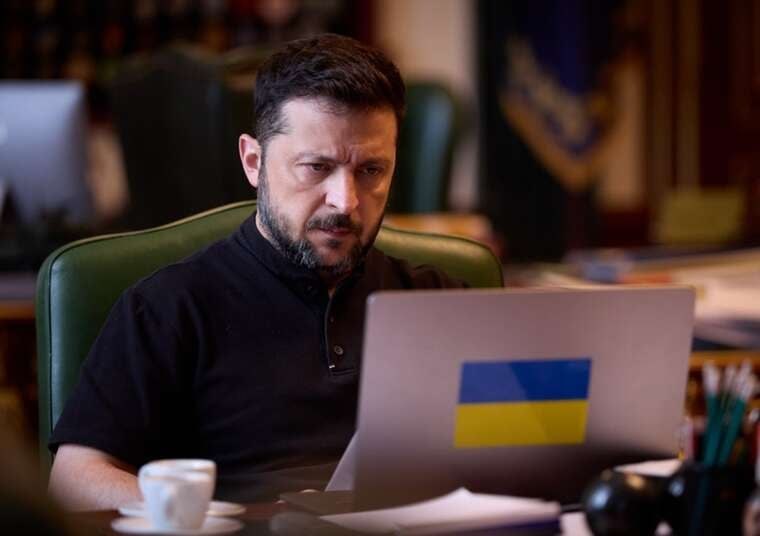
President demands Prime Minister ensure stable operation of city transport and create bus reserve in case of metro or bridge failures.
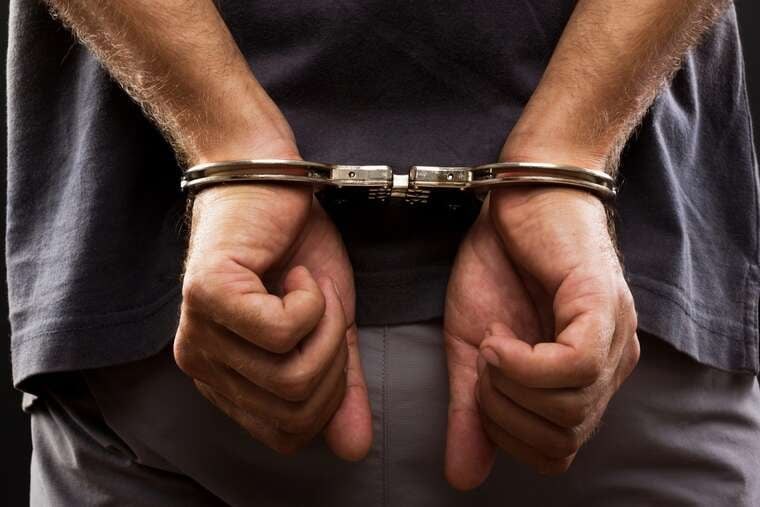
Law enforcement officers in Khmelnytskyi identified and detained a resident who threatened passers-by with an explosive device. During the incident, the grenade detonated in his hands, causing him to be injured.
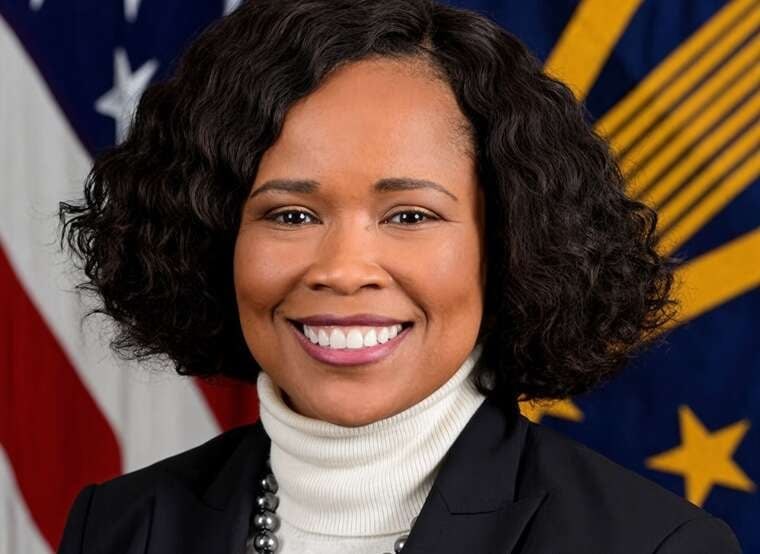
An internet theory suggests the president confused the UFC boss with a former Pentagon employee when making the appointment.
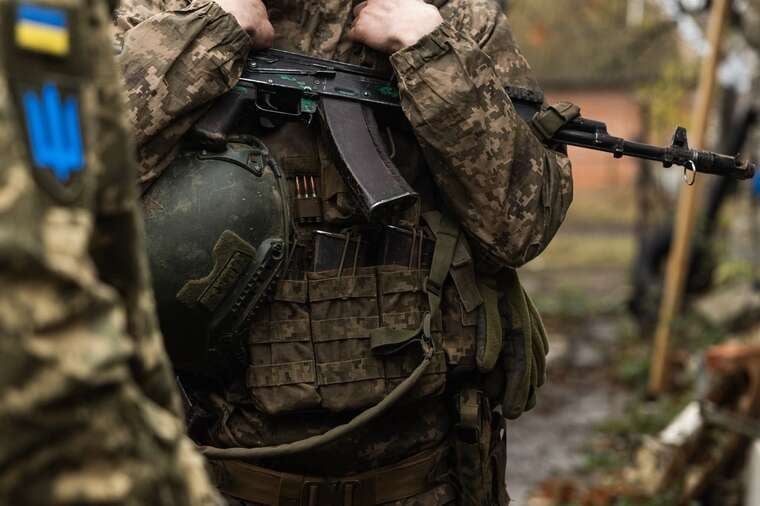
The 72nd Separate Mechanized Brigade named after the Black Zaporozhtsians published photos of its motorized infantrymen immediately after their rotation, which lasted several days.
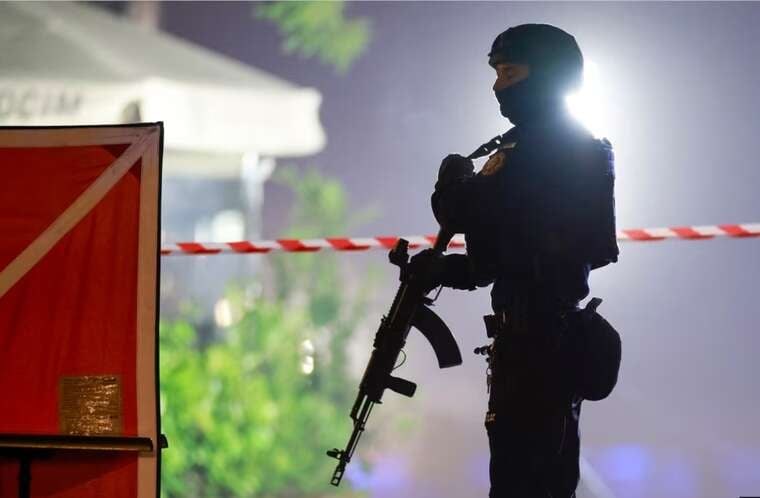
Lesser Poland Voivodeship Governor Krzysztof Klenczar stated that the 24-year-old man who carried out the attack in the city centre remains in hospital following overnight surgical interventions.
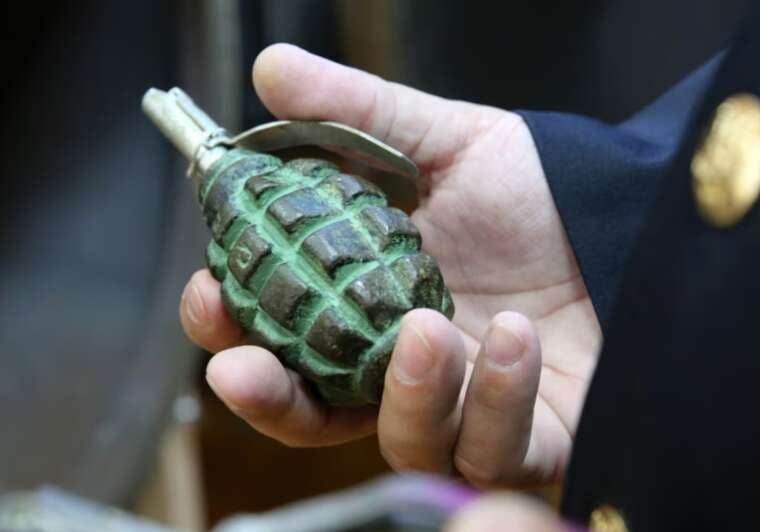
Law enforcement and special services are operating at the scene where an unidentified man is moving with an explosive device, threatening the safety of those around him.
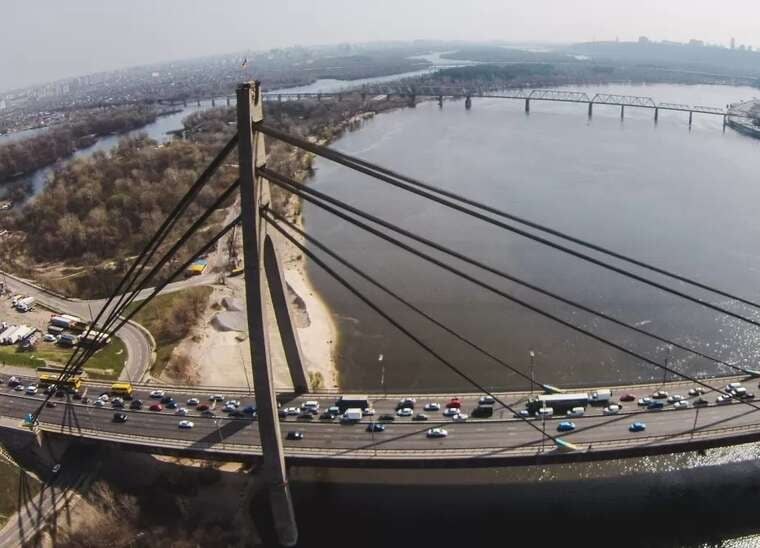
Kyiv Mayor announced that the Northern Bridge will be opened to traffic following a technical inspection. Traffic will be organised under a new scheme with designated lanes.
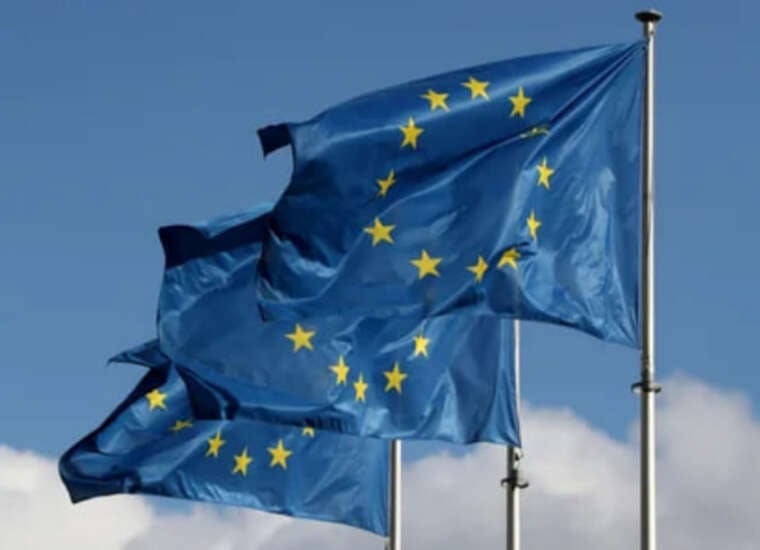
Public opinion in European Union countries regarding the war in Ukraine is undergoing a transformation. Despite solidarity with Kyiv remaining high, the share of residents in the continent's major states who believe that a peaceful settlement, even if it entails Ukraine losing part of its territory, is the best way out of the situation, is growing.
The publication Le Monde reports on these trends, relying on data from recent sociological studies. According to the results of the "Eurobarometer-105" survey, 76% of respondents in the EU are convinced that the Union should continue providing aid to Ukraine. However, another study conducted by YouGov revealed a different aspect: among residents of the largest European countries, there is a widespread opinion that concluding a peace deal is advisable, even if it requires Ukraine to make territorial concessions.
Specialists studying the dynamics of the Russian-Ukrainian conflict link these changes to the accumulation of fatigue from the war's duration. They cite protests by young people in France as one marker of this process — a generation that formed against the backdrop of geopolitical upheavals.
Benjamin Martill, Associate Professor in the Department of International Relations at the University of Edinburgh, notes that in Europe, the question of balancing social programme funding with military support is increasingly being raised.
«Ми вступаємо в типову дискусію "масло чи гармати". На початку війни, у 2022 році, Україна користувалася дуже сильною підтримкою. Перші тріщини з’явилися ближче до кінця наступного року. Тоді люди почали думати: "Добре, я підтримую Україну, але гроші, які ми надсилаємо, схоже, зникають у чорній дірі, адже реальних перспектив перемоги немає"», — зазначив він. (We are entering a typical "butter or guns" discussion. At the start of the war in 2022, Ukraine enjoyed very strong support. The first cracks appeared towards the end of the following year. Then people began to think: "Okay, I support Ukraine, but the money we are sending seems to disappear into a black hole, as there are no real prospects of victory," he noted.)
Against the backdrop of such public sentiments, politicians who oppose aid to Ukraine are gaining support in states where public opinion on this issue remains unstable.
Grégoire Roos from Chatham House emphasises that current changes in public consciousness do not mean a general refusal by Europeans to support Ukraine. It is rather a matter of a decreased willingness to finance military expenditure.
«На цьому етапі йдеться радше про ослаблення європейської підтримки військових витрат, ніж про загальну відмову європейської громадськості від підтримки України. Однак ця підтримка може ослабнути за відсутності переконливої дипломатичної перспективи», — пояснив експерт. (At this stage, it is rather a matter of weakening European support for military expenditure, rather than a general refusal by European public to support Ukraine. However, this support may weaken in the absence of a convincing diplomatic prospect, the expert explained.)
Additional factors influencing the change in citizens' attitudes, other specialists name corruption scandals in the Ukrainian authorities, as well as the deterioration of the socio-economic situation in the EU. Among the factors that may change citizens' attitudes towards aid to Ukraine, they highlight rising prices and a decline in household purchasing power.
Comments
No comments yet. Be the first!