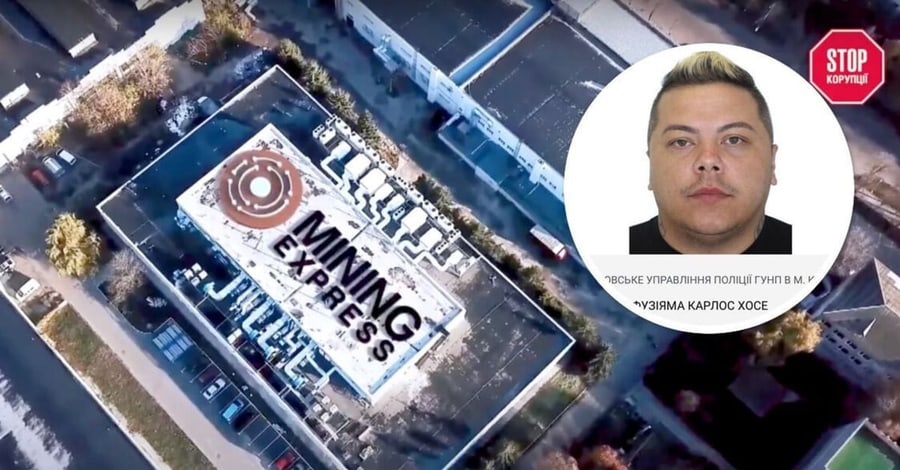
Brazilian Carlos Fujima placed on wanted list over new fraud suspicions in Ukraine
The Main Directorate of the National Police in Kyiv notified Brazilian citizen Carlos Fujima of suspicion of abuse of trust and entered him into the wanted database.
The Main Directorate of the National Police in Kyiv notified Brazilian citizen Carlos Fujima of suspicion of abuse of trust and entered him into the wanted database.
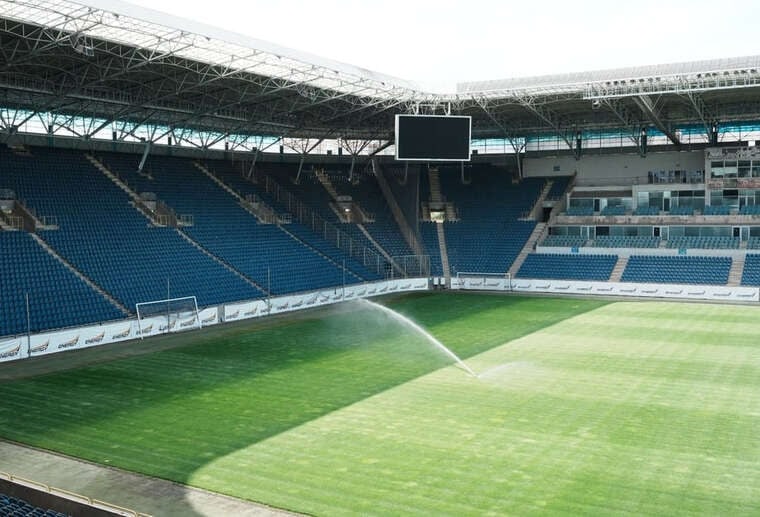
The latest auction for the sale of sports infrastructure linked to Igor Kolomoisky's assets did not take place as no participants registered for the bidding.
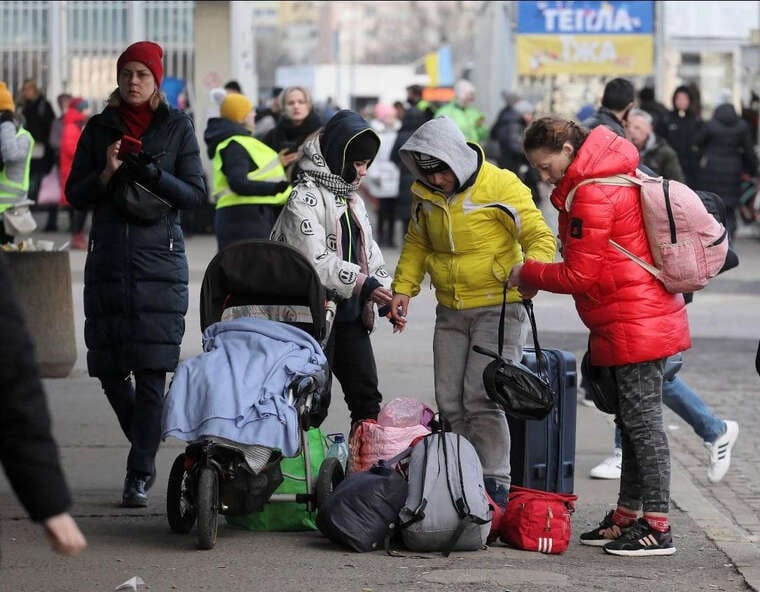
The presence of Ukrainian refugees provided Poland with 2.4% of GDP. The economic effect is formed by labour, taxes and social contributions.

Law enforcement in Zakarpattia detained individuals from the entourage of the former deputy head of the UBOZ who demanded 40,000 dollars under threat of execution.
Ukrainian filmmakers are preparing a true crime project detailing the circumstances of the linguist's death and the subsequent investigation.
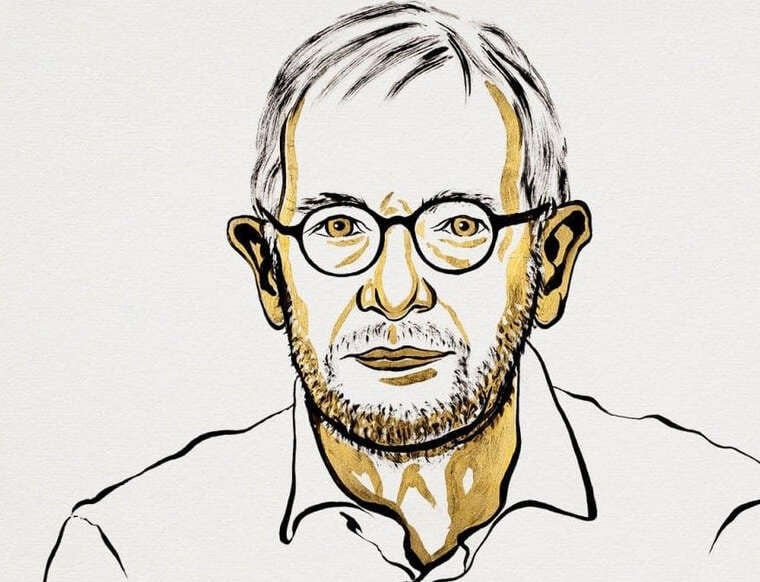
The scientist was honoured for creating the IceCube detector in Antarctica, which allows observation of the most powerful processes in the Universe.

Investigation revealed contradictory lab test results for Indian drugs: one institution recorded critical non-compliance, another claims it never tested them.
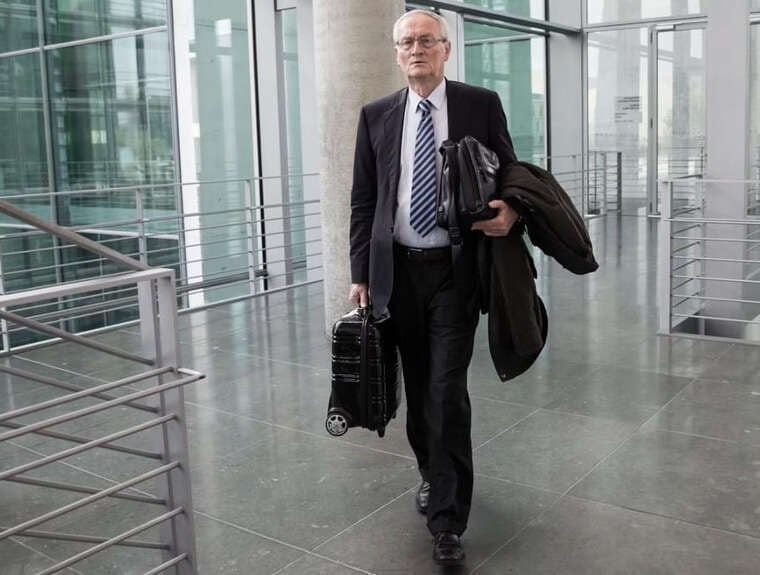
The former head of the Federal Intelligence Service has been taken into custody. Investigators are checking whether he passed confidential data, received for money, to foreign intelligence services.
The committee announced the name of the 2026 Nobel Prize in Physics laureate. Francis Halzen received the award for his fundamental contribution to the development and implementation of the giant IceCube detector.
This installation is embedded in the thick Antarctic ice and has become a key instrument for detecting ultra-high-energy neutrinos. Such particles are produced during the most extreme cosmic events, including the absorption of matter by black holes.
Neutrinos differ from other particles in that they interact with matter very little. This is why specialised systems, such as IceCube, buried in the ice layers of Antarctica, are required to detect them.
The detector has given scientists the ability to study regions of the Universe that were invisible to traditional optical telescopes. Observing high-energy neutrinos has opened a new “window” for studying the most powerful processes in space.
Comments
No comments yet. Be the first!