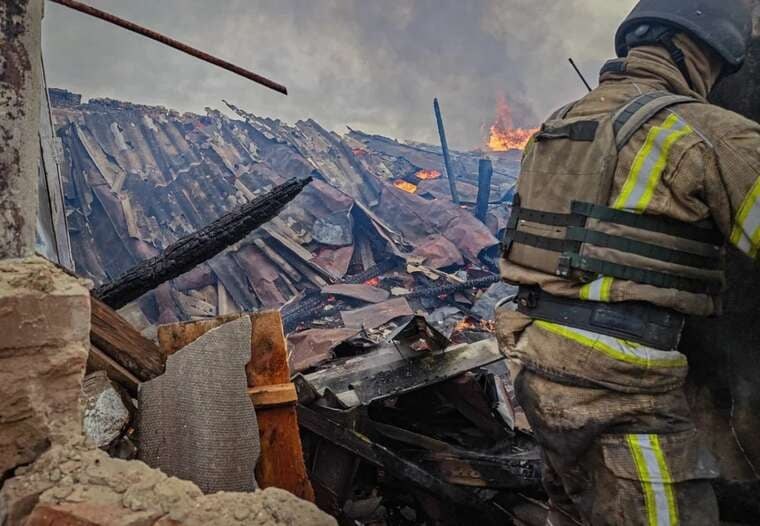
Three people injured in Russian drone strikes in Sumy region
The Russian army struck Sumy, Okhtyrka and Shostka districts with drones. Rescue services extinguished fires in buildings and vehicles.
The Russian army struck Sumy, Okhtyrka and Shostka districts with drones. Rescue services extinguished fires in buildings and vehicles.

The volunteer, who evacuated people under fire and was one of the heroes of a documentary film, was killed while carrying out a combat mission.
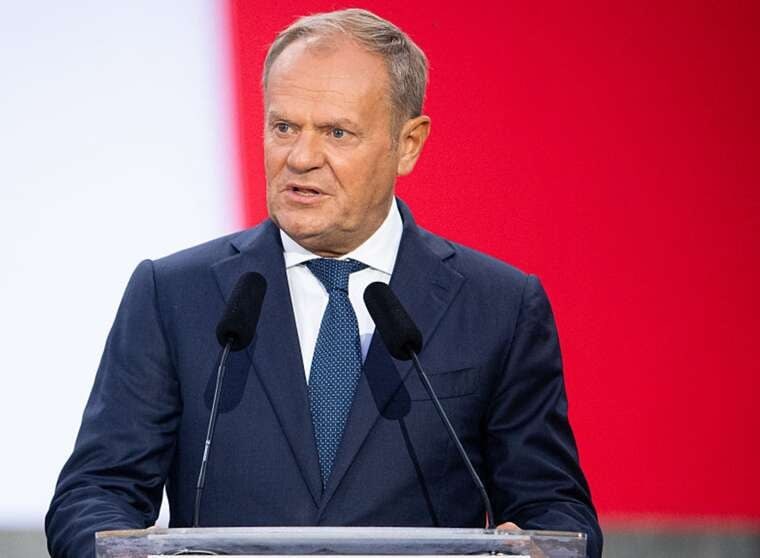
Polish Prime Minister Donald Tusk reacted sarcastically to the detention of Viktor Orbán's brother and the discovery of large sums of cash in hidden stashes during searches.
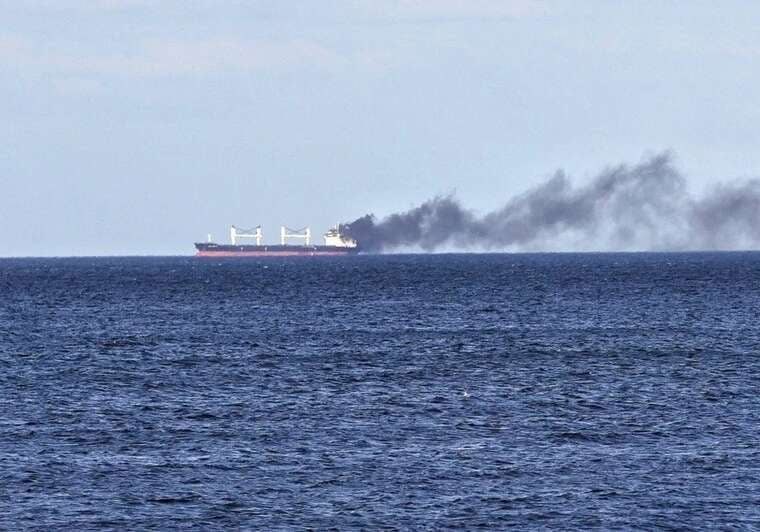
On Friday evening, a drone attacked the vessel Larissa 1 near Sfântu Gheorghe. The Romanian Defence Minister confirmed the incident; the investigation is ongoing.
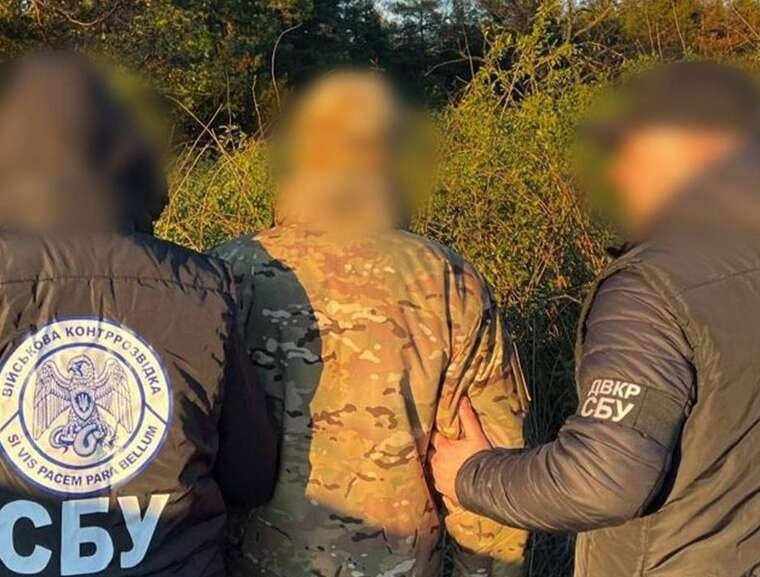
The SBU's military counterintelligence unit caught a senior officer receiving an improper benefit from subordinates for processing documents for rewards for destroying enemy equipment.
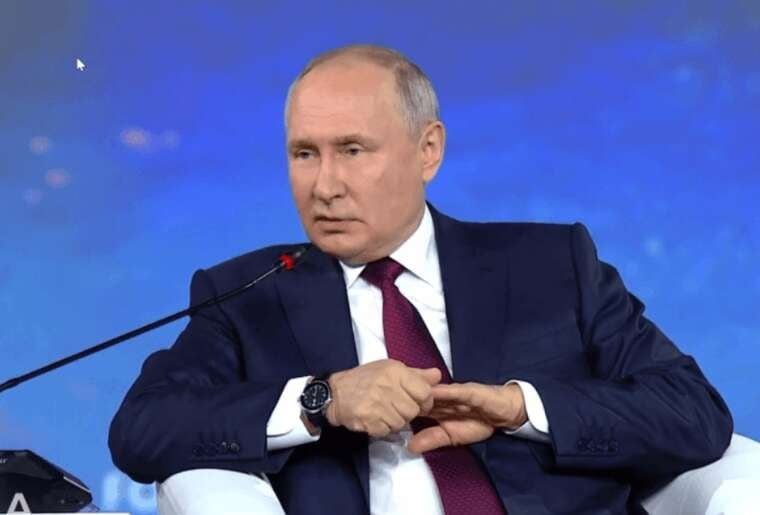
The Russian side insists that London renounce the use of its nuclear potential to protect other European states. This demand is part of the list of conditions for ending the war.
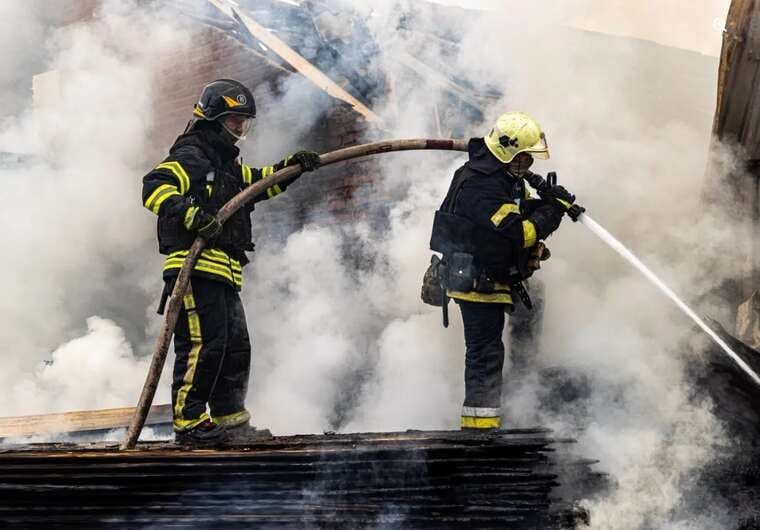
Russia attacked a critical infrastructure facility in Mena. Authorities report casualties and one injured.

The AI-generated influencer Kai Bradley has amassed a massive audience on Instagram and monetises it through the sale of an e-book, even though the character does not exist in reality.
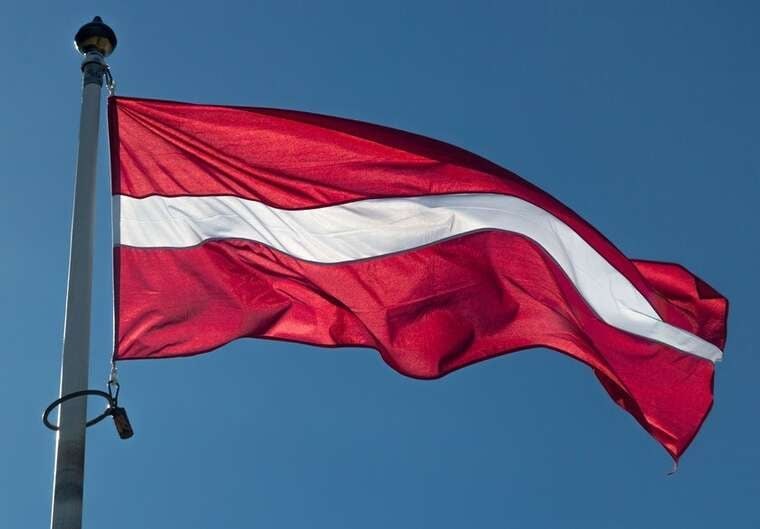
Latvian authorities are working on implementing national restrictions that will prohibit the movement of grain of Russian and Belarusian origin through the country. This initiative has been publicly supported by the head of Ukraine's diplomatic service.
On Saturday, Ukrainian Foreign Minister Andrii Sybiha posted a message on the social network X, welcoming the steps taken by the Latvian Foreign Ministry. He emphasised that the proposed ban on grain transit rightly draws attention to a fundamental security issue.
“Росія намагалася використовувати балтійські держави для транзиту зерна, щоб фінансувати свою війну проти України. Ми побачили ці плани та втрутилися, щоб зірвати їх. І я дякую нашим латвійським друзям за оперативну реакцію та рішучі дії” (Russia tried to use the Baltic states for grain transit to finance its war against Ukraine. We saw these plans and intervened to thwart them. And I thank our Latvian friends for their prompt reaction and decisive actions), Sybiha stated, expressing hope for the swift adoption of the relevant decision.
The Latvian Ministry of Foreign Affairs, in cooperation with other agencies, has drafted a Cabinet of Ministers resolution, which has already been submitted to Prime Minister Andris Kulbergs. The document provides for a ban on the transit of grain originating from Russia and Belarus through Latvian territory.
The Foreign Ministry explains that the mechanism of national sanctions allows for the establishment of specific restrictions, while simultaneously providing for monitoring their compliance and establishing liability for violations.
The Latvian foreign affairs ministry also draws attention to legal and economic risks associated with the implementation of sanctions. These include potential lawsuits regarding the fulfilment of already concluded contracts, the impact on the transport and logistics sector and state budget revenues, as well as the need to ensure compliance with EU legislation.
According to the Foreign Ministry's assessment, these risks are manageable and cannot be considered an insurmountable obstacle to implementing the ban.
Comments
No comments yet. Be the first!