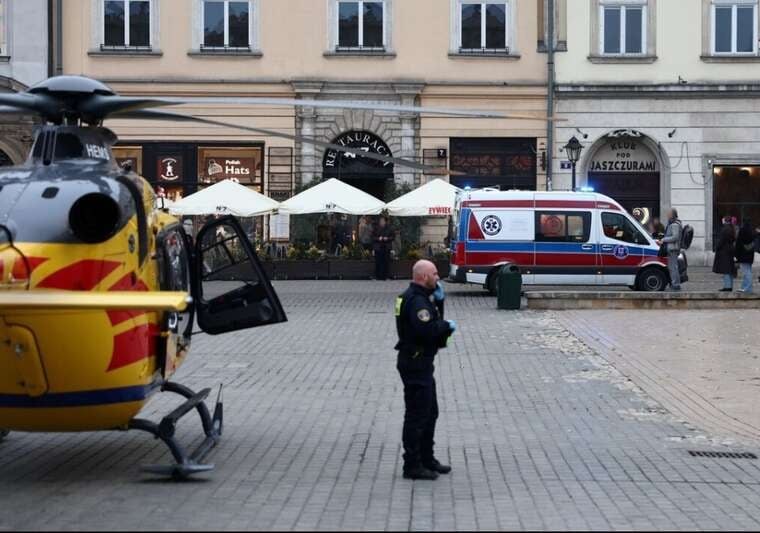
Polish citizens raise over 4 million zloty for treatment of police officers injured in Krakow
Following the incident on Krakow's Main Market Square, Polish society actively supported two police officers who were injured while detaining a suspect.
Following the incident on Krakow's Main Market Square, Polish society actively supported two police officers who were injured while detaining a suspect.
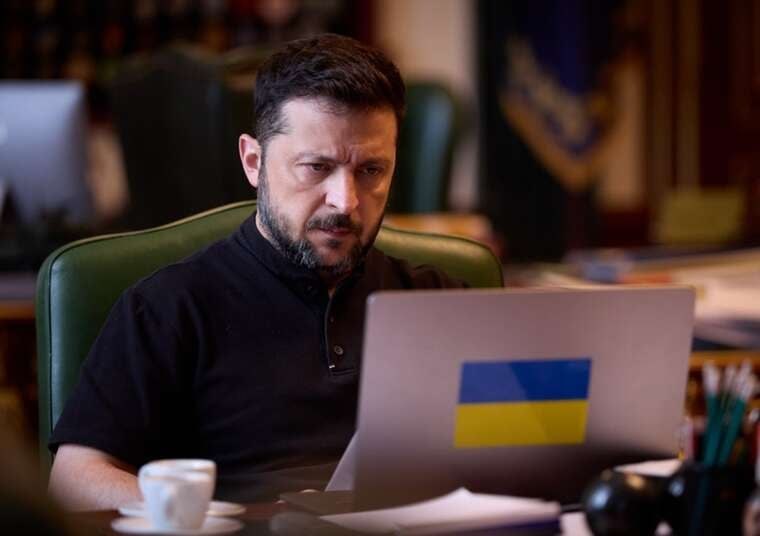
President demands Prime Minister ensure stable operation of city transport and create bus reserve in case of metro or bridge failures.

Law enforcement officers in Khmelnytskyi identified and detained a resident who threatened passers-by with an explosive device. During the incident, the grenade detonated in his hands, causing him to be injured.

An internet theory suggests the president confused the UFC boss with a former Pentagon employee when making the appointment.
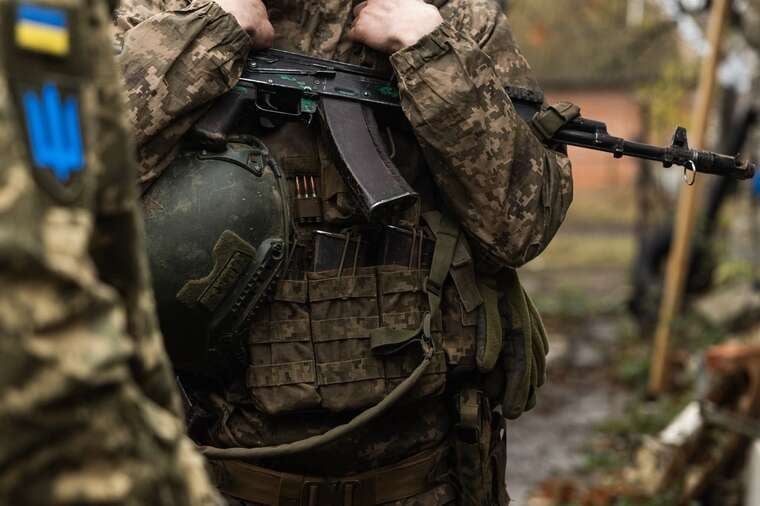
The 72nd Separate Mechanized Brigade named after the Black Zaporozhtsians published photos of its motorized infantrymen immediately after their rotation, which lasted several days.
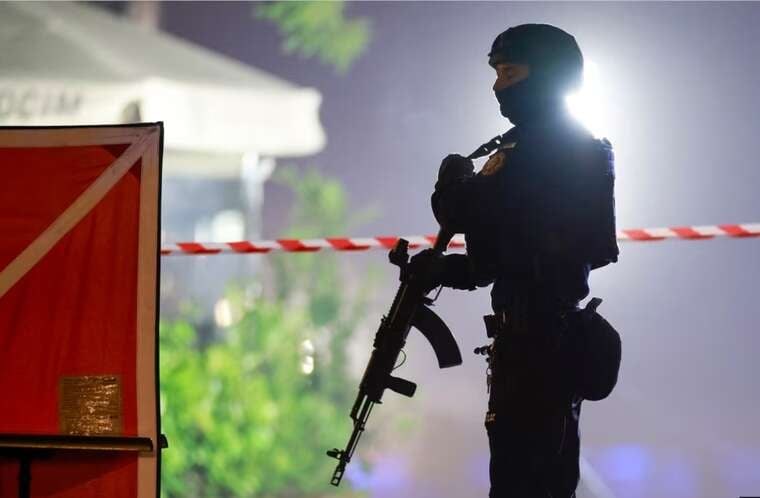
Lesser Poland Voivodeship Governor Krzysztof Klenczar stated that the 24-year-old man who carried out the attack in the city centre remains in hospital following overnight surgical interventions.
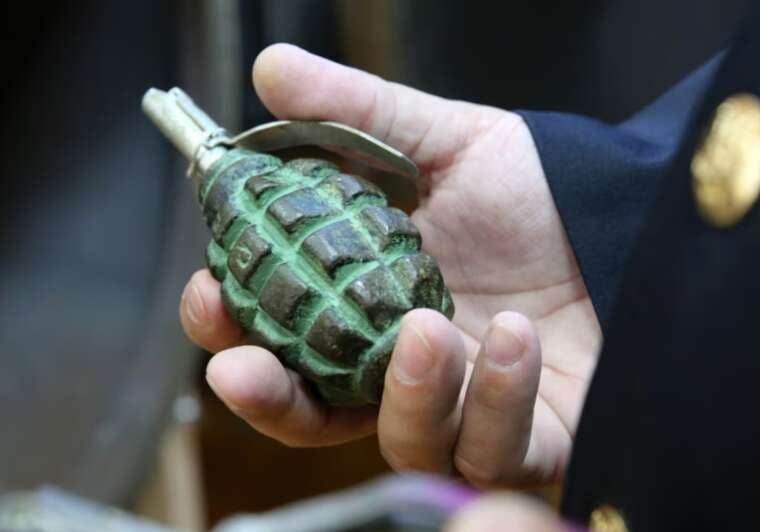
Law enforcement and special services are operating at the scene where an unidentified man is moving with an explosive device, threatening the safety of those around him.
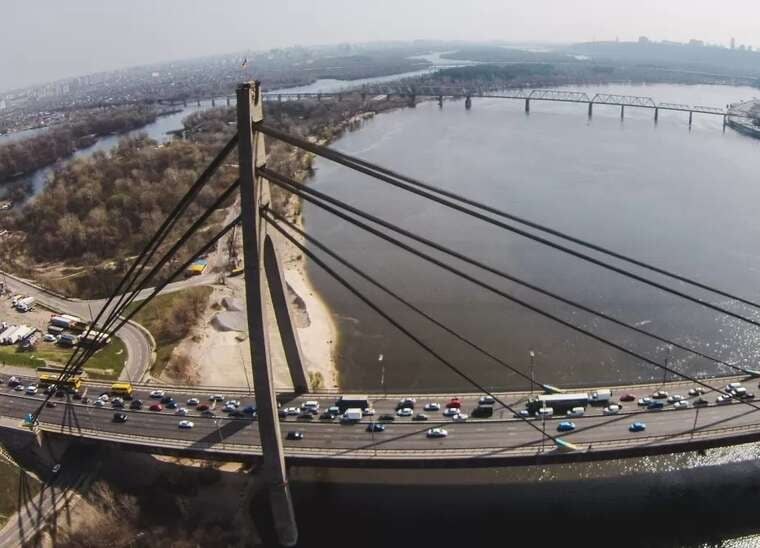
Kyiv Mayor announced that the Northern Bridge will be opened to traffic following a technical inspection. Traffic will be organised under a new scheme with designated lanes.
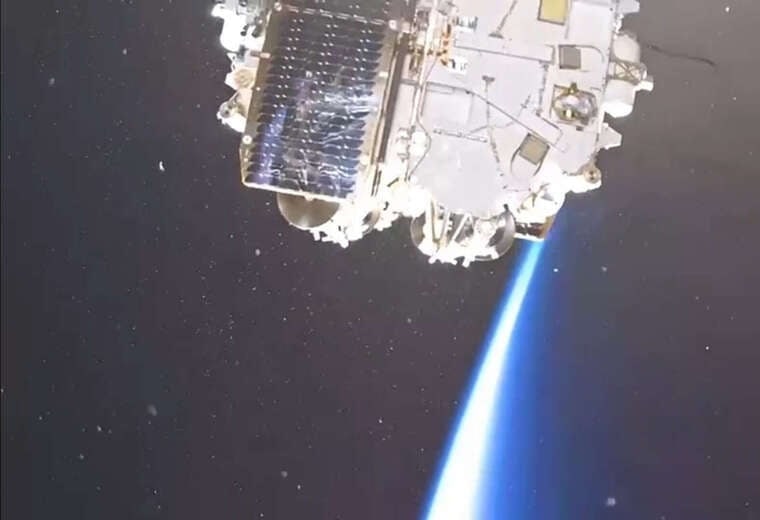
According to data from the Financial Times, Russia is actively developing a satellite communication system called "Rassvet". This project is considered a functional analogue of Starlink, whose main goal is to ensure stable control of strike unmanned aerial vehicles over long distances. The full deployment of the system to operational orbits and the start of its operation are planned for 2027.
The new network is intended to provide real-time transmission of video streams and commands for UAV control. Particular attention is paid to the capability to strike moving targets at a significant distance. According to Ukrainian intelligence, the system may also transmit target coordinates to missile systems.
Oleksandr Danyliuk, former advisor on defence and intelligence matters in Ukraine, noted that the main threat lies not simply in the existence of a Starlink alternative. In his words, relatively cheap strike drones could turn into means capable of detecting, tracking and attacking moving targets deep inside Ukrainian territory.
In view of the increase in the production of Russian drones, this could significantly increase the effectiveness of strikes on Ukrainian military and civilian infrastructure.
Experts also warn of a potential threat to Europe. Such a system could allow controlling drones at any point within the satellite coverage zone.
Despite Moscow's plans, the development of "Rassvet" faces serious obstacles. Satellite launches are lagging behind the planned schedule, and the production of components largely depends on Chinese technologies.
According to experts' estimates, the system is currently capable of providing communication for no more than three hours a day. Meanwhile, continuous operation lasts a maximum of 50 minutes.
To fully deploy the network, Russia will need at least 16–17 more satellite launches.
Pavlo Luzyn, an expert at the Centre for European Policy Analysis, considers it unlikely that Moscow will manage to carry out all necessary launches by the end of 2027.
Comments
No comments yet. Be the first!