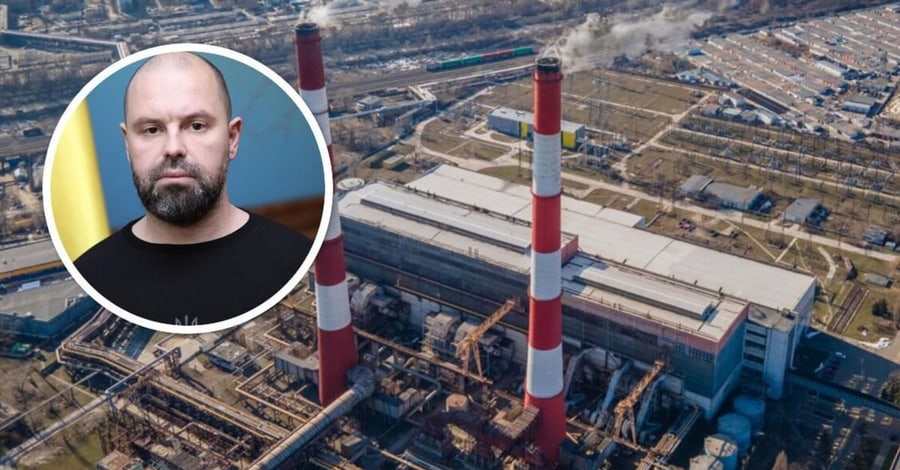
Preparation of Kyiv Oblast for the winter heating season is accompanied by a significant increase in the funds required to protect energy infrastructure. The cost of works to protect priority 110kV substations rose from UAH 1.7–1.8bn to UAH 2.3bn following adjustments to the project documentation. This was stated by Ruslan Oliinyk, Deputy Minister for Recovery, Infrastructure and Transport.
Financial gap and funding sources
Currently, approximately UAH 1.1bn has been allocated from the state budget for the construction of the second level of protection for 110kV substations. Of this amount, approximately UAH 700mn in advance payments has already been transferred to contractors. Meanwhile, the cost of materials and works already implemented stands at approximately UAH 1.2bn, indicating an existing financial gap.
A separate line of expenditure is the first level of protection, which must be provided from the regional budget. This refers to the protection of 35kV substations, cogeneration units, water supply and sewage pumping stations, water treatment facilities, boiler houses, as well as gas transmission and gas distribution system facilities. Big bags with fillers are used for basic physical protection, helping to secure equipment from debris and indirect impacts.
The increase in the budget to UAH 2.3bn is explained by the incorporation of updated recommendations from the General Staff and adjustments to project solutions. The total increase in cost amounts to approximately UAH 500–600mn. The average cost of protecting one 110kV substation in the Kyiv region is estimated at approximately UAH 90mn, while in some regions of Ukraine this figure reaches UAH 120mn.
To accelerate construction rates, Timur Tkachenko, Head of the Kyiv Regional Military Administration, is working on the issue of increasing advance payments to contractors. The ministry emphasises that the issue of additional financing requires resolution at the state level, so officials will petition the Government to allocate the necessary funds.
Construction process safety
The main challenge for builders remains the security situation. Critical infrastructure facilities are among the priority targets of Russian attacks, so work has to be carried out under constant threat. Air alerts directly affect productivity: at the highest level of threat, construction work is suspended, and workers move to shelters.
Ruslan Oliinyk noted that after establishing more effective interaction with the regional military administration, construction rates have tripled. Meanwhile, specific completion percentages for individual facilities are not disclosed for security reasons.
The second level of protection is planned for 110kV substations, the key element of which is a concrete shelter. Its task is to reduce the risk of equipment damage as a result of attacks. The next stage will be the construction of a pre-detonation screen, which is intended to intercept the enemy air target before it hits the main shelter.
Blackout risks and alternative solutions
The Deputy Minister emphasised that no engineering protection guarantees absolute safety. Much will depend on the scale of Russian attacks and the number of means of destruction. Responding to a question about possible prolonged power outages, Oliinyk stated that it is impossible to responsibly predict a complete absence of such blackouts.
Meanwhile, the Resilience Plan provides not only for the protection of critical facilities but also for the development of distributed generation and ensuring backup power supply. This is expected to help mitigate the consequences of possible damage. According to the official, the experience of the previous heating season was taken into account when preparing the Resilience Plan, and the necessary measures were determined jointly with DTEK and other relevant services.
«Розраховую, що завдяки виконанню запланованих заходів регіон зможе пройти зимовий період стабільніше» (I expect that thanks to the implementation of the planned measures, the region will be able to get through the winter period more stably), Ruslan Oliinyk noted.
Fuel reserves and bridge protection
Separately, the Deputy Minister commented on information about the alleged destruction of all oil depots in Kyiv Oblast. He denied these reports and assured that there are currently no grounds for concern regarding the region's fuel supply. The concept of "mobile reserve" is actively used in the fuel sector, and both the business and the state have taken the necessary measures to form it.
Work on the protection of gas mains and key infrastructure, previously started jointly with gas services and operators, is also continuing.
Regarding the protection of the capital's bridges, automated turrets have been installed at the crossings, which require stable power supply and internet for operation. Since the bridges are on the city's balance sheet, implementing this task required close interaction with the capital's authorities.
The task of creating alternative crossings in case of damage to main transport routes is also being carried out. This refers to pontoon crossings, embankment dams, access roads, and additional bridges. Although these routes will not be able to fully replace the capacity of existing bridges, they will increase the resilience of the transport system. Specific completion dates are not named due to the impact of the security situation.
Water supply and region defence
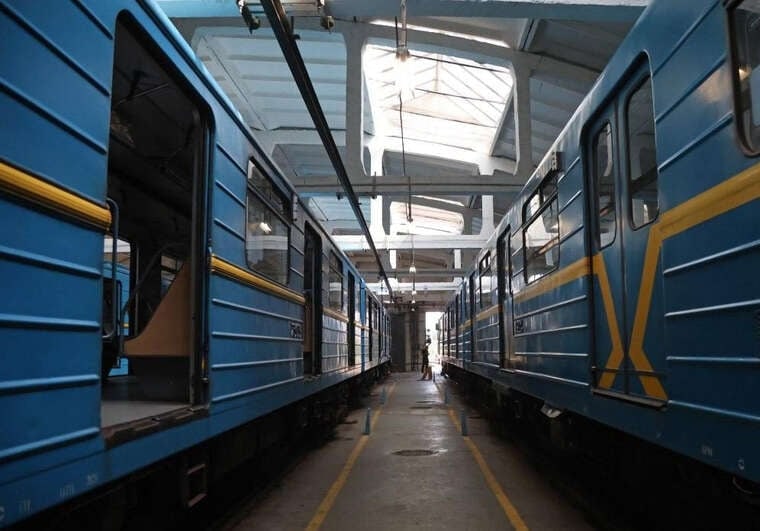
Ruslan Oliinyk called for not making categorical predictions about the possible water supply disruption to the capital and the region due to Russian attacks. Work to ensure a stable passage of the winter period is ongoing. Regarding the possible shutdown of the capital's metro due to power outages, the risk assessment depends on the nature of the damage and the capabilities of backup power supply.
At the end of the conversation, the Deputy Minister commented on the possibility of a renewed offensive by Russian troops. He emphasised that the defence of the region remains one of the key priorities, and the capital and the region have sufficient forces and means to contain the enemy. The Deputy Minister expressed confidence that the military command is doing everything necessary to prevent the advance of Russian troops.




Comments
No comments yet. Be the first!