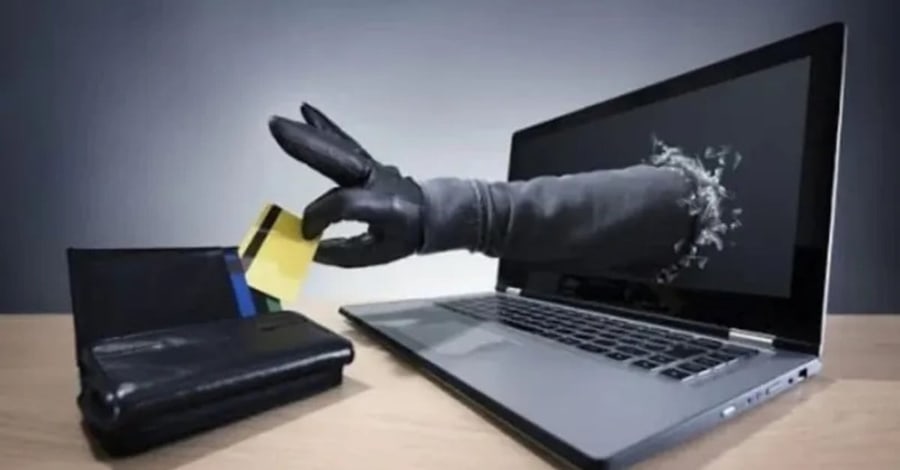
A wave of malicious message distribution has been recorded in Ukraine, containing an offer to receive financial aid in the amount of 17,500 hryvnias allegedly from the United Nations. The dangerous scheme was reported by the BRAMA Telegram channel. Behind this attractive initiative lies a phishing attack aimed at gaining access to citizens' bank accounts.
Criminals are actively using messengers to spread information about this "programme". The messages emphasise that no package of documents is required to process the payment, and the funds are promised to be credited to the account in the shortest possible time.
How fake resources operate
The link sent along with the offer redirects the user to a webpage that mimics the official "UN Programme – Ukraine" portal. To enhance the effect of trust, the scammers add "Official Programme" labels and the BankID logo on the page. An additional detail intended to convince the visitor of the site's authenticity is a counter displaying the number of payments allegedly already made.
At this stage, the victim is offered to choose a partner bank to receive the funds. Among the options is the "Oschad 24/7" service. After selecting a bank, the user is taken to the next page, which creates the illusion of an online banking interface. Here, they are required to enter their phone number and banking app password, and subsequently, a confirmation code.
It is in this way that the scammers attempt to seize the information necessary for accessing bank accounts.
Security rules to protect funds
To avoid losing financial assets, it is advisable to follow basic security rules:
- Do not enter online banking logins and passwords on third-party websites under any circumstances, even if they offer to process state or international aid.
- Never share confirmation codes via web forms or messengers.
- Check the website's address bar, as logos of well-known banks and international organisations are easily forged.
- Rely exclusively on official sources for information about any financial support programmes.
It is worth remembering that the presence of familiar symbols and high-quality page design is not a guarantee of authenticity. Scammers constantly refine their methods, using psychological pressure to force people to act impulsively without verifying the information.
If you have received a similar message, it is worth warning your relatives and acquaintances so that they do not hand over their personal data to the criminals.
As a reminder, we previously reported on common fraud schemes in 2026. In particular, criminals use messages about alleged state or international aid, luring people to fake websites to obtain passwords, banking details, and confirmation codes.






Comments
No comments yet. Be the first!