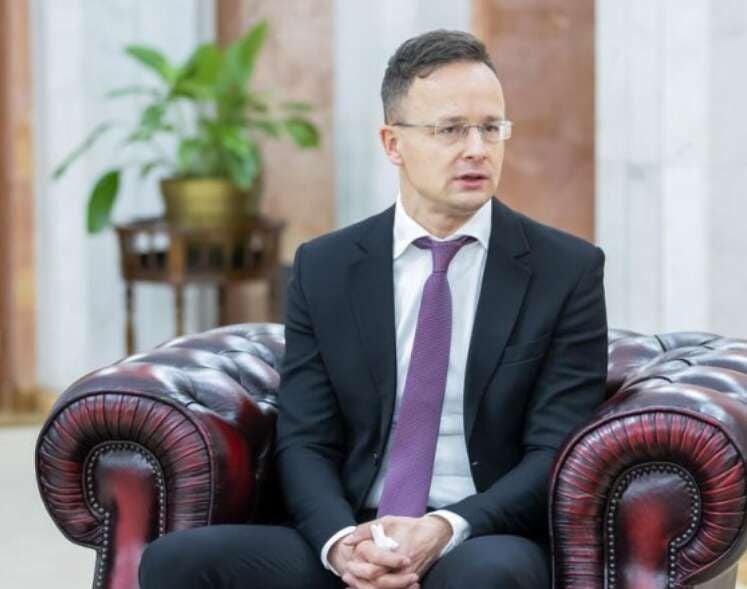
Russia passed Sijarto data on special operations against opposition in Hungary
Journalist Szabolcs Pany's book reveals how the Kremlin provided Fidesz with materials to discredit the Tisza party via diplomatic channels.
Journalist Szabolcs Pany's book reveals how the Kremlin provided Fidesz with materials to discredit the Tisza party via diplomatic channels.
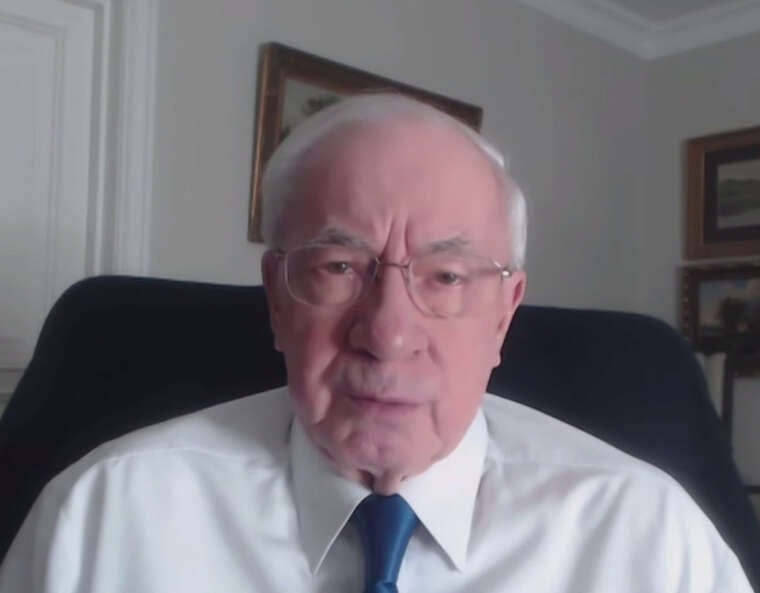
Former Prime Minister Mykola Azarov claims that Ukrainian security agencies were involved in the car bombing of Serhiy Zavorotnyi in Moscow. He describes his former adviser as an opponent of the Maidan and the subsequent authorities.
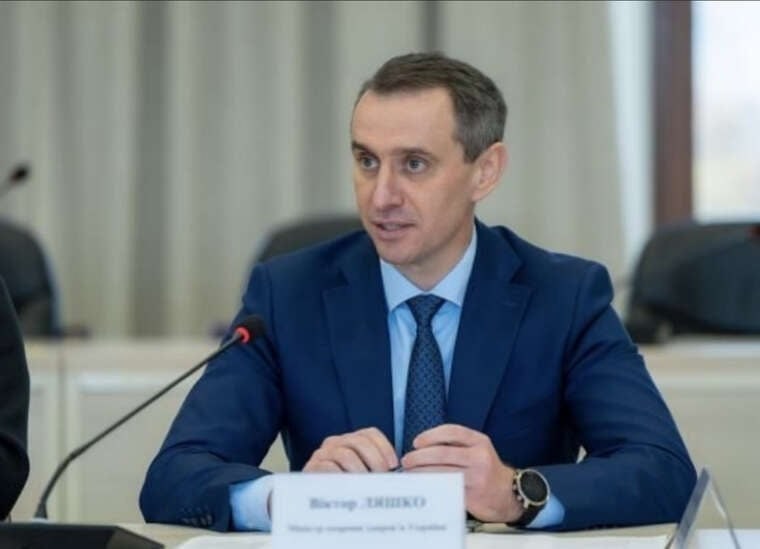
According to the Ministry of Health, 80.5% of experienced doctors use AI tools in their practice, despite the absence of current regulatory acts.

Due to the aftermath of Russian strikes on energy infrastructure, Ukrenergo announced planned power supply restrictions for industrial and household consumers on Saturday.
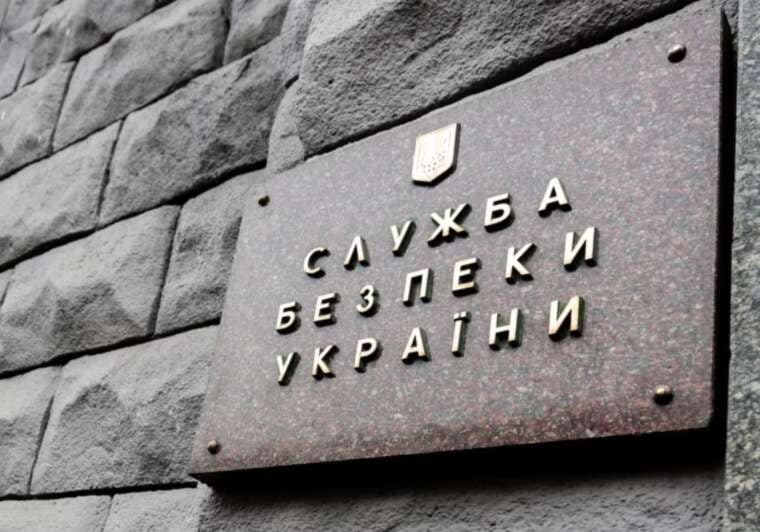
The security service confirmed a review of the actions of its staff featured in NABU materials and the dismissal of two officials. Details regarding access to cameras and General Duka remain unknown.
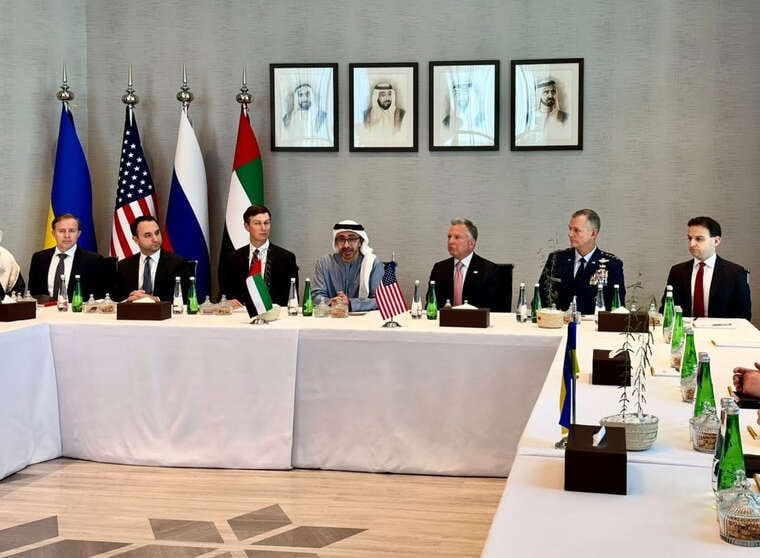
Brussels outlined the list of representatives responsible for contacts with Moscow. The group includes officials who previously participated in meetings in Abu Dhabi.

Retired Admiral Mark Montgomery stated that Ukraine has the potential to develop an affordable air defence system and become a leader in laser technologies.
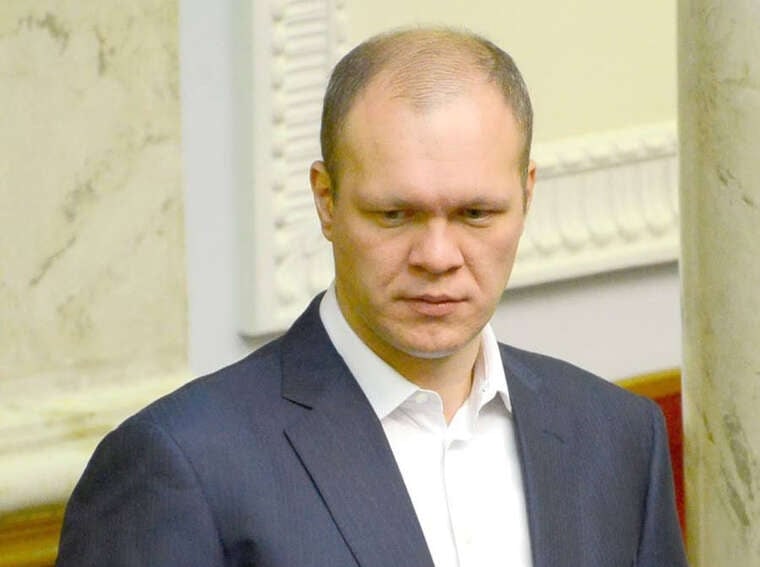
Enterprises linked to former MP Denys Dzenzerskyi have accumulated significant debts to seven financial institutions. In 2026, Vesta Industrial was officially declared bankrupt.
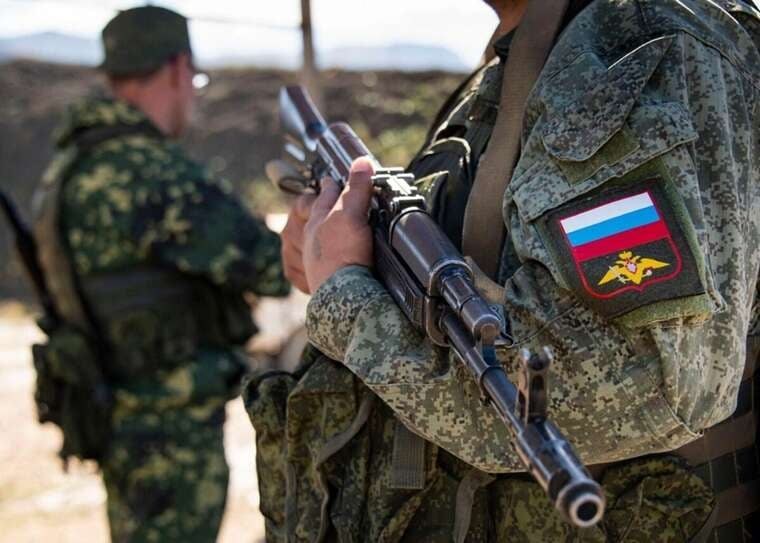
According to the findings of an investigation by the Financial Times, by the summer of 2026, Russia has lost at least 450,000 military personnel killed in action. Experts note that the actual number of dead is likely significantly higher. This data is based on an analysis of secret documents from the Russian statistical agency, which became public following a cyberattack.
The leaked database directly records approximately 410,000 deaths related to the war. The vast majority of these are military personnel, although civilian individuals may have been included in the records due to misclassification. Additionally, the FT identified another approximately 12,000 probable military deaths, determined by age, place of death, and status. These are Russian men of conscription age who died on the front line or in its vicinity, particularly in the Pokrovsk area.
An analysis of places of death indicates that approximately 120,000 of the dead, or one-third of the total number for whom a specific place of death is indicated, fall within the Avdiivka and Pokrovsk areas. These settlements have become the scene of some of the war's fiercest battles. A further 48,000 deaths have been recorded in the neighbouring Bakhmut district.
The fighting for each of these cities individually cost Russia more lives than the Soviet invasion of Afghanistan in 1979–1989, which, according to official data, claimed the lives of approximately 15,000 military personnel. For comparison, 58,000 Americans died in the US war in Vietnam.
Experts claim that such losses will not allow Russia to continue conducting offensive operations of a similar scale. During the peak months of attacks last year, Russia was losing tens of thousands of people per month, while the official target for recruiting new recruits stands at only 35,000 per month. This means that current recruitment rates do not allow for the compensation of losses.
Rosstat also recorded 42,000 deaths of men of conscription age, established through judicial procedures applied when families cannot obtain the bodies of the dead. The actual number of dead is likely understated due to delays in death registration. For example, in 2026, documents were still being processed for people who died during the siege of Mariupol in 2022. Based on available data, the FT estimates that the total number of war-related deaths will reach approximately 550,000 by the beginning of August. Almost all the dead are men.
These estimates are consistent with other statistical methods, including excess mortality studies. If the mortality rate recorded in January was maintained throughout the year, the number of dead could reach 650,000 by the end of December.
Data indicates the ageing of the Russian armed forces. Approximately 10% of the dead were men aged 18 to 24, although the share of this group has decreased compared to the start of the war. In 2025, the average age of the dead was 40 years, whereas in the first year of the war it was 34. The largest group of the dead (158,000 people) consisted of men aged 35 to 44.
Statistics also reflect the uneven distribution of the 2022 mobilisation, which disproportionately affected certain ethnic minorities, as well as a trend towards more active recruitment from poorer regions. The Zabaykalsky Krai, home to a large Buryat community, had one of the highest mortality rates: approximately 12,300 people died from there (roughly one dead person for every 80 residents). In Bashkortostan, which also has a significant share of ethnic minorities, 15,800 deaths were recorded.
The FT identified 4,141 probable foreign military personnel whose deaths were recorded in the database. The peak in reports of deaths occurred in the autumn of 2025 — approximately 390 cases per month, which coincided with the intensification of the Russian offensive in the Pokrovsk area.
The highest losses among foreigners were recorded in Central Asian, African, and Latin American countries. Among Central Asian states, Uzbekistan leads (807 dead), followed by Tajikistan (598). In Latin America, the highest losses were recorded in Colombia (98 people). A total of 127 people died in Nigeria, Cameroon, and Egypt. The deaths of 20 citizens of Bangladesh, 10 citizens of India, and 44 citizens of Nepal were also recorded. In addition, reports indicate the death of approximately 500 holders of Belarusian passports. The database contains no records of North Korean military personnel, despite their participation in hostilities.
Although the documents mention 745 dead Ukrainians, the FT did not include this data in its overall estimates, as an unusually large share of these deaths likely falls on civilian individuals. Ukrainians fighting on the side of Russia may be registered as citizens of the Russian Federation or entities under its control.
Comments
No comments yet. Be the first!