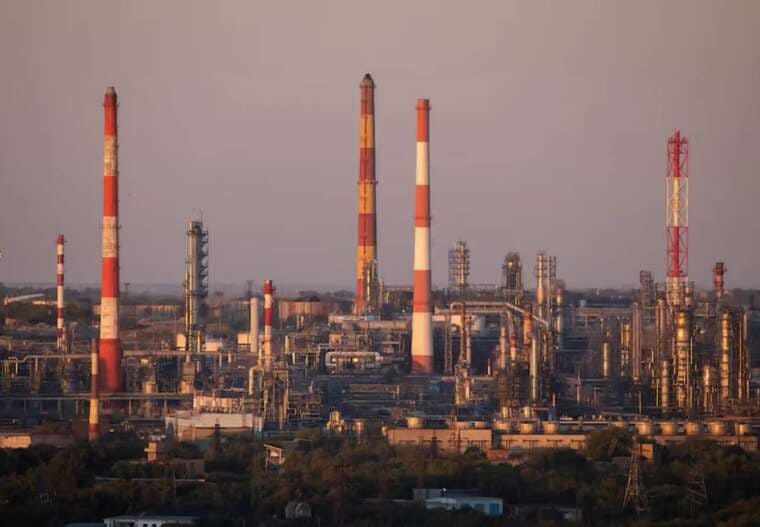
Russia ramps up diesel output to fulfil fuel supply deals with US
Russian refineries are increasing diesel production after receiving export quotas allocated by the Russian government to implement agreements with Washington.
Russian refineries are increasing diesel production after receiving export quotas allocated by the Russian government to implement agreements with Washington.
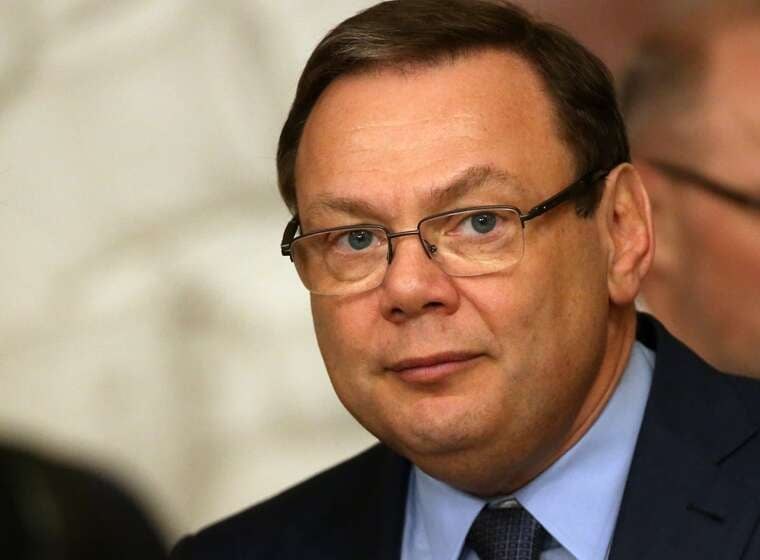
Following the EU's lifting of sanctions against Fridman, discussions in Ukraine have intensified regarding the transfer of his stake in the telecom company to state ownership, despite ongoing restrictions from the US, UK and Ukraine.
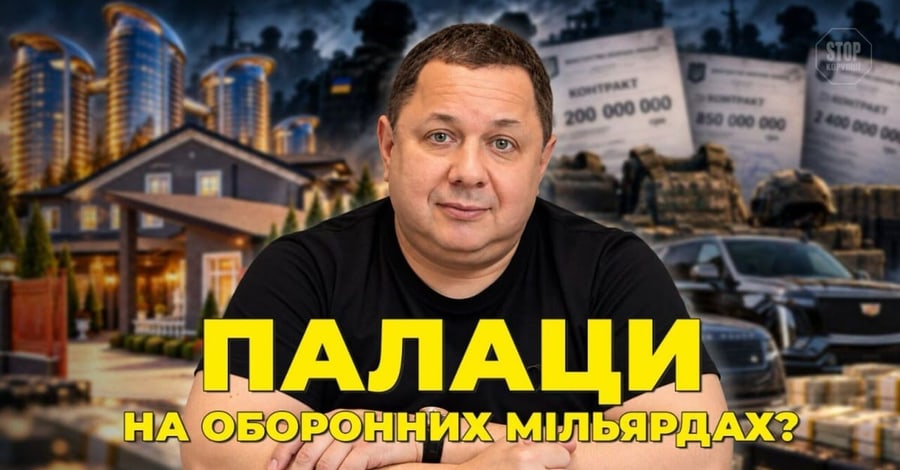
Journalists detailed the network of companies linked to Oleh Mitrokhin, which receive billion-hryvnia state contracts despite fines for collusion and supplying substandard goods to the Armed Forces of Ukraine.

Investigation completed in case of criminal group that siphoned approximately 50 million hryvnia from client accounts using forged court decisions.
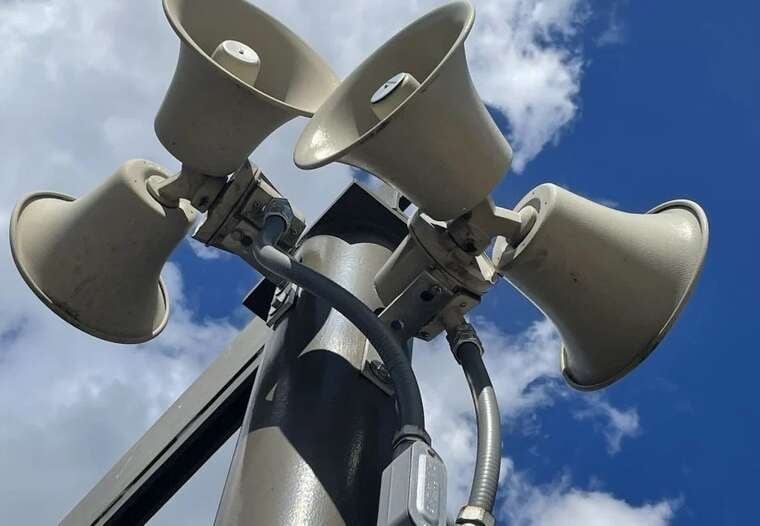
Monitoring groups recorded abnormal behaviour of air raid alerts in the capital: signals changed status three times in a row over a short period.
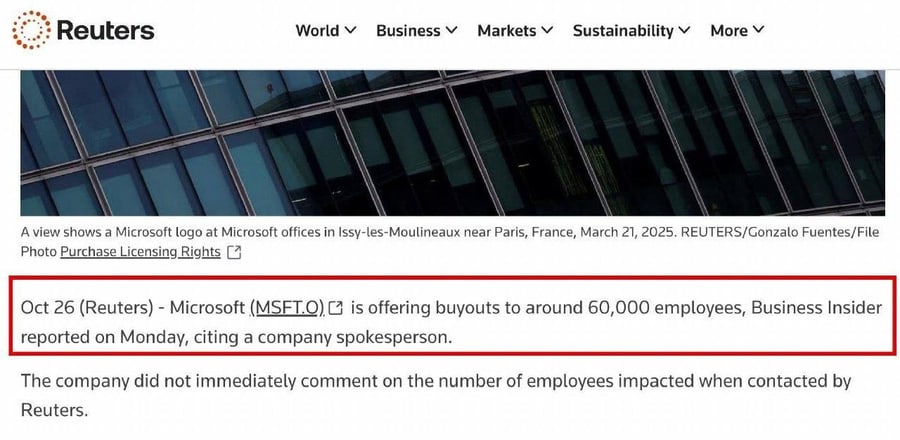
Microsoft may cut around 60,000 employees in the US, Canada, India and the UK amid the rollout of artificial intelligence.

Law enforcement officers in the Volyn region uncovered a suspected scheme for the illegal transfer of people to the EU. A local resident received a large sum for handing over fake documents to a client.

The blogger, who did not condemn the full-scale invasion, explained why she got rid of her property in Ukraine and where her former cars are now.
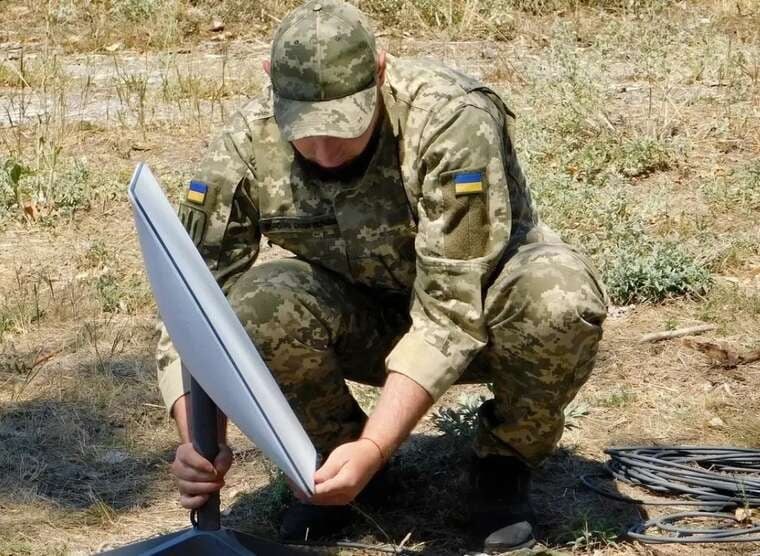
In a report published on 26 October, the Institute for the Study of War (ISW) examined in detail the state of Ukraine’s air defence system in the context of technical problems with the Starshield satellite network complex, known as the “military Starlink package”. Analysts noted that while the overall effectiveness of destroying enemy jet-powered unmanned aerial vehicles (UAVs) remains high, a slight decline has been observed precisely during the period when disruptions in satellite communication began.
According to the research data, between 14 and 24 October, the percentage of jet-powered drones shot down decreased from 77% to approximately 74%. The document emphasises that access to the Starshield network is critically important for successfully intercepting high-speed targets. It was specifically jet-powered drone interceptors that proved to be the most effective tool in the arsenal of Ukraine’s defence forces for countering this type of threat.
In addition to specialised UAVs, Ukraine uses F-16 fighter jets to destroy jet-powered drones. ISW analysts note that the use of aviation involves two main scenarios: firing with expensive missiles or using onboard cannons. The second option requires exceptional skill from pilots and carries risks of aircraft damage and to the safety of the pilot themselves.
The report also mentions turrets installed in Kyiv to neutralise jet-powered drones. However, experts point out that the available means are insufficient, and their deployment across the entire territory of the country requires time and resources.
The ISW analysts concluded that the integration of drone interceptors into Ukraine’s air defence system is the best opportunity to create a reliable protective barrier. In their assessment, it is this approach that is capable of ensuring a consistently high level of interception of Russian jet-powered drones in the long term.
Comments
No comments yet. Be the first!