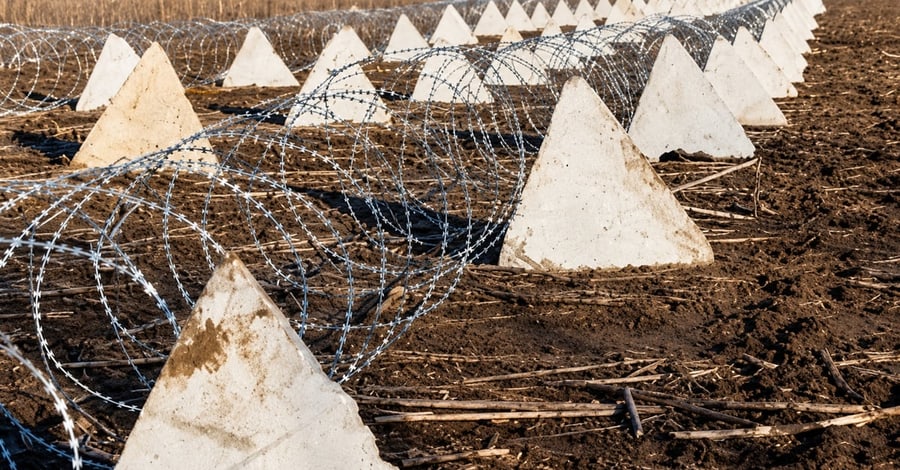
Zelensky signs decree on implementing all-round city defence
President enacted the National Security and Defence Council decision of 25 September 2026, which provides for the construction of engineering obstacles to protect cities.
President enacted the National Security and Defence Council decision of 25 September 2026, which provides for the construction of engineering obstacles to protect cities.
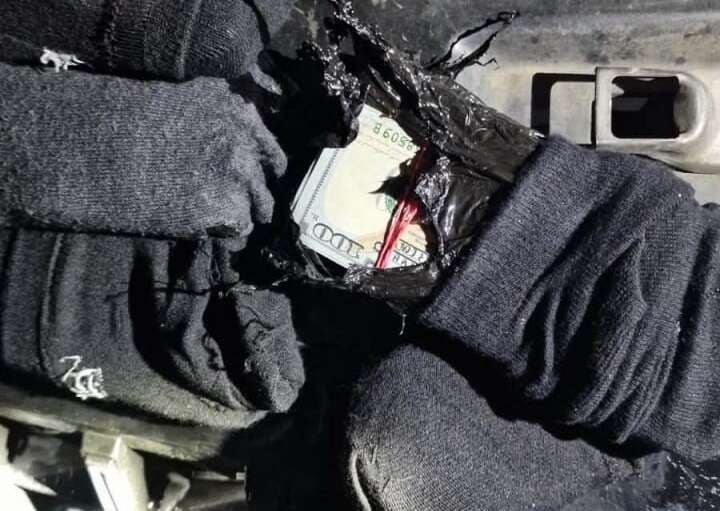
During a border crossing at the Orlivka checkpoint, law enforcement officers found a large sum of cash hidden in the structural cavities of the vehicle.
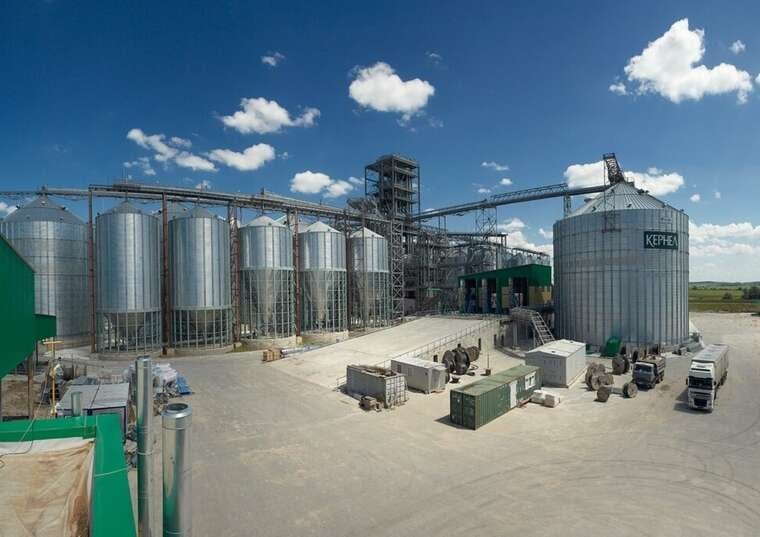
Agro-holding Kernel reduced oil sales by 48% and grain exports by 54% in the first quarter of fiscal 2027. The company attributes this to attacks on maritime infrastructure.
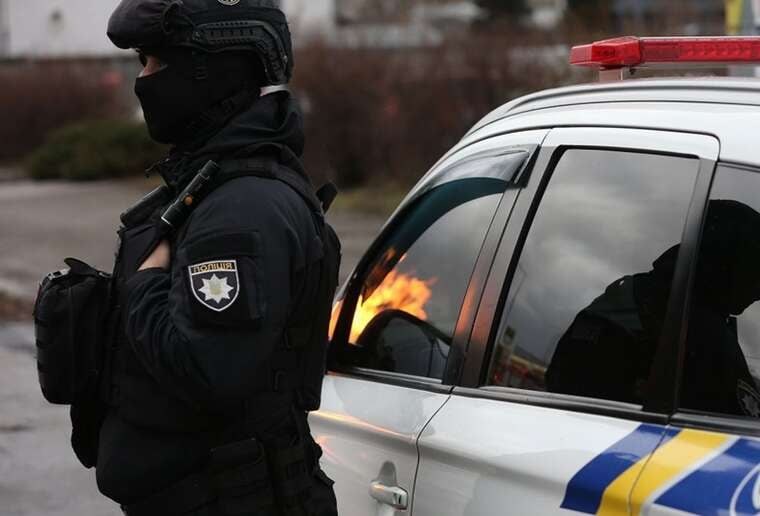
A 20-year-old officer from a unit of the Main Directorate of the National Police in Kyiv, driving an Audi, hit two pedestrians in Kamin-Kashyrskyi district. Blood alcohol level of 2.07 per mille detected; criminal case opened.
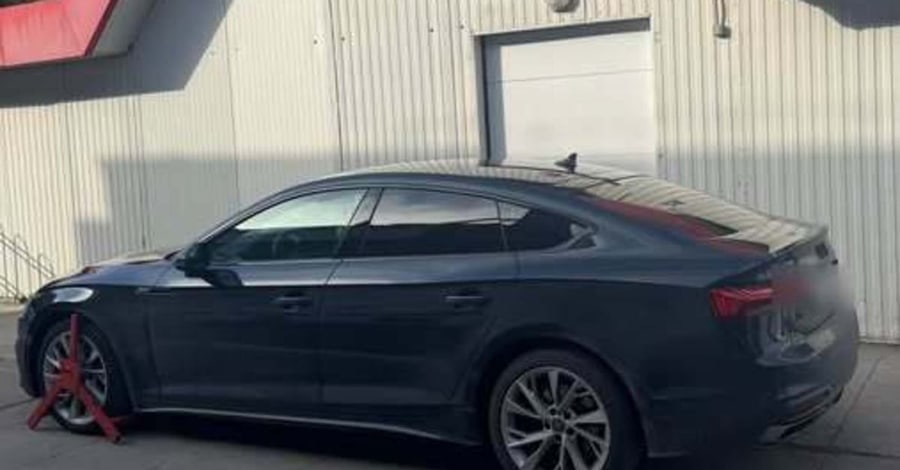
Border guards from the Carpathian Detachment discovered a vehicle listed in the Interpol database while it was leaving Ukraine. The driver turned out to be a resident of Ternopil Oblast.
The Higher Anti-Corruption Court released Vissarion Kim, his son Artem, and former deputy director of the South Ukrainian Nuclear Power Plant, Volodymyr Bohatchuk, from liability.
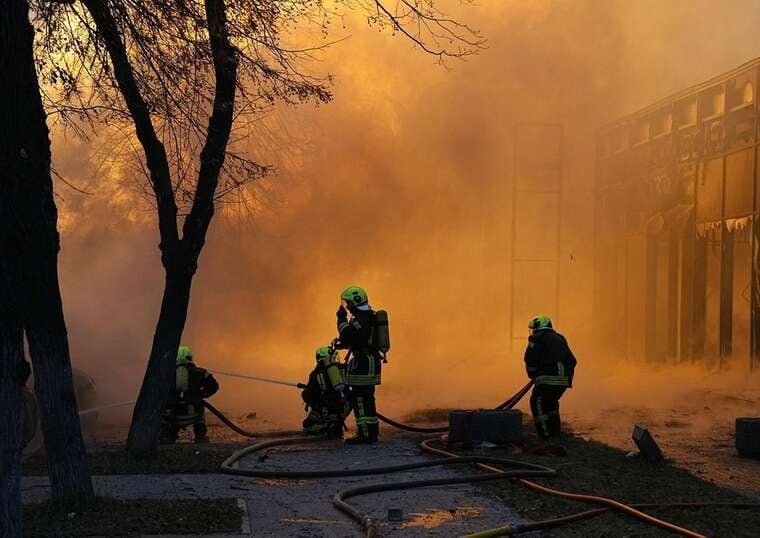
Kharkiv city authorities reported two deaths and four injuries following enemy shelling of residential buildings.

The new president of Krakow chose the lowest salary rate permitted by law. The city council supported his initiative, which will save over 54,000 zloty annually.
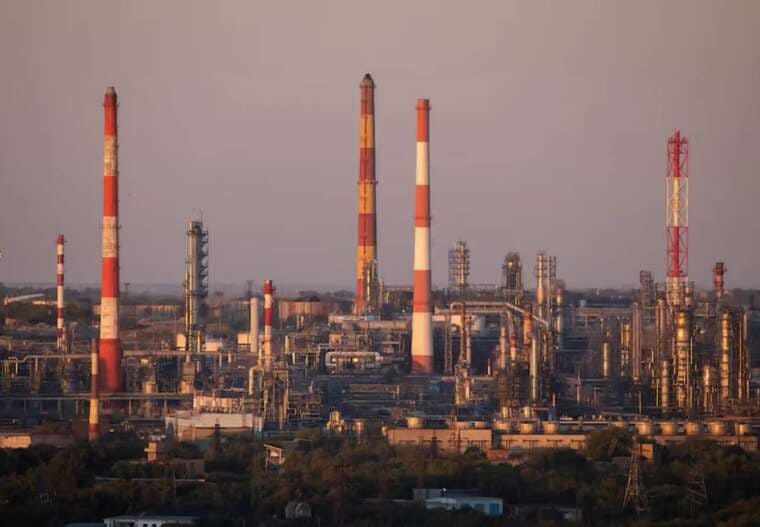
Russian oil refining enterprises began ramping up diesel fuel output in October. This trend was recorded after the Russian government allocated special export quotas necessary to fulfil the agreements between the Kremlin and the United States of America. This is evidenced by data published by the Reuters agency.
Under the reached agreement, Russia is to supply fuel to the US and other global markets. In exchange, Washington is temporarily lifting sanctions on Russian fuel. US President Donald Trump announced the agreement with Vladimir Putin on 9 October, and the Russian side subsequently confirmed the fact of reaching a consensus.
In accordance with the terms of the deal, Russia committed to immediately providing over 300,000 metric tonnes (equivalent to approximately 2.25 million barrels) of diesel. A further 500,000 tonnes is to be directed in November, followed by an additional million tonnes. Estimates suggest that, depending on the current state of Russian refineries, the volume of additional supplies could reach a further 3 million tonnes.
To implement these plans, the Russian government introduced exceptions to the current full ban on diesel fuel exports from 1 October. This ban was introduced in August with the aim of stabilising the domestic market. After the embargo came into force, oil companies reduced production, focusing solely on domestic needs and supplies to Central Asian countries based on intergovernmental agreements.
In the first half of October, daily diesel output in Russia fell to a level of around 160,000 tonnes, whereas in September this figure stood at 175,000 tonnes. However, after the allocation of new export quotas in mid-month, production began to rise, moving towards 180,000 tonnes a day.
The seasonal decline in domestic consumption in Russia to 140,000 tonnes a day (driven by the end of the harvest and the summer travel season) creates the opportunity to free up over 1 million tonnes a month (a minimum of 40,000 tonnes a day) for export. Of this volume, between 200,000 and 300,000 tonnes is directed to neighbouring states.
According to data from the LSEG monitoring platform, a tanker flying the flag of Malta appeared in tracking systems on 23 October, carrying 40,000 tonnes of Russian diesel and heading to New York.
On the same day, Kremlin spokesman Dmitry Peskov confirmed that after the dispatch of the first tanker, supplies of Russian fuel to the US would be carried out on a regular basis. It is expected that the general ban on diesel fuel exports will remain in place, with shipments regulated exclusively through the quota mechanism, carefully monitoring the situation in the domestic market and the dynamics of production volumes.
Comments
No comments yet. Be the first!