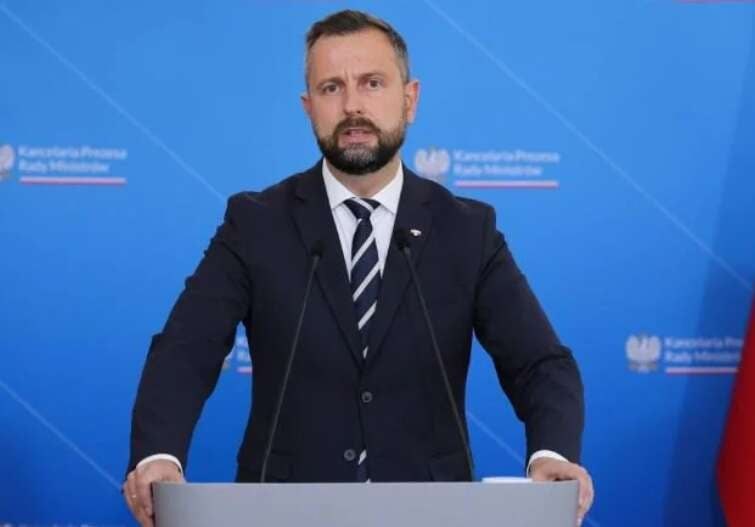
The Russian Federation produces one ballistic missile every five hours and continues to accelerate this process. This was stated by Ukraine's Defence Minister Yevheniy Khmar during a speech on Monday at the NATO Parliamentary Assembly in Berlin.
Increasing production rates and the scale of attacks
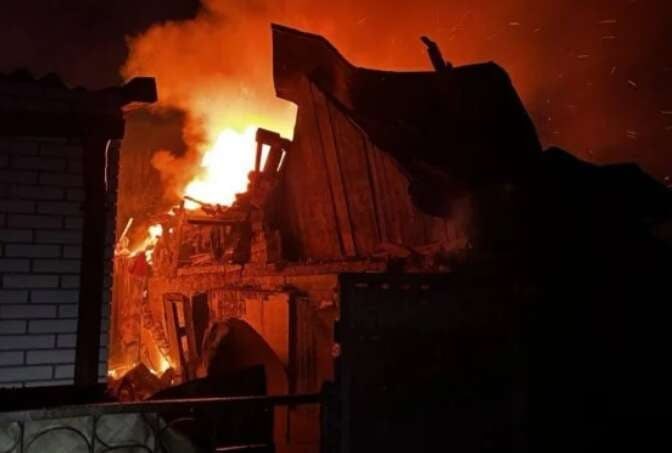
According to Khmar, Moscow is increasing the intensity of strikes with ballistic and cruise missiles. Last month, Russian forces launched 153 ballistic missiles at Ukrainian territory. A massive attack was recorded over the weekend, during which approximately 110 missiles were used, including over two dozen ballistic missiles, as well as more than 400 drones.
«Кожні п'ять годин ворог виробляє одну балістичну ракету і продовжує прискорювати цей темп. Основними цілями для Росії є цивільне населення та цивільна інфраструктура» ("Every five hours, the enemy produces one ballistic missile and continues to accelerate this pace. The main targets for Russia are the civilian population and civilian infrastructure"), the Defence Minister emphasised.
He added that the Russian Federation is methodically destroying Ukraine's energy sector, a tactic that Kyiv has repeatedly noted during previous winters. The Russian Ministry of Defence and the US Embassy in Russia did not comment on these statements.
Assessments of stockpiles and production capacities
Earlier this month, the Main Directorate of Intelligence (HUR) of the Ukrainian Ministry of Defence published an assessment detailing Russian missile stockpiles and production capabilities. According to data as of October, Moscow's reserves amounted to up to 700 ballistic missiles and thousands of cruise missiles.
The HUR indicated that Russia is capable of producing up to 110 ballistic missiles per month, which is equivalent to one missile approximately every six and a half hours. Among the models produced are the 9M723 Iskander-M and the RM-48U. The latter are launched from S-400 air defence systems and account for more than half of Russia's stockpiles.
Strategy of strikes on production and air defence
Yevheniy Khmar noted that Ukraine is not only trying to shoot down incoming ballistic missiles but is also striking Russian launch sites. Over the past few months, the Ukrainian Armed Forces have hit 16 Iskander and S-400 systems.
«Ми також будемо працювати над зниженням потенціалу Росії з виробництва зброї. Саме тому об'єкти оборонно-промислового комплексу ворога перебувають серед наших цілей» ("We will also work on reducing Russia's weapons production potential. That is why the enemy's defence industry complex facilities are among our targets"), the minister stated.
Intercepting ballistic missiles remains a challenging task due to their high speed in the final phase of flight, so Ukraine is facing difficulties in stopping them this year. Ukrainian officials regularly appeal to foreign partners for additional interceptors to replenish stockpiles. In particular, Kyiv is asking Western allies to supply US-made Patriot PAC-3 interceptors, which are considered the most effective means of countering Russian ballistic missiles.
The Defence Minister emphasised that air defence, and specifically ballistic missile defence, remains a priority. Ukraine has proposed a mechanism to partners whereby allies provide interceptors from their existing stockpiles and, in return, receive future deliveries of new missiles under contracts that Kyiv has already signed.
«Це дозволить нам швидше отримати необхідні ресурси» ("This will allow us to obtain the necessary resources faster"), Khmar added.


Comments
No comments yet. Be the first!