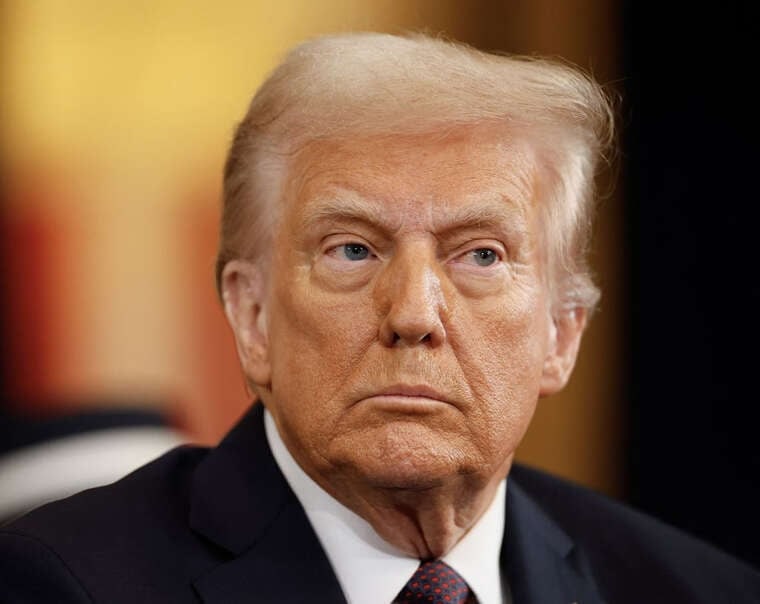
Oil prices fall nearly 16% in a week following US election results
Global oil markets suffered their sharpest weekly decline since the start of the pandemic after Donald Trump's party suffered a defeat in the US midterm congressional elections.
Global oil markets suffered their sharpest weekly decline since the start of the pandemic after Donald Trump's party suffered a defeat in the US midterm congressional elections.
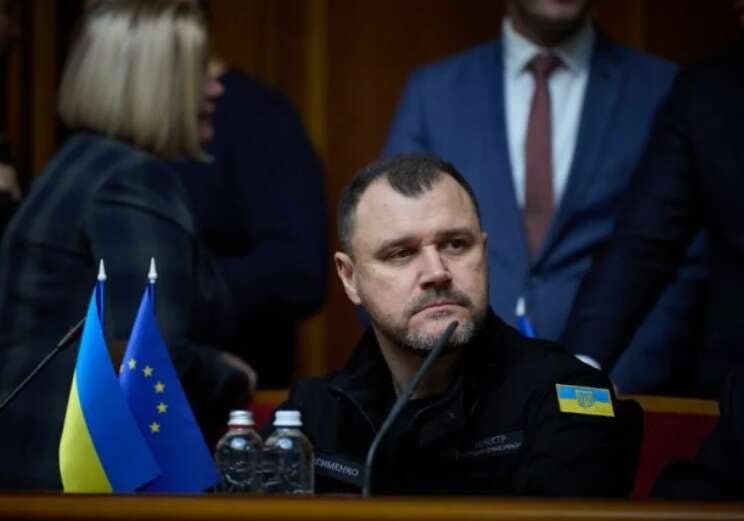
National Security and Defence Council Secretary Ihor Klymenko stated that he does not know who the suspects were referring to when discussing pressure on the Interior Minister.

Specialists at the London-based DeepMind lab claim that the company's internal policies prevent them from openly expressing concerns about artificial intelligence safety.
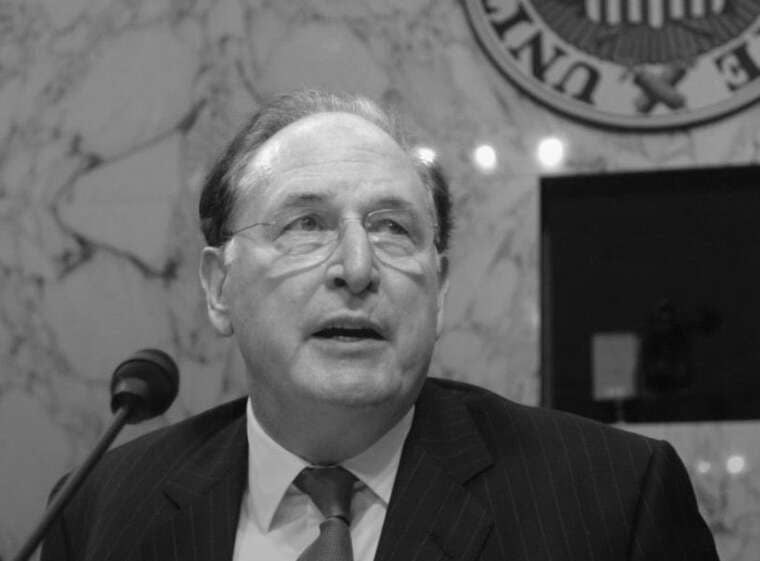
Former West Virginia governor and five-term US Senator John D. Rockefeller IV has died in Washington at the age of 89.
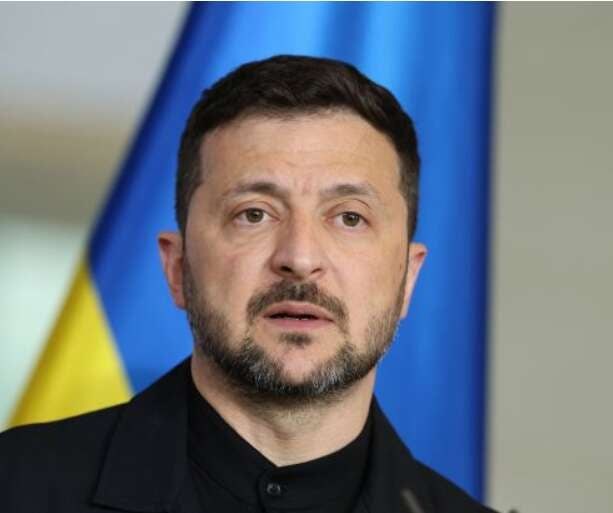
Ukrainian leader criticised Donald Trump's proposal, calling it a threat to the continent due to Russia's lack of readiness to cease hostilities.

The Russian army is already using its own low-orbit communication system to improve the accuracy of strike drones and bypass Ukrainian air defence.

The President of Ukraine stated that energy facilities and bridges are under threat. He emphasised the urgent need to supply interceptor missiles for Patriot systems.

Ukrainian presidential adviser Serhiy Beskrestnov released a video of Russian Bandirol missiles being fired from a helicopter and commented on the specifics of this tactic.
John D. "Jay" Rockefeller IV died at his home in Washington (District of Columbia) on 6 November. He was 89 years old. This was reported with reference to data published on Friday. The deceased's relatives have not yet disclosed the cause of his death.
Jay Rockefeller was a member of the Democratic Party and a known advocate of liberal views. He began his public service as the governor of West Virginia, a position he held twice. In 1984, he was first elected to the US Senate from the same state. In total, he served five six-year terms in the upper chamber of Congress.
Throughout his career, Rockefeller focused on social issues. His key priorities were combating poverty, expanding access to healthcare, and protecting the rights of vulnerable groups. Among the specific initiatives he supported were medical benefits for miners and assistance programmes for US Armed Forces veterans.
One of the senator's most significant achievements was his contribution to expanding health insurance for children from low-income families. He took an active part in developing the programme launched in 1997. This initiative provided federal financial support to states to ensure that millions of children who had previously been uninsured received medical coverage.
Jay Rockefeller belonged to a prominent business dynasty. He was the great-grandson of John D. Rockefeller, the oil magnate who founded one of the most influential business empires in the US. The politician was also a relative of Nelson Rockefeller, who served as the 41st Vice President of the United States.
Rockefeller's political biography also included controversial moments. In 2002, he supported President George W. Bush's proposal to intervene in Iraq; the war began the following year, in 2003. The senator later openly acknowledged that he regretted his vote. Serving as the chairman of the Senate Intelligence Committee, he accused the Bush administration of having drawn the US into an armed conflict on false pretences.
Comments
No comments yet. Be the first!