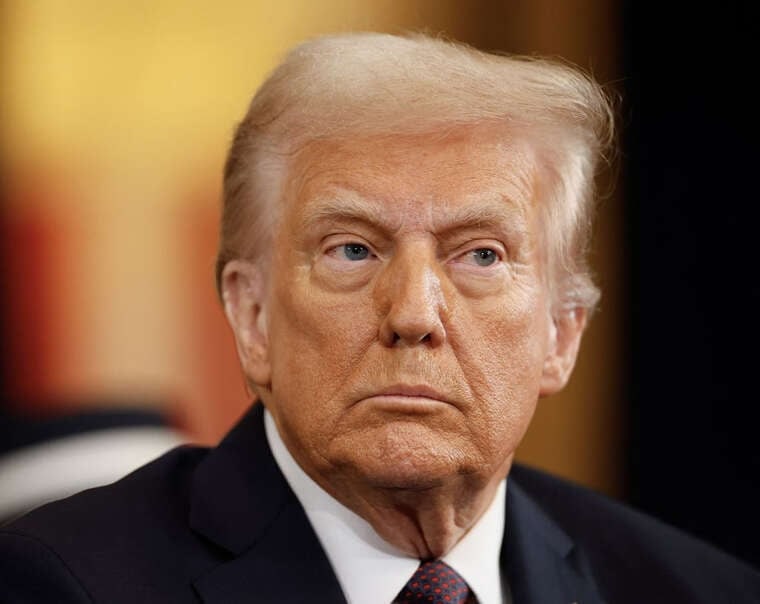
Oil prices fall nearly 16% in a week following US election results
Global oil markets suffered their sharpest weekly decline since the start of the pandemic after Donald Trump's party suffered a defeat in the US midterm congressional elections.
Global oil markets suffered their sharpest weekly decline since the start of the pandemic after Donald Trump's party suffered a defeat in the US midterm congressional elections.
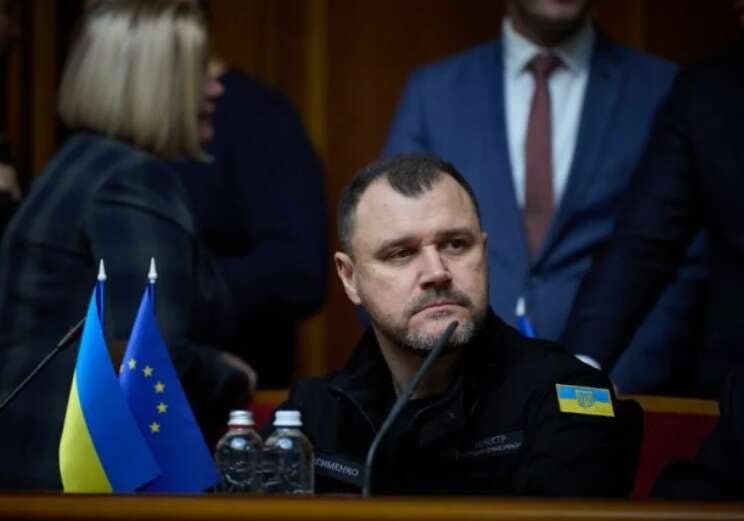
National Security and Defence Council Secretary Ihor Klymenko stated that he does not know who the suspects were referring to when discussing pressure on the Interior Minister.

Specialists at the London-based DeepMind lab claim that the company's internal policies prevent them from openly expressing concerns about artificial intelligence safety.
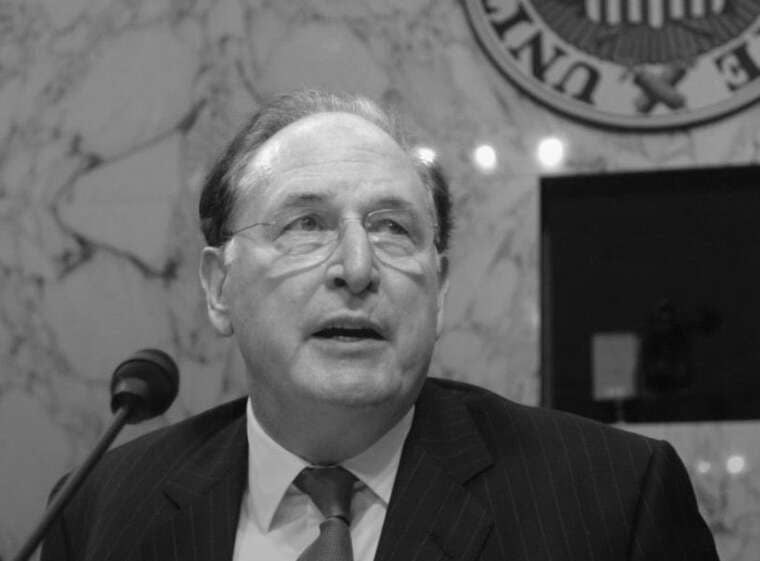
Former West Virginia governor and five-term US Senator John D. Rockefeller IV has died in Washington at the age of 89.
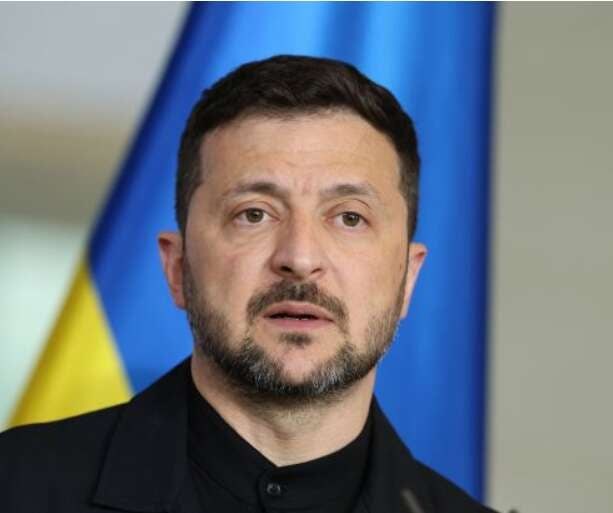
Ukrainian leader criticised Donald Trump's proposal, calling it a threat to the continent due to Russia's lack of readiness to cease hostilities.
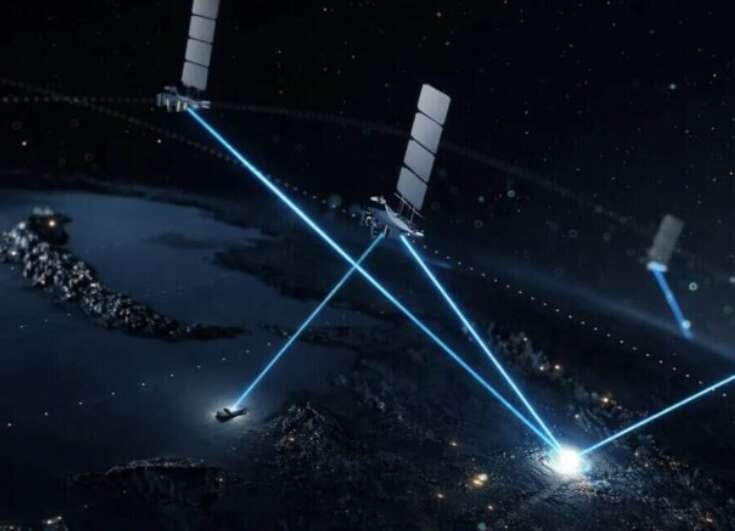
The Russian army is already using its own low-orbit communication system to improve the accuracy of strike drones and bypass Ukrainian air defence.
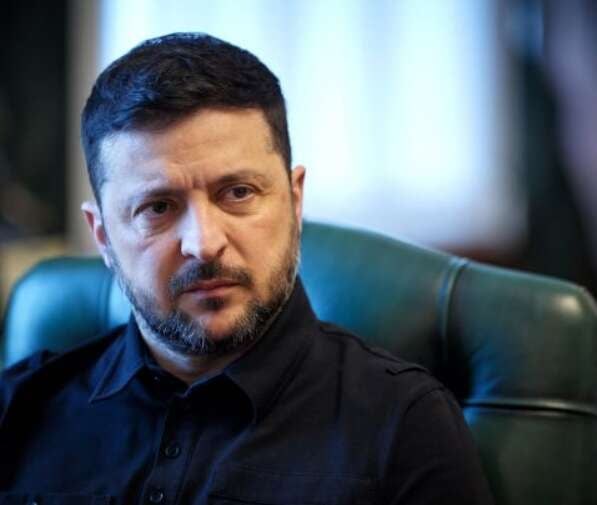
The President of Ukraine stated that energy facilities and bridges are under threat. He emphasised the urgent need to supply interceptor missiles for Patriot systems.
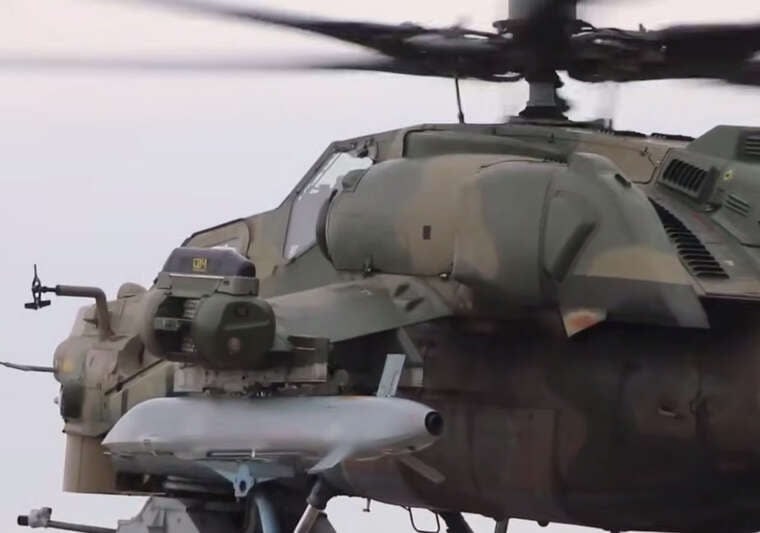
Ukrainian presidential adviser Serhiy Beskrestnov released a video of Russian Bandirol missiles being fired from a helicopter and commented on the specifics of this tactic.
During a session of the Higher Anti-Corruption Court dedicated to the selection of preventive measures, Prosecutor Mykola Karas played fragments of audio recordings in the courtroom. These materials were obtained during the investigation known as Operation Carthage. The tapes feature SBU Major General Serhiy Duka, who discusses with a counterpart a strategy of action to ensure that law enforcement agencies do not uncover the participants in the criminal scheme.
“Let them change addresses, go to apartments and act like partisans,” was heard aloud from the recording read out by the prosecution representative. The prosecutor emphasised that during these conversations, the Major General did not clarify to Andriy Osipov which specific “phones” were being discussed or what exactly the latter had in mind. According to Karas, long-standing friendly relations existed between Duka and Osipov, who appears on the tapes under the nickname “Criminal”.
The prosecution stressed that in one of the recorded conversations, Duka directly explains to Osipov what measures need to be taken to avoid criminal prosecution.
According to the prosecutor, Osipov was aware of the holding of meetings of law enforcement heads and knew exactly who was participating in them. It was established that Duka's car entered the territory of the Office of the Prosecutor General on the very day one of such meetings was held.
At that time, state leadership called for intensifying the fight against illegal call centres. Against this backdrop, as Karas noted, the case defendants discussed methods that would prevent the exposure of their activities.
Citizens of Lithuania, Kazakhstan, the Czech Republic, Moldova and Hungary worked in the illegal call centres. These individuals resided in Ukraine on the basis of residence permits. The prosecutor added that these documents were either cancelled or extended.
Comments
No comments yet. Be the first!