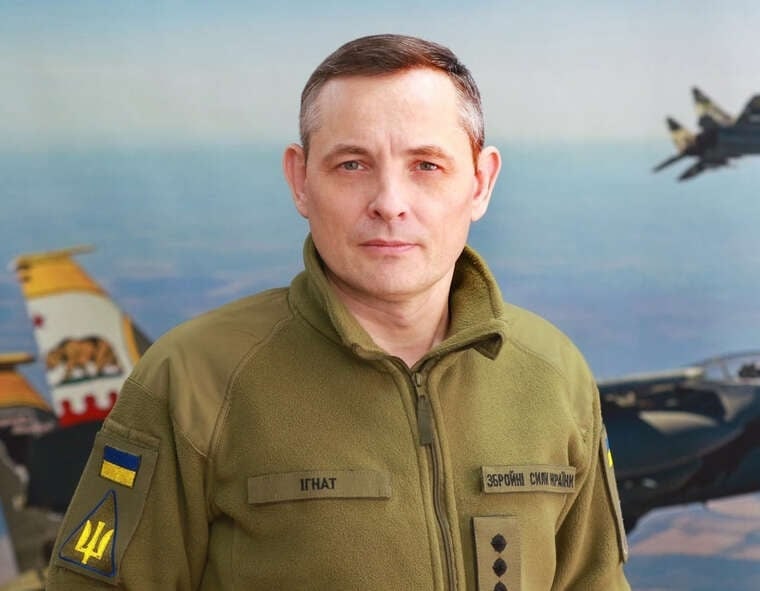
Air Force spokesperson reports hack on 'Air Alert' app
Yuriy Ignat explained that the spread of false data regarding the Oreshnik missile and radiation is linked to a likely interference with the mobile app's operation.
Yuriy Ignat explained that the spread of false data regarding the Oreshnik missile and radiation is linked to a likely interference with the mobile app's operation.
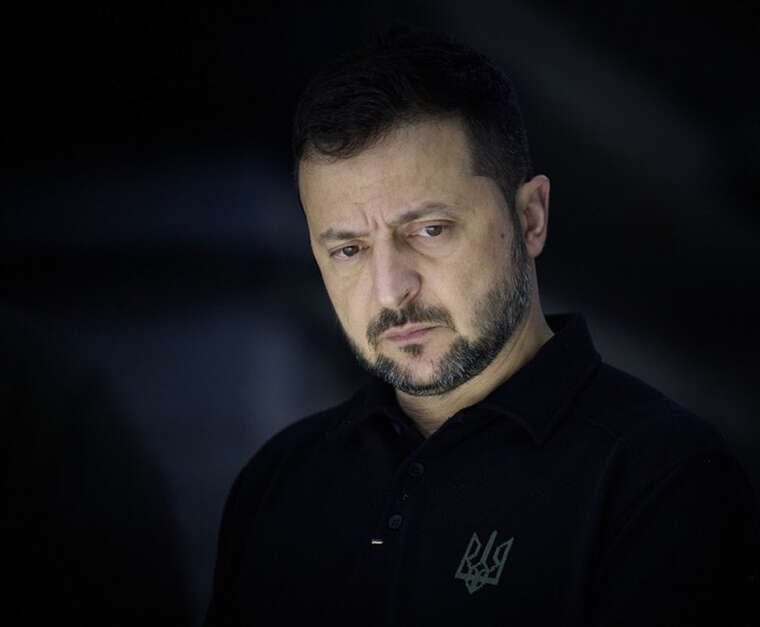
Ukrainian President criticised Moscow's initiatives regarding non-aggression guarantees, calling Russia an aggressor and emphasising the priority of ending hostilities.
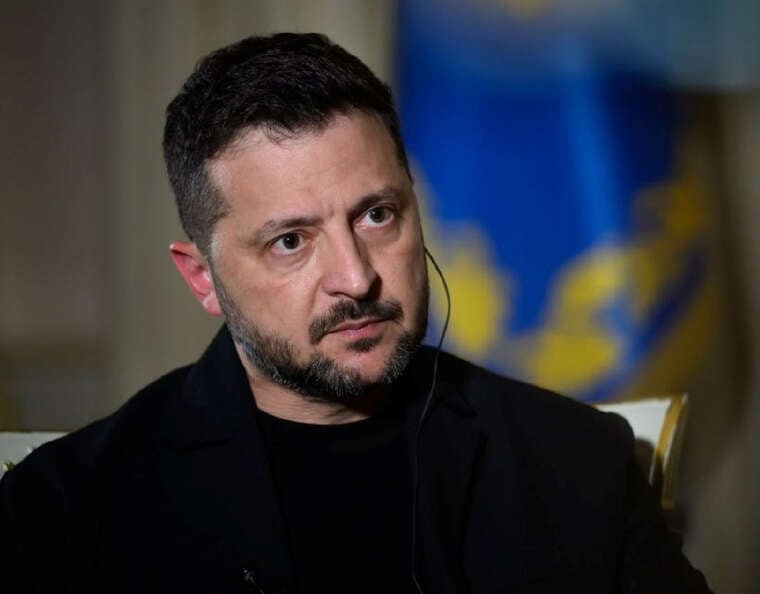
Ukrainian president stated that no official letter from Washington has been received yet, although Donald Trump previously did not rule out Kyiv's participation in the event.
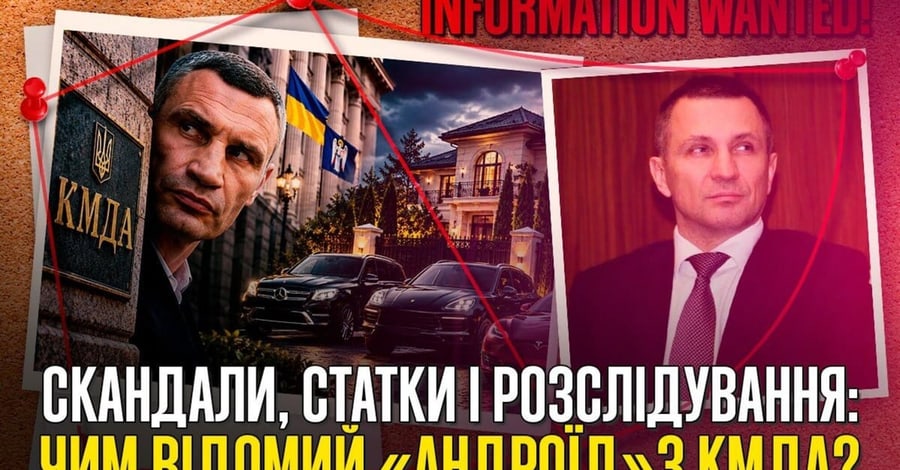
Analysis of Vladyslav Andronov's declarations revealed his use of his ex-wife's property, an unfinished house in Plyuty, and possible involvement in a privatisation case.

The Kyiv City State Administration assured that the digital service and the capital's outdoor alert network are operating in normal mode and will transmit air raid alerts.
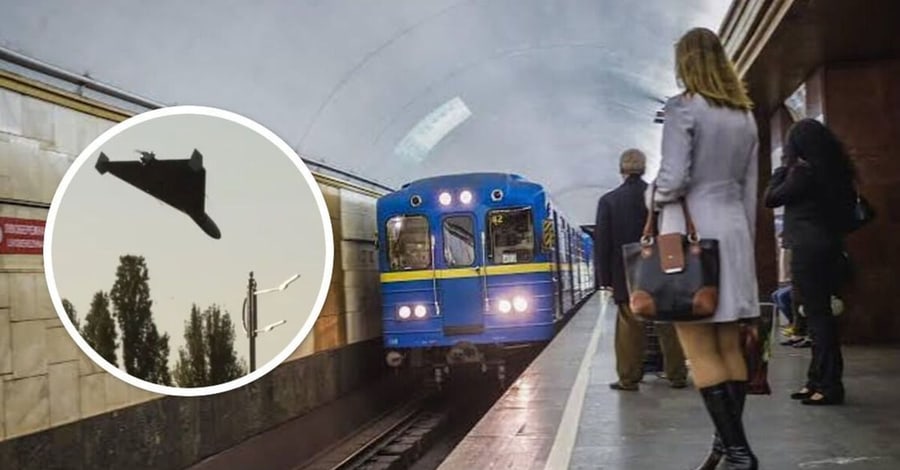
Russian drones attacked Kyiv region on the night of 2 November 2026, damaging infrastructure and injuring one person. In Kyiv, metro and electric transport operations were temporarily restricted due to power supply issues.

The Ground Forces command representation confirmed that the blogger, detained by TCC and police officers, was mobilised after undergoing a medical board.
The price difference between the winner and its competitor was just 10 hryvnias. Over five years, the company received orders from the state enterprise worth 33.7 million hryvnias.
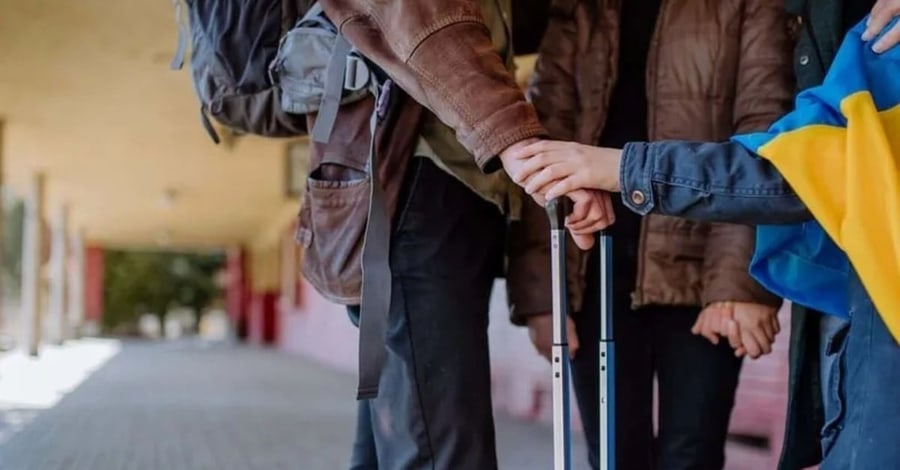
Switzerland is debating possible changes to the funding mechanism for social support for Ukrainian citizens residing in the country under temporary protection status S. Estimates suggest that a new model, which would grant cantons the right to independently determine the amount of aid, potentially reducing it to the level of payments for regular asylum seekers, could affect 46,000 people.
According to Swissinfo, the initiative is linked to the need to reduce the financial burden on regional budgets.
Under current legislation, Ukrainians with S status are entitled to social assistance equal to that provided to Swiss citizens. These amounts significantly exceed the support standards established for other categories of asylum seekers.
Matthias Reiner, president of the Conference of Cantonal Directors of Social Affairs (SODK) and a representative of the Valais cantonal government, explained that the review of the rules is driven by federal government decisions to cut budget spending. In particular, as part of the savings programme, fixed compensations to cantons for individuals with S status have been abolished if their residence permit has been in force for at least five years. This has caused regional authorities to fear a significant increase in their own social sector expenditures.
Following the change in the federal funding mechanism, cantons have asked the federal government to allow them to independently regulate the volume of social assistance. This proposal has been included in the draft amendments to the asylum ordinance.
If the document is approved, each canton will be able to set lower payment rates for Ukrainians with S status. The minimum allowable level of assistance will correspond to the amounts received by asylum seekers.
The reform has been supported by the Swiss Association of Municipalities. Its representatives emphasise that communities, which bear the majority of financial costs, should also have the right to participate in determining the levels of support.
Meanwhile, politicians from the right-wing Swiss People's Party (SVP) consider the proposed measures insufficient. They advocate for a stricter approach, arguing that there remain additional opportunities to reduce state spending in the asylum sector.
The initiative to reduce social assistance has drawn objections from the Social Democratic Party, the Green Party, and humanitarian organisations Caritas, Heks, and the Swiss Refugee Council (SFH). Critics fear that cutting funding will worsen the material situation of Ukrainian refugees, deepen social inequality, and complicate their integration into Swiss society.
Legal disputes could pose an additional problem. Representatives of the Free Democratic Party (FDP) have pointed out the lack of a definitive conclusion regarding the compliance of the new rules with the Convention on the Status of Refugees. If a court rules that the reduction in assistance is illegal, cantons may be obliged to reimburse Ukrainians for the funds they did not receive as a result of the benefit cuts.
The amendments to the ordinance are planned to be adopted by the end of autumn 2026. This deadline is necessary to allow cantons to align their local legislation with the new provisions by 1 March 2027.
It is worth noting that this currently refers to a legislative initiative, not an already adopted decision to cut benefits. Previously, it was reported that temporary protection for Ukrainians in Switzerland would be extended until 4 March 2028, while the country was also discussing additional conditions for granting this status to specific categories of Ukrainian citizens.
Comments
No comments yet. Be the first!