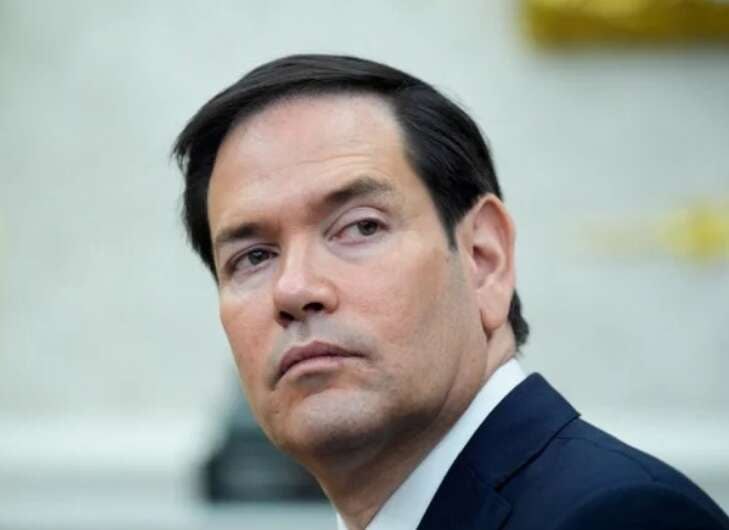
Rubio urges Europe to take on greater share of responsibility for its own security
US Secretary of State emphasised the need for European countries to assume a larger share of the burden of regional defence, reducing reliance on American resources.
US Secretary of State emphasised the need for European countries to assume a larger share of the burden of regional defence, reducing reliance on American resources.
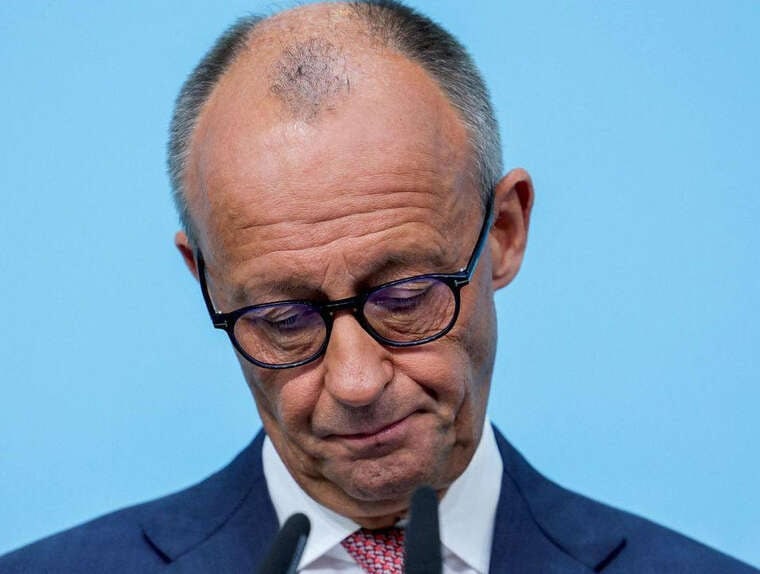
Fresh research data for Der Spiegel shows that a majority of German citizens are disappointed with the federal chancellor's actions, with nearly half of respondents considering his work a complete failure.

The international financial organisation has revised its estimates of Ukraine's economic development, lowering the 2026 forecast to its lowest level in four years.
The German company initiated talks with Russian authorities to retain control over the future of its business operations in the Russian Federation.
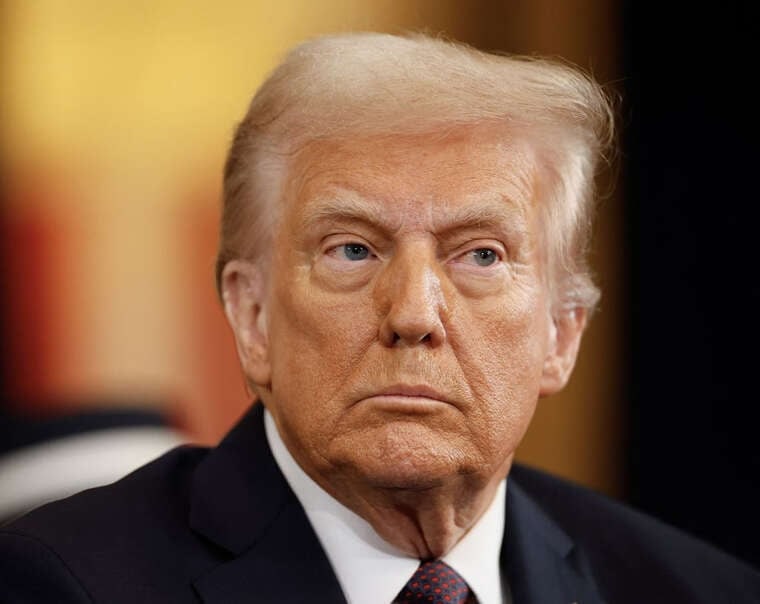
The US President stated that during his term in office, he managed to end eight armed conflicts, while another is approaching a peaceful resolution.
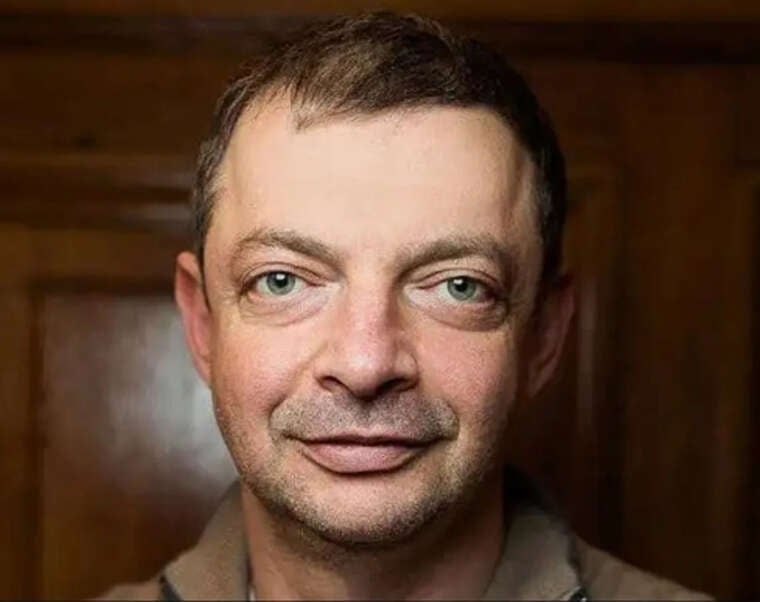
Monobank co-owner demands deletion of publication revealing the scale of assets owned by his wife and daughter: from estates near the dam to apartments in central Kyiv.
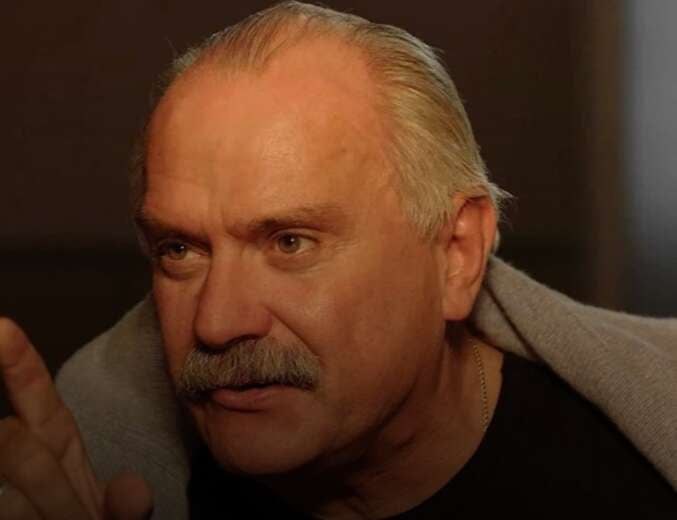
Russian actor and director Nikita Mikhalkov stated that the conflict should help Russian citizens rethink their life priorities.

Kyiv Mayor Vitali Klitschko officially recorded an achievement linked to his 55th birthday in the register of records.
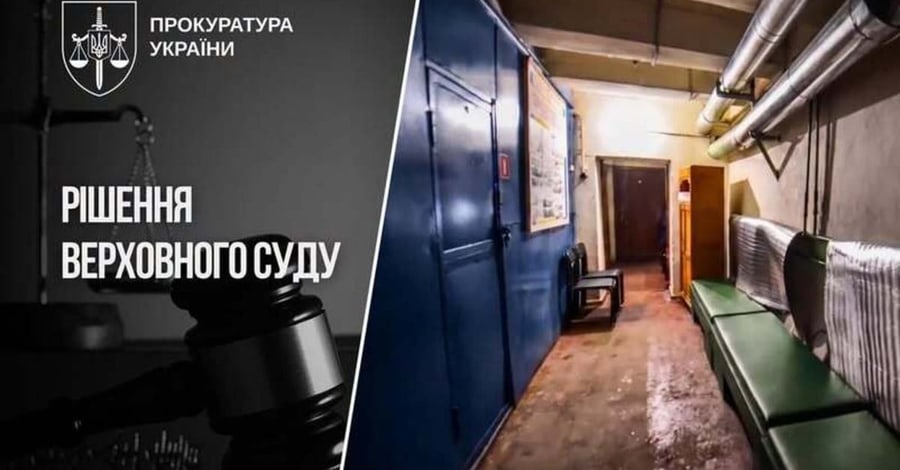
On 16 September 2026, the Grand Chamber of the Supreme Court issued a ruling confirming the legal position of the Office of the Prosecutor General: civil protection structures, whose privatisation is prohibited by law, must remain in the ownership of the state or municipal entities.
The subject of the court review was an anti-radiation shelter created by the state and previously transferred to the balance sheet of a state enterprise. During the privatisation procedure of this enterprise, the protective structure was included in the asset list, which subsequently ended up in the ownership of a private company. This was reported by the Office of the Prosecutor General.
In 2024, a prosecutor, acting in the interests of the State Property Fund of Ukraine, filed a lawsuit with the court. The claims included removing obstacles to the use of the shelter and returning it to state ownership.
The court established that at the time of the privatisation, the premises already had the status of a civil protection object. It was under state protection and classified as an object of national significance. Current legislation did not provide for the possibility of transferring such structures to private ownership.
The Grand Chamber of the Supreme Court agreed with the prosecution's arguments. The court emphasised that the privatisation of a state enterprise itself does not entail the transfer to private ownership of a shelter located in its premises.
The state's right to the protective structure is not terminated by:
The key circumstance remains the fact that, according to the law, such a structure was not subject to privatisation at all.
At the same time, a private company may remain the balance sheet holder or custodian of the anti-radiation shelter. In such a case, it is obliged to ensure proper maintenance and technical condition of the structure, but it does not acquire ownership rights to the protective structure.
The ruling of the Grand Chamber of the Supreme Court may affect the consideration of other similar cases, particularly those where anti-radiation shelters were registered in the name of private owners during the privatisation of state or municipal property.
During the full-scale war, the issue of preserving protective structures has acquired special significance. Functional and accessible shelters remain one of the elements of civil protection for the population and can directly affect people's safety in the event of a threat.
Previously, a bill was registered in the Verkhovna Rada aimed at strengthening control over the condition of protective structures and ensuring unimpeded access of the population to shelters during martial law.
According to the document, it is proposed to prohibit the use of shelters for any purposes not related to the protection of the population. During the period of martial law, shelters cannot be used for economic, commercial, or cultural activities. Owners will also have the right to terminate lease agreements for such premises.
Comments
No comments yet. Be the first!