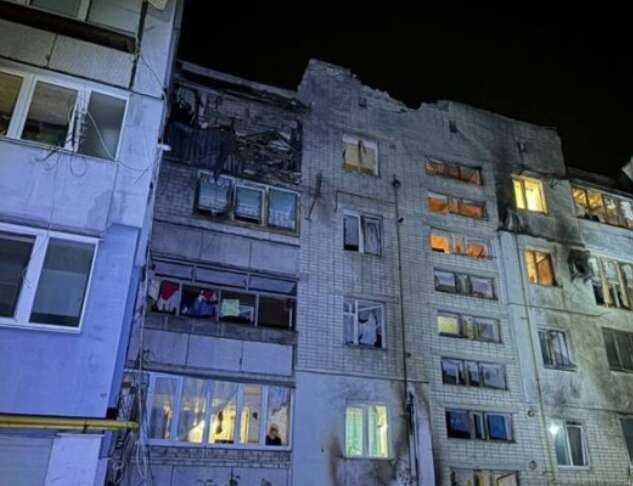
Drone hits residential building in Vasishcheve, five residents injured
Oleh Syniehubov reported on the aftermath of the attack on the settlement near Kharkiv: the roof of a five-storey building and private houses were damaged.
Oleh Syniehubov reported on the aftermath of the attack on the settlement near Kharkiv: the roof of a five-storey building and private houses were damaged.
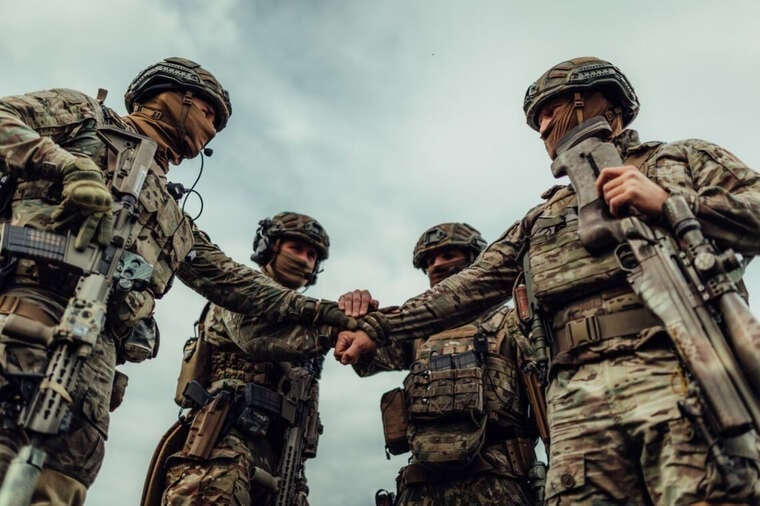
As of 22:00 on 1 November 2026, 191 combat clashes were recorded on the front lines. Russian troops carried out 30 attacks on the Pokrovsk direction.

The Ukrainian version of the US TV channel Newsmax, considered close to Donald Trump, is going on air. The start is scheduled for 9:00 am.

Vinnytsia Regional Military Administration reported the aftermath of the Russian strike: a 13-year-old girl and a woman were killed, six people were injured, including four children.
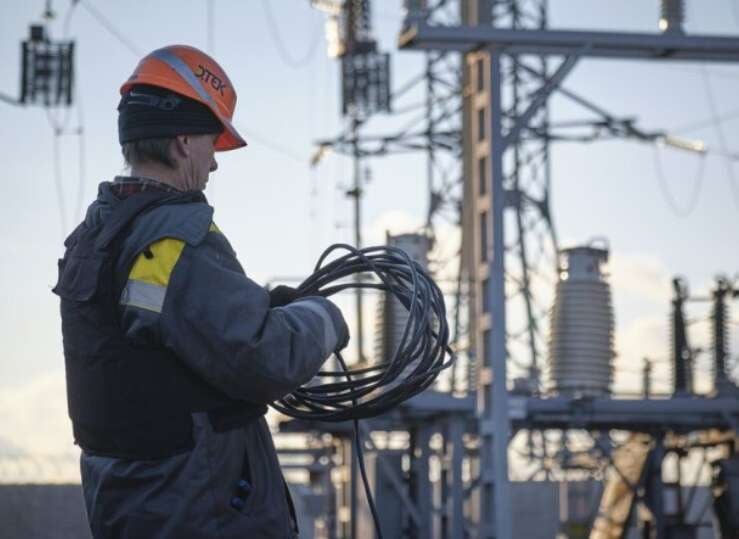
Power restoration continues in Pavlohrad district following disruptions caused by a night-time attack.
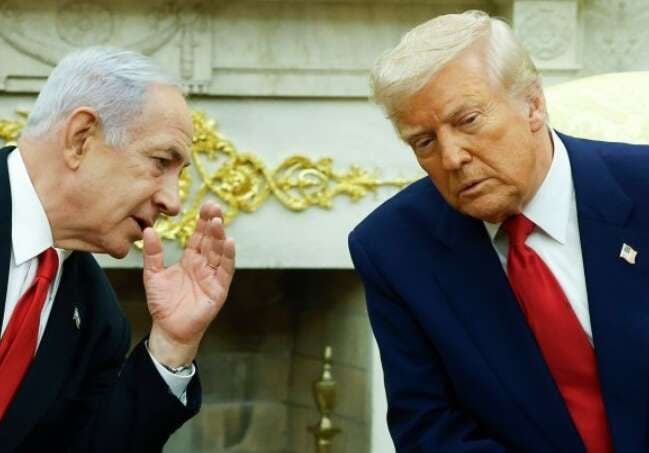
The US President and the Israeli Prime Minister held a phone call during which they discussed the state of peace negotiations with Tehran and the prospects of resuming combat operations after the elections in the US.
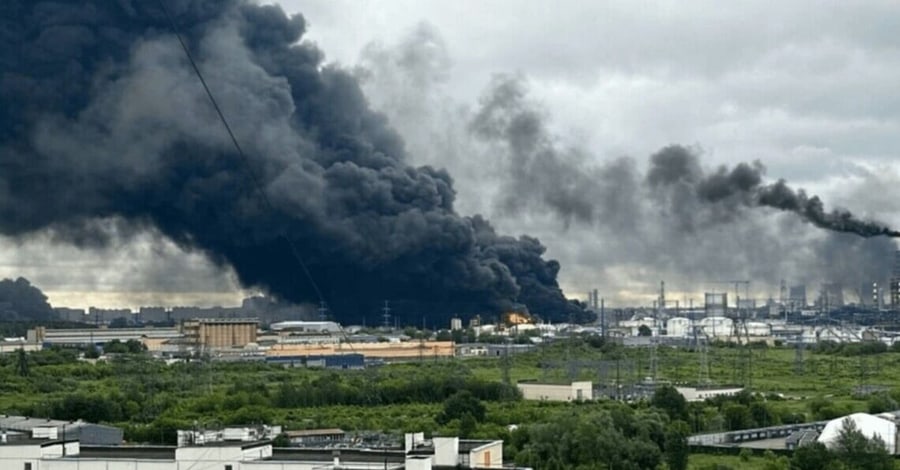
According to the Dnipro Osint OSINT project, the Kstovsky, Novokuybyshevsky plants and Bashneft-Novoil were hit over the past three days. Analysts believe this indicates the end of the pause in strikes on Russia's energy infrastructure.

The Disinformation Counteraction Centre debunked reports of a cholera and other disease epidemic threat in the capital, citing data from the city's prevention centre.
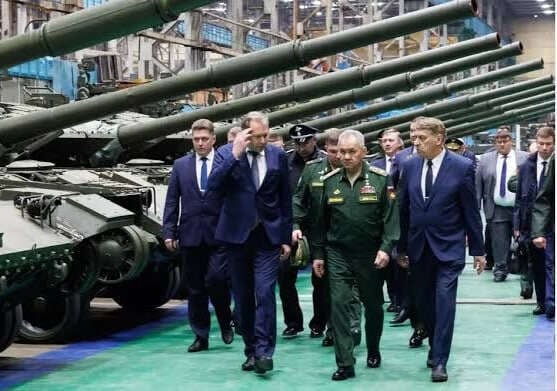
Changes in military-technological cooperation between Russia and China have taken on a clear trend: the Russian defence industry is increasingly relying on Chinese electronics and machine tools. Meanwhile, Beijing's interest in purchasing finished Russian weapons samples is gradually fading. At the same time, China continues to use Russian scientific personnel, specific technologies, and infrastructure for testing its own weapons. These conclusions are contained in a report by the US research group Center for Advanced Defense Studies (C4ADS), to the preparation of which "Systema" contributed.
Over the past decade, the balance of military-technological interaction between the two countries has significantly transformed. Previously, China was interested in purchasing Russian weapons, particularly for studying and copying technologies. Today the situation is different: Beijing needs finished Russian developments less and less.
Instead, the Russian military-industrial complex is increasingly relying on Chinese components and equipment. Meanwhile, China continues to purchase certain technologies from Russia related to submarines and missiles, as well as using Russian capabilities to test its own weapons.
Specialist training remains a separate area. Russia retains its appeal to China thanks to scientific and educational centres that cooperate with the military-industrial complex. Since 2022, one of the most popular areas of interaction has become unmanned aerial vehicle control systems, particularly those using artificial intelligence.
The material also mentions an employee of one of the departments at Bauman Moscow State Technical University, which actively cooperated with China. In 2024, he was shot dead in a forest in the Moscow suburbs. According to the data provided, he was one of the leading Russian specialists promoting the use of artificial intelligence for drone control. The murder, as stated in the report, may have involved Ukrainian military intelligence, but this version requires proper confirmation.
Overall, the C4ADS report indicates a change of roles in the military-technological partnership: China needs finished Russian weapons less and less, while the Russian defence industry becomes more dependent on Chinese technologies and equipment.
Comments
No comments yet. Be the first!