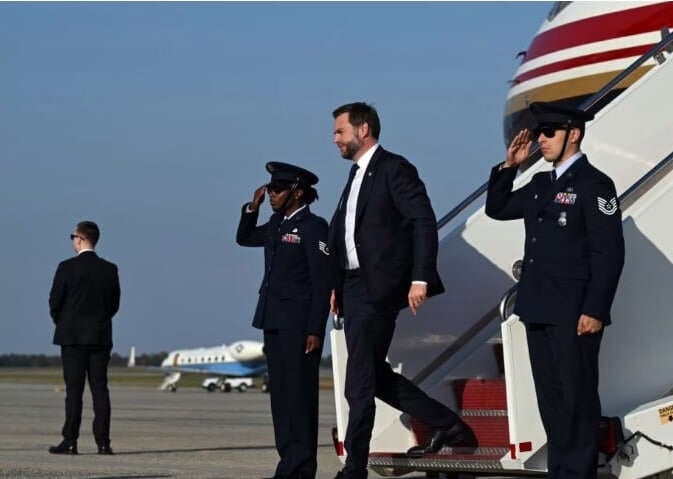
Vance sends letter from Trump to Iran proposing to resume dialogue
According to The Wall Street Journal, US Vice President JD Vance, on Donald Trump's instruction, contacted the head of Iran's security service, Mohsen Rezaei.
According to The Wall Street Journal, US Vice President JD Vance, on Donald Trump's instruction, contacted the head of Iran's security service, Mohsen Rezaei.

The city administration has completed practical drills on the emergency connection of base stations in nine districts. The next step will be Desnyanskyi district.
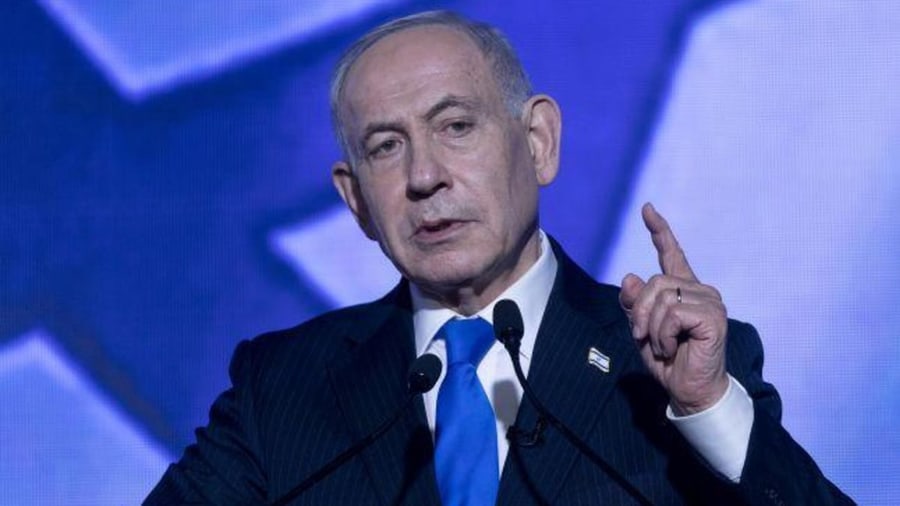
Vote counting is ongoing, and Likud's lead does not guarantee Netanyahu the formation of a coalition. Analysts are considering several scenarios for the development of events and their consequences for Ukraine.
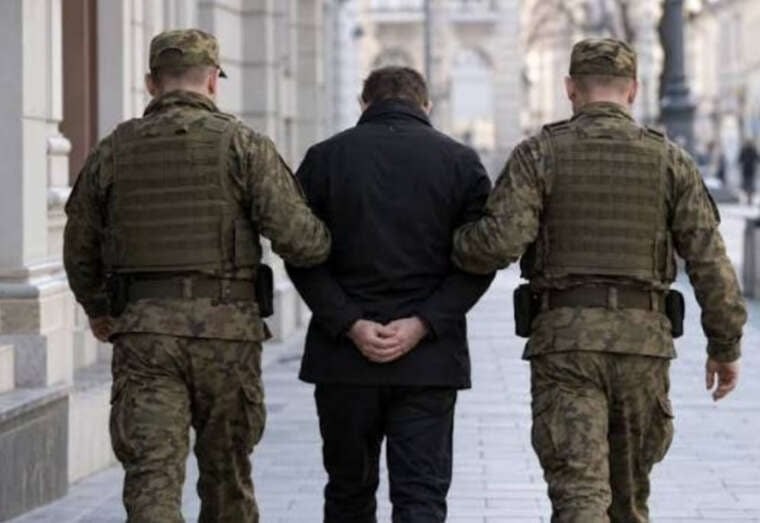
Polish law enforcement are holding a Ukrainian citizen suspected of arson at the premises of the Romanian defence company Romarm.
Deputy Minister of Justice explained under what conditions the property of citizens who do not pay for housing and communal services may be sold.

From the start of November 2026, updated rules for reserving staff, a new EU customs fee, and revised terms for inactive accounts at Oshchadbank are in effect in Ukraine.

The company presented a laptop featuring the first touchscreen in the MacBook line, weighing 1.3 kg and offering up to a day of battery life.

The Bulgarian Ministry of Defence reported an attack by three drones on a Liberian-flagged container ship in the Black Sea.
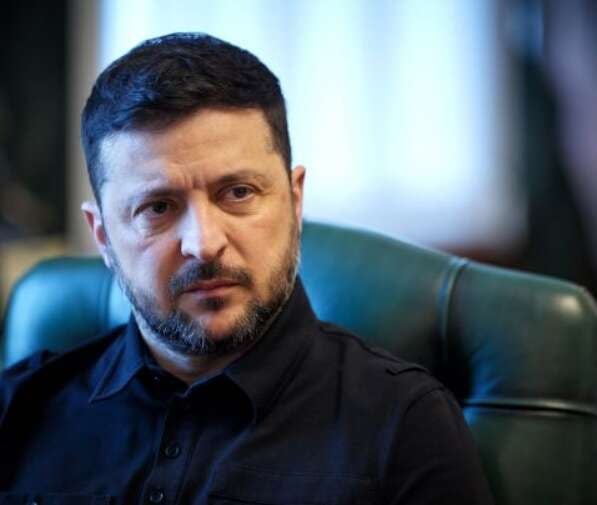
Ukrainian President Volodymyr Zelensky has publicly acknowledged for the first time that Russia will also have a need for security guarantees. However, the head of state emphasised a clear sequence of actions: such issues can only be raised after the war is over and reliable protection is provided to Ukraine. This was reported by the Financial Times.
In a conversation with journalists, Zelensky stressed that the main task remains stopping the war. According to him, ensuring Ukraine's security must be the first step.
«Спочатку нам потрібно вирішити питання цієї війни, і лише потім шукати відповіді на ті питання, які порушує Росія, виходячи зі своїх власних уявлень та очікувань у сфері безпеки» (First, we need to resolve the issue of this war, and only then look for answers to the questions raised by Russia, based on its own perceptions and expectations in the security sphere), the president noted.
The Ukrainian leader also emphasised the need to involve European partners in the negotiation process. He noted that if it comes to security guarantees that would require their involvement, Europe must be part of these discussions regarding the post-war settlement.
According to the Financial Times, the change in Kyiv's rhetoric is taking place against the backdrop of intensified US diplomatic initiatives aimed at bringing the parties back to the negotiating table. Previously, Ukraine and its Western allies had rejected Moscow's demands for a revision of the European security system and the provision of guarantees to it.
Comments
No comments yet. Be the first!