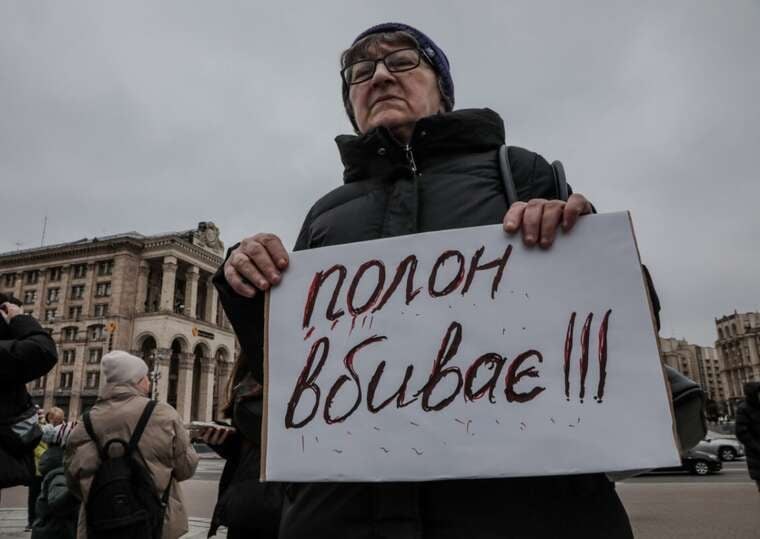
OPG investigates deaths of at least 241 Ukrainians in Russian captivity
Prosecutors have established at least 241 cases of Ukrainian deaths in captivity. The investigation is ongoing, with perpetrators sought under war crimes provisions.
Prosecutors have established at least 241 cases of Ukrainian deaths in captivity. The investigation is ongoing, with perpetrators sought under war crimes provisions.
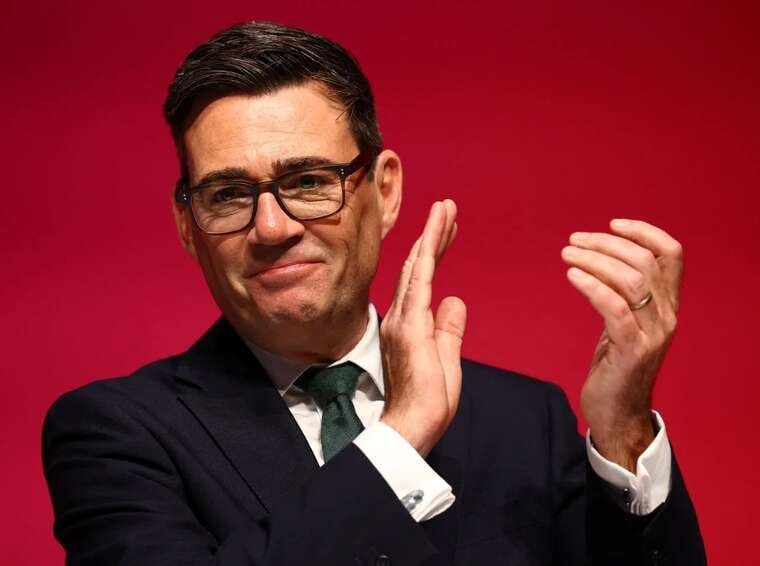
The UK Prime Minister plans to meet EU leaders to finalise negotiations initiated by Keir Starmer. The focus is on agreements regarding emissions trading, the agri-food sector, and youth mobility.
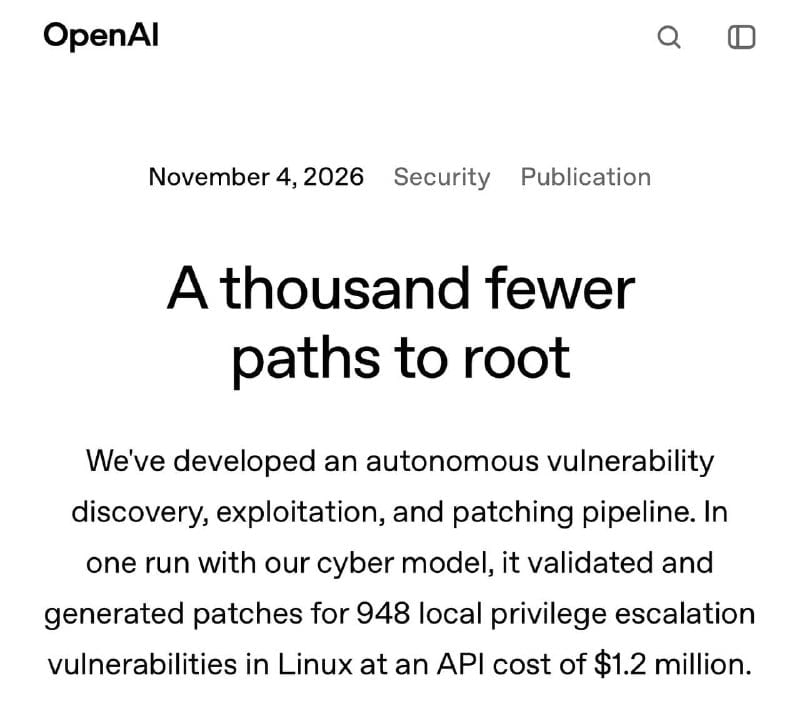
The company's AI agents discovered nearly a thousand exploits in system code, which would cost millions on the cybersecurity market.
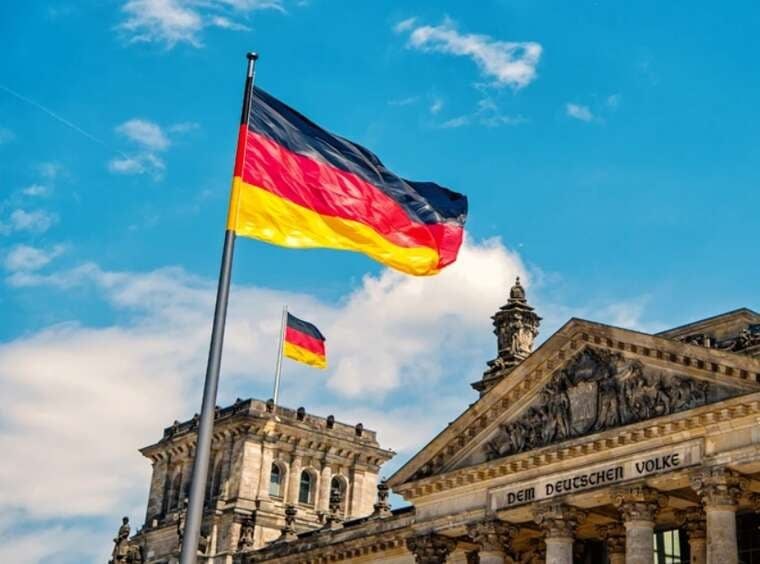
The German Ministry of Finance proposes directing a new tranche of funds towards the restoration of energy and water networks damaged by Russian strikes.
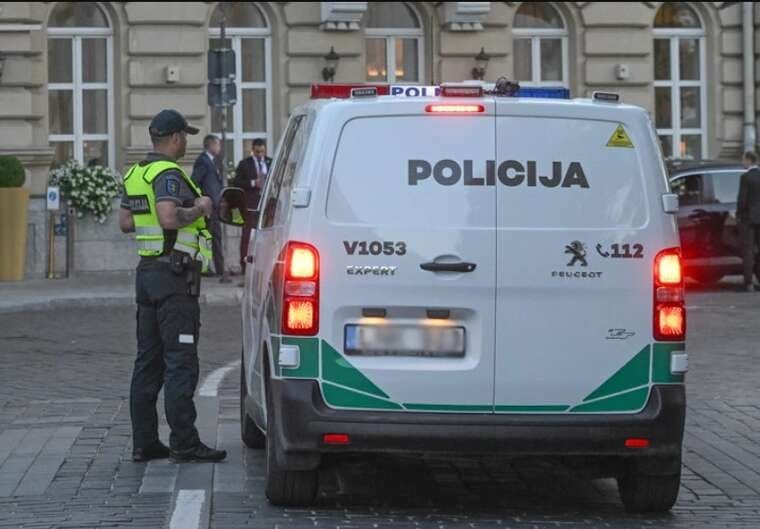
Slovak media report a fatal fight between two Ukrainian citizens in a Trenčín hotel. The victim died en route to a medical facility, while the attacker was taken into custody.
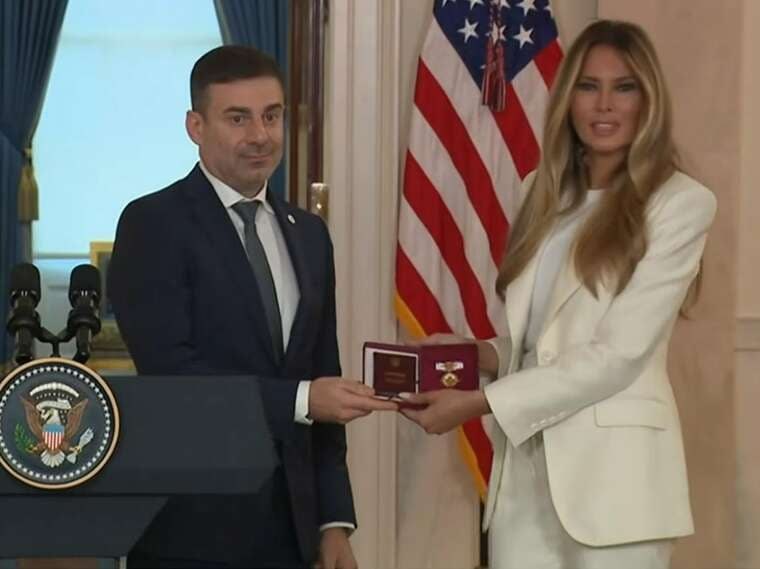
The First Lady of the United States, at a White House event, called the joint efforts of the leaders of Russia and Ukraine an important example for the region and conveyed personal messages to them.
The Economist warns of an existential threat to Ukraine due to a sharp population decline, where the mortality rate significantly exceeds the birth rate.
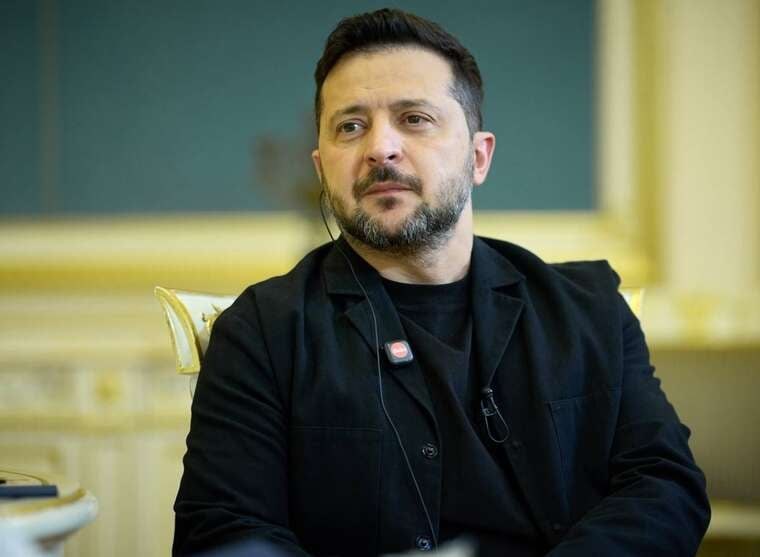
Ukrainian President Volodymyr Zelensky told the 30th Ibero-American Summit that Russia is involving children deported from Ukraine in combat operations and emphasised the importance of their return.
This month, UK Prime Minister Andy Burnham will visit Brussels with the aim of "resetting" the Brexit process. According to Politico, the outlines of a future agreement with the European Union are becoming increasingly clear two weeks later. The signing of several separate agreements and a joint statement is expected, the latter of which will, among other things, mention support for Ukraine.
Negotiations began during Keir Starmer's premiership. They envisage the conclusion of a new agreement in the agri-food sector, a mechanism for linking carbon emissions trading systems, and the establishment of new visa regimes for young people.
According to three sources familiar with the progress of the negotiations, draft texts of all three key agreements are largely completed and are undergoing the approval procedure in the EU. In addition to these documents, London and Brussels will agree on a joint statement covering other aspects of bilateral relations.
Negotiations between the UK and the EU lasted 18 months but were suspended for the summer following the fall of the Starmer government.
The agreement on emissions trading, according to the publication, was effectively completed a few weeks ago. Its signing will allow both sides to avoid mutual carbon border taxes (CBAM), reduce long-term market volatility, and open access to investments in the emissions sector.
Difficult points regarding the agri-food sector, known as the Sanitary and Phytosanitary (SPS) agreement, have also been clarified. The UK will agree to harmonise its rules with EU standards on pesticides, although transitional provisions will mitigate the consequences for farmers currently using substances subject to ban.
Youth mobility remains the most difficult issue. The EU supports the British initiative to limit the number of visas within the programme, although the exact figure (from 80,000 to 100,000) is still under discussion. It is also necessary to regulate the issue of the programme's reciprocity with all member states of the Union.
A later EU demand to reduce tuition fees for European students in the UK will be separated from the general youth mobility package. According to the draft statement prepared by the EU, this issue is to be considered after the summit.
The UK has long stated its openness to this idea, but only on the condition of guarantees that British business will not suffer from the EU's "Made in Europe" programme. London is trying to protect its companies from the consequences of the Union's protectionist policy.
The EU notes that at the current stage it cannot provide such guarantees, as the relevant legislation is still being finalised. The British side does not want to invest hundreds of millions of pounds without compensation for these costs.
These issues will be acknowledged in the planned joint statement at the summit, but will not be resolved immediately.
The draft joint statement notes that both sides "will work on" an agreement on tuition fees for EU students at domestic rates, with the aim of concluding it within the next six months.
The draft document dedicated to the "Made in Europe" programme states that both sides "commit, on the basis of reciprocity, to seeking, where possible, to limit the negative impact on each other of measures relating to specific supply chains, if this is in their mutual interests". It also contains a call for the UK to adopt some EU policies. Whether London is satisfied with this, time will tell, the publication notes.
The EU expects "joint and timely entry into force" of the three main agreements, emphasising that they form a single package. Union diplomats previously stressed that negotiations on the tuition fee must be successfully concluded before the rest of the package enters into force.
The joint statement is a universal document that allows discussing issues without requiring the conclusion of new international treaties. It may contain commitments to implementing new measures within the framework of the existing Security and Defense Partnership. For example, the Brussels draft proposes an "immediate" start to dialogue on economic security issues.
The document also states that both sides will support Ukraine "for as long as necessary", and condemns the humanitarian situation in Gaza and the West Bank.
In addition, the EU draft contains a demand for the UK to halve the "early removal and deportation of foreign nationals who have committed offences from the UK to EU member states". This policy causes concern in some EU capitals.
In September, Andy Burnham told his party that he wants to use this meeting as a stepping stone to define "options" for the future relations between the UK and the EU, with possible reunification also not ruled out.
"It is unlikely that this will happen directly at the summit; instead, a relevant statement is expected around the same time," Politico notes.
Comments
No comments yet. Be the first!