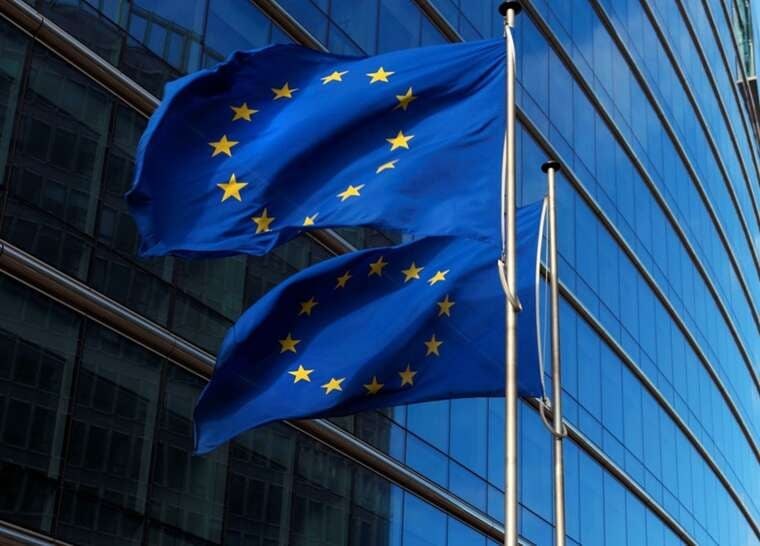
European capitals have consistently rejected Moscow's proposals to review the continent's security architecture as part of peace negotiations. This position formed after a series of diplomatic meetings, including a visit by US special envoys to Russia.
Diplomatic deadlock and positions of the parties
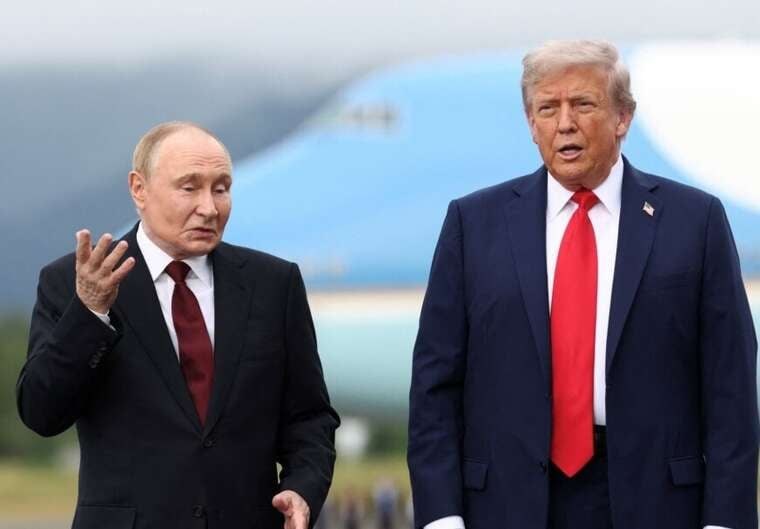
On Thursday, special representatives of the US President, Steve Witkoff and Jared Kushner, held a meeting in Moscow with Russian dictator Vladimir Putin. This event took place after peace negotiations regarding the cessation of the Russian Federation's war against Ukraine in Abu Dhabi earlier in the week. At that time, the Russian delegation raised the issue of European security but refused to engage with European representatives.
As noted by the Financial Times, Russia has repeatedly stated that the continent's security mechanisms need to be reviewed. This entails banning further NATO expansion, conducting military exercises near the Russian border, and withdrawing troops and military equipment from the Alliance's eastern flank.
Kremlin demands and Washington's reaction
Vladimir Putin emphasised that Moscow's proposals for a new security architecture must be discussed before an agreement on ending the war is reached.
"What do we hear from the Europeans? No, only after peace is established in Ukraine. But they plan to send troops there after peace is established in Ukraine. This means the continuation of the war," Putin said.
Kushner and Witkoff conveyed the US position to Putin: Washington supports the participation of Europeans in future peace negotiations with Russia and has already begun consultations with allies in Europe regarding the continent's security architecture. A source familiar with the course of the meeting in Abu Dhabi confirmed that this topic was indeed discussed.
European leaders against trading security for negotiations
In a number of European capitals, such demands are perceived as an attempt by the Kremlin to regain its sphere of influence and undermine the sovereignty of EU and NATO member states. Three officials told the FT that European capitals are increasingly concerned that the willingness to discuss broader issues of continental defence and security will become the price for allowing Europe to participate in negotiations on Ukraine.
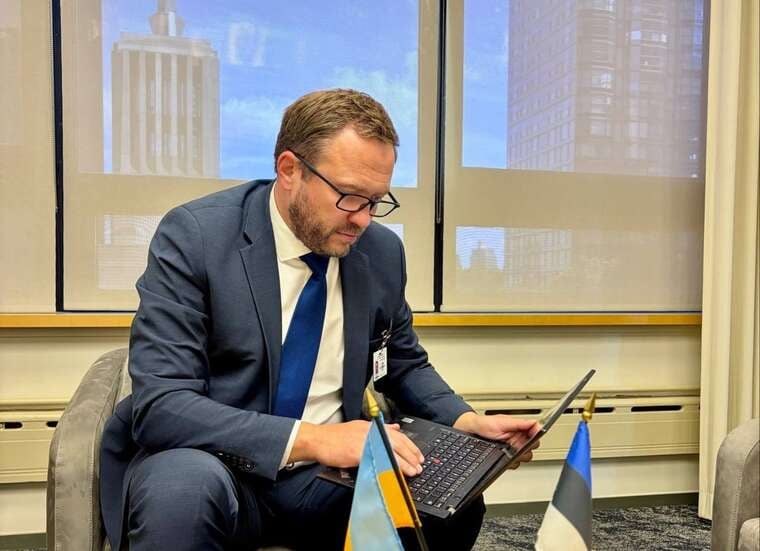
Estonian Prime Minister Kristen Michal believes that Europe has been led into a "trap" by discussing the continent's security architecture in exchange for participation in negotiations, and that Putin has for years sought to have a say on the sovereignty of NATO states.
EU chief diplomat Kaja Kallas stated that Europe must be ready to begin negotiations on the continent's security architecture only after Russia agrees to a peace deal.
"Currently, the focus on European security architecture is effectively diverting attention from what it should actually be focused on, namely a ceasefire that will stop the killings in Ukraine," she said.
European Council President António Costa noted that there is no need to reinvent the wheel, as Europe had an effective European security architecture until it was first gradually undermined and ultimately destroyed as a result of the Russian invasion of Ukraine.
He also emphasised that the issue of European security cannot be discussed without a European voice at the negotiating table.
"This European voice must be the result of the joint efforts of European countries, the European Union and NATO," Costa added.
Russia's chief negotiator Vladimir Medinsky stated that Russia seeks to create a "new comprehensive system of European security that will become a new Yalta and Potsdam," replacing the world order established after the Second World War.

Comments
No comments yet. Be the first!