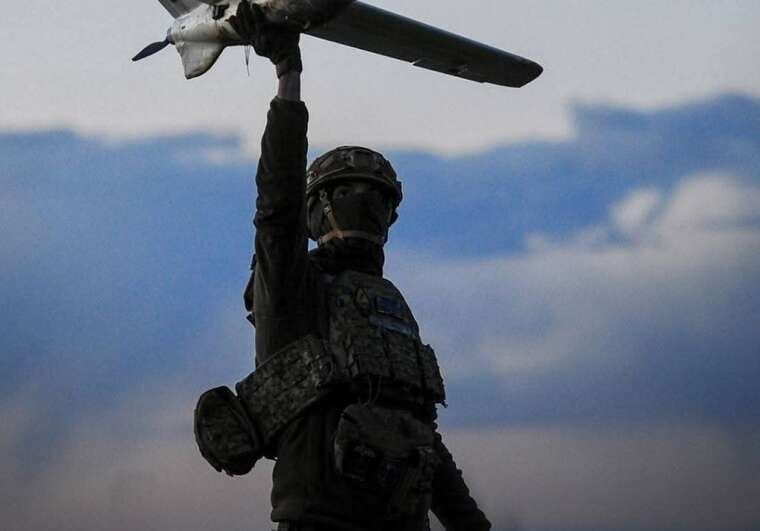
Attack on AVISMA in Berezniki: Strike on Russia's largest titanium sponge producer
Defence forces hit a chemical and metallurgical plant in Perm Krai. The facility supplies titanium for Russian aviation and rocketry.
Defence forces hit a chemical and metallurgical plant in Perm Krai. The facility supplies titanium for Russian aviation and rocketry.

The Ukrainian Ombudsman explained that after a ceasefire is established and the road to Oleshky is demined, residents will be offered a choice of evacuation direction, with the US monitoring compliance with the agreement.
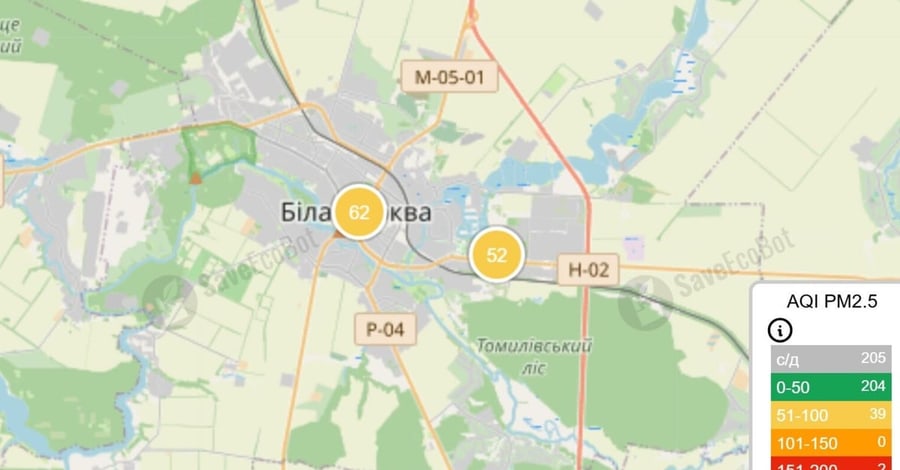
On 25 October, automatic stations recorded a temporary exceedance of fine dust standards in two cities in Kyiv Oblast. Experts explain the causes and advise on how to protect health.
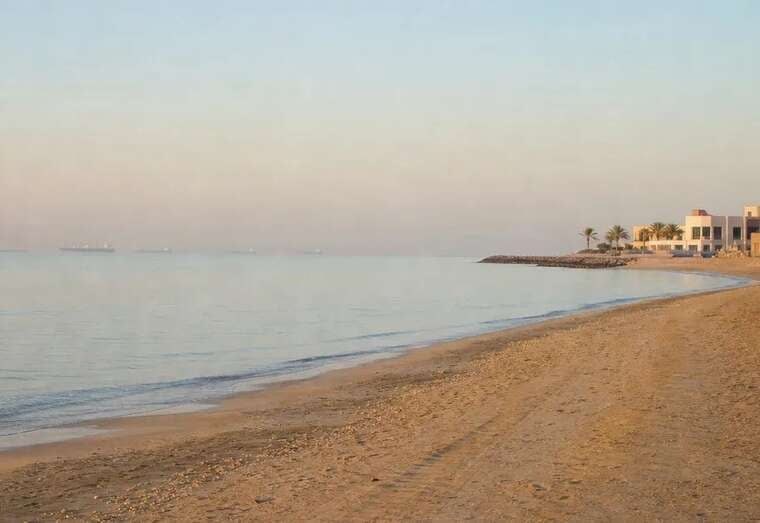
Authorities in Ras Al Khaimah, Umm Al Quwain and Sharjah restricted access to the coastline following an incident involving an oil tanker in the Persian Gulf.
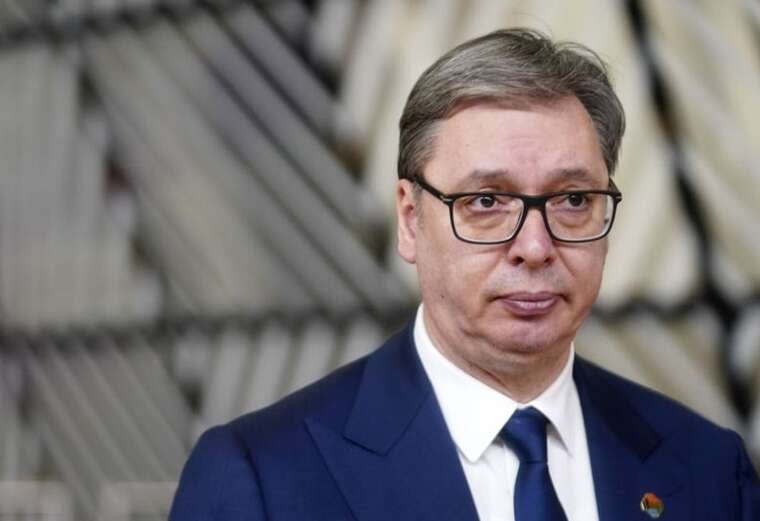
Voting is taking place in Serbia on Sunday in snap parliamentary elections, which are seen as a confrontation between former President Aleksandar Vucic and the student movement.
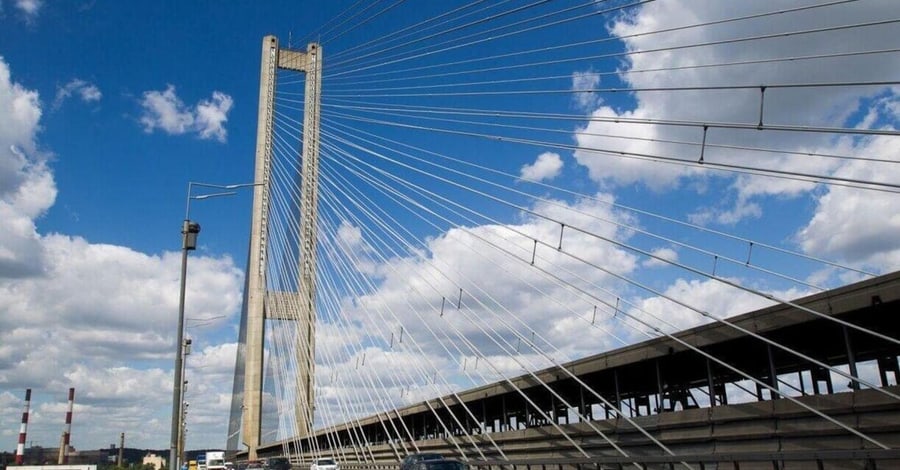
The capital's Defence Council has decided to partially restrict traffic on the Southern Bridge in the direction from the right bank to the left bank.
The Halychtskyi District Court of Lviv found the driver guilty of customs rule violations for importing a large batch of food. Property with an estimated value of 67,000 hryvnias was seized for the state.
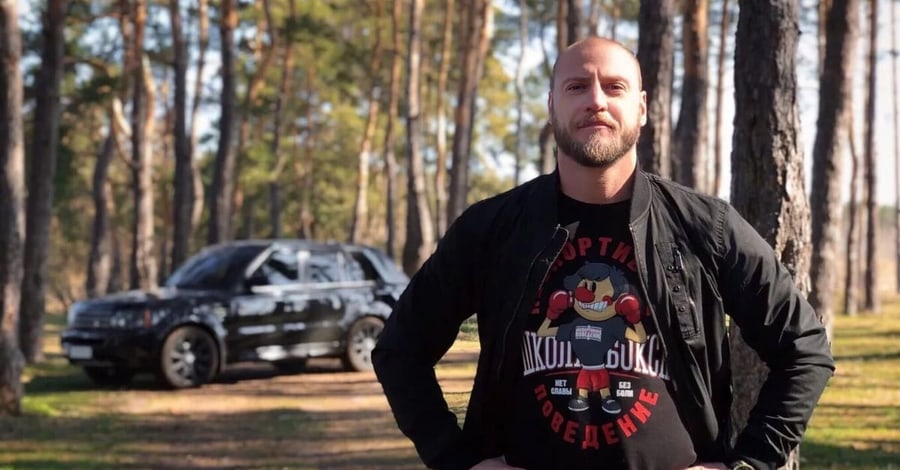
41-year-old Mikhail Nits, known as Misha Mavashi, died as a result of an accident. The Vinnytsia court sentenced him in absentia to imprisonment for collecting funds for Russian military personnel.
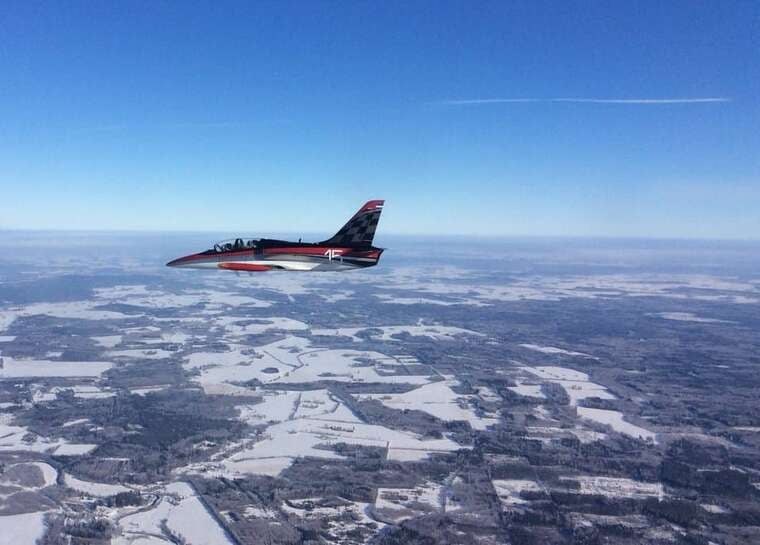
The Estonian government is actively considering the possibility of acquiring its own combat aircraft. This initiative aims to complement the existing air defence system and provide the country with the capability to independently respond to certain aerial threats. This is reported by ERR.
According to Defence Minister Martin Herem, the development of such capabilities is possible within the next four years. The head of the defence ministry voiced the idea of purchasing light fighters after a visit to Ukraine. He emphasised that such aircraft could become a relatively budget-friendly tool for countering Russian strike unmanned aerial vehicles, particularly those equipped with jet engines.
Martin Herem highlighted the growing threat from Russian UAVs: “Ми вже тривалий час спостерігаємо, як Росія дедалі частіше масово використовує реактивні дрони. І збити їх іншими дронами чи іншими засобами ППО не вдається. Україна збиває їх винищувачами F-16, але для нас це занадто дорого” (We have been observing for a long time how Russia is increasingly using jet-powered drones on a mass scale. And it is not possible to shoot them down with other drones or other air defence means. Ukraine shoots them down with F-16 fighters, but for us this is too expensive).
Among the potential candidates for the supplier role are aircraft of Czech production. Estonia already operates two L-39 family trainer aircraft, but they lack the necessary armament for fighting unmanned aerial vehicles. A more modern model, the L-159, is also produced in the Czech Republic, costing approximately 10 million euros per unit.
Former Commander of the Estonian Air Force Vello Loema explained why light fighters might be appropriate: “Невеликий винищувач цілком доречний для певних завдань. Справа в тому, що швидкісному винищувачу непросто вражати цілі, що летять відносно повільно. Це дійсно так. Другий момент – вартість, яка також відіграє свою роль” (A small fighter is quite appropriate for certain tasks. The point is that it is not easy for a high-speed fighter to hit targets flying relatively slowly. That is indeed the case. The second point is the cost, which also plays its role).
The military expert estimates that training pilots who already have experience operating similar aircraft could take about a year or even less, depending on their qualifications. If training starts from scratch, this process would last approximately two years.
Implementing the plan involves creating the necessary infrastructure, organising technical maintenance, and preparing personnel. A joint purchase of aircraft by the Baltic states is being considered as a possible solution.
Martin Herem called for not delaying decisions in the field of air defence: “Наважуся стверджувати, що немає жодного сенсу зволікати з рішеннями щодо питань протиповітряної оборони. Якщо ми дійсно хочемо розвивати ці можливості, рішення слід ухвалювати під час затвердження нашого чотирирічного плану. А це має відбутися ще протягом цього року” (I dare to assert that there is no point in delaying decisions on air defence issues. If we really want to develop these capabilities, decisions should be made during the approval of our four-year plan. And this must happen still within this year).
Currently, there is no final decision on the purchase, as a detailed analysis has not yet been conducted. Neither the specific type of aircraft, nor their cost, nor the exact quantity has been determined. It is worth noting that the Baltic states currently do not have their own fleet of combat aircraft, so the patrolling of their airspace is carried out by the aviation forces of NATO member states on a rotational basis.
Comments
No comments yet. Be the first!